
Lieferung heute & morgen

Qualitätsgarantie

Willkommens-Angebote freischalten: KOSTENLOSE Lieferung | Bis zu 80 % RABATT | Kostenlose 30-Tage-JoyPlus-Testphase
App herunterladen
The market for non-alcoholic drinks is booming, and the sheer number of options can be overwhelming. While many products promise full-bodied flavour without the alcohol, not all deliver. If you're searching for a high-quality alternative, it's challenging to find options that are more than just sugary sodas. This guide will help you navigate the common pitfalls and make an informed choice.
Before making a decision, you should be aware of two widespread issues that often lead to disappointment:
To ensure you get a product that meets your expectations, you should focus on three core parameters.
The quality of a non-alcoholic alternative depends heavily on how it's made. There are two primary methods:
A quick look at the label is essential. A short, easy-to-understand ingredient list is usually a good sign. Pay attention to the following:
The variety of drinks without alcohol is vast. Consider what you need the alternative for:
Here are some recommendations tailored to different needs and flavour profiles.
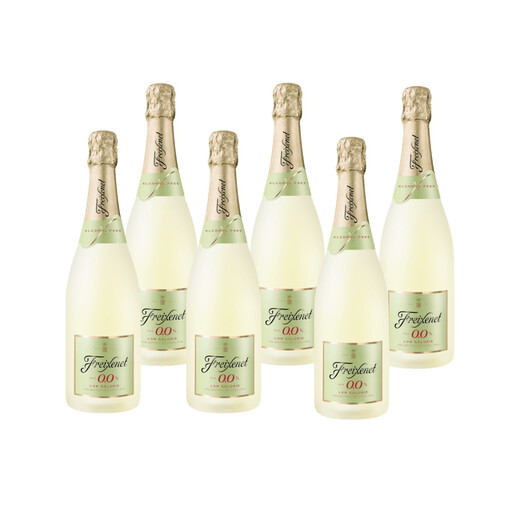
Why This Fits Their Persona: Ideal for parties and social gatherings. As a well-known brand, Freixenet offers a reliable and accessible option that allows all guests to join the toast without feeling left out.
It's based on de-alcoholised wine, which helps it retain a wine-like structure and avoid tasting like a sweet soda. The flavour is fruity and fresh, yet balanced.
A harmonious flavour profile with notes of exotic fruits and vanilla. The fine perlage creates an authentic sparkling wine experience.
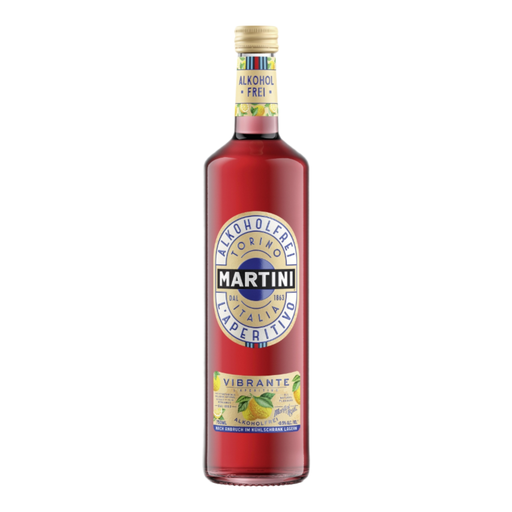
Why This Fits Their Persona: For those seeking a complex, sophisticated flavour reminiscent of a classic Italian aperitivo. Perfect for enjoying before a meal or as a base for elevated drinks.
Instead of relying on sweetness, Martini focuses on a balanced blend of citrus notes and a subtle bitterness. The de-alcoholised wine base provides depth and complexity.
Complex flavour profile derived from natural flavourings and botanical extracts. Versatile enough to be enjoyed neat over ice with an orange slice or mixed with tonic water.
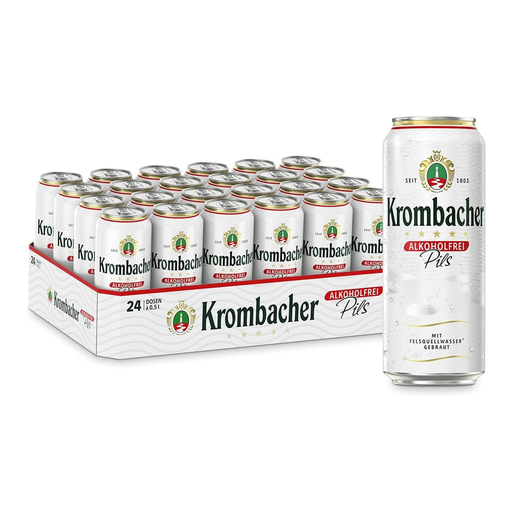
Why This Fits Their Persona: For anyone who appreciates the classic, crisp taste of a German pilsner and refuses to compromise on flavour. A reliable choice for unwinding after work or post-workout.
Post-fermentation de-alcoholisation prevents the slightly sweet "wort flavour" common in many non-alcoholic beers. It tastes like a genuine pilsner.
A clean, refreshing profile with a mild bitterness. Its isotonic properties make it a suitable beverage for after physical activity.
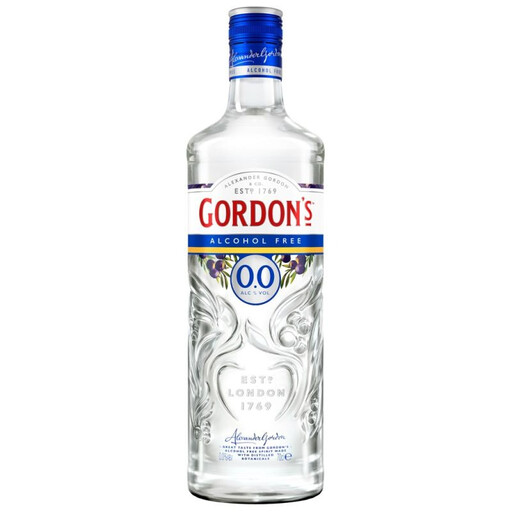
Why This Fits Their Persona: The perfect base for anyone who wants to mix their favourite gin cocktails without the alcohol. It allows for the creation of an authentic-tasting Gin & Tonic or other mixed drinks.
This product isn't just a flavoured liquid; it's made with the same botanicals as the original gin. The focus on juniper delivers that characteristic gin flavour.
Guaranteed 0.0% alcohol. The complex notes of juniper, coriander, and citrus make it a versatile foundation for a wide range of non-alcoholic cocktails.
We have compiled a complete, up-to-date list of products that fully meet these strict selection criteria and German regulations.
In Germany, beverages can be labelled "alcohol-free" ("alkoholfrei") if they contain a maximum of 0.5% alcohol by volume (ABV). This small amount of residual alcohol often occurs naturally during production or is not completely removed during de-alcoholisation. Products that are guaranteed to contain no alcohol are labelled "0.0% alcohol."
Due to the potential residual alcohol content of up to 0.5% in products labelled "alcohol-free," pregnant women are often advised to stick exclusively to products with a "0.0%" label to be safe. It's worth noting that some foods, like ripe bananas or sauerkraut, can also contain trace amounts of alcohol. When in doubt, it is always best to consult a medical professional.
The most common and gentle method is vacuum distillation. In this process, the beverage is gently heated in a vacuum. Because the boiling point of alcohol is significantly lower under a vacuum (around 28–30 °C), it can evaporate without the high temperatures that would destroy delicate flavour aromas. Other methods include reverse osmosis, where alcohol is filtered out through a fine membrane.