
Lieferung heute & morgen

Qualitätsgarantie

Willkommens-Angebote freischalten: KOSTENLOSE Lieferung | Bis zu 80 % RABATT | Kostenlose 30-Tage-JoyPlus-Testphase
App herunterladen
The market for non-alcoholic beverages is steadily growing, and the selection is becoming more diverse than ever. For consumers who mindfully abstain from alcohol—whether for health reasons, as designated drivers, or as part of a mindful lifestyle—this is a welcome development. However, the vast selection also has its pitfalls. Not every bottle marketed as a premium alternative delivers on its promise. This guide will help you avoid common purchasing mistakes and find products that meet your standards for taste and quality.
Before you buy alcohol-free alternatives, you should be aware of the typical marketing promises and product shortcomings that often lead to disappointment.
To make an informed purchasing decision, you should check three key parameters. These provide insight into the true quality of a non-alcoholic beverage.
The quality of an alcohol-free alternative depends heavily on the dealcoholisation process. Particularly gentle methods like vacuum distillation make it possible to remove alcohol at low temperatures. The advantage is that the volatile and delicate aromas of the original beverage—be it wine, beer, or a spirit—are largely preserved. Products made using this method typically offer a more complex and authentic taste experience.
A short and clear ingredient list is often an indicator of a high-quality product. Pay attention to the following points:
As mentioned, the distinction between "alcohol-free" (< 0.5% ABV) and "0.0% alcohol" is crucial. Choose consciously based on your personal requirements. For festive occasions where absolute freedom from alcohol must be guaranteed for all guests, products with the 0.0% label are the safe choice. This is especially true for non-alcoholic beer and, increasingly, for mocktails and spirit alternatives.
To help you navigate the options, we have selected a few products based on different user profiles.
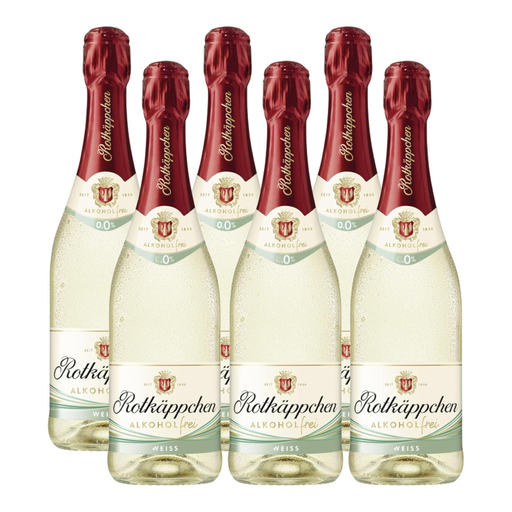
Why This Fits Their Persona: Ideal for hosts who want to offer all guests a festive and familiar option for toasting. Rotk?ppchen is an established brand in Germany that stands for reliable quality and guarantees a straightforward, sparkling experience.
This product is based on a cuvée of dealcoholized wines, thus avoiding the impression of being just grape juice. It offers a balanced, fruity flavour profile that isn't overly sweet.
Delivers the typical sparkling wine experience with a fine effervescence. The gentle dealcoholisation process preserves the fruity character of the base wines.
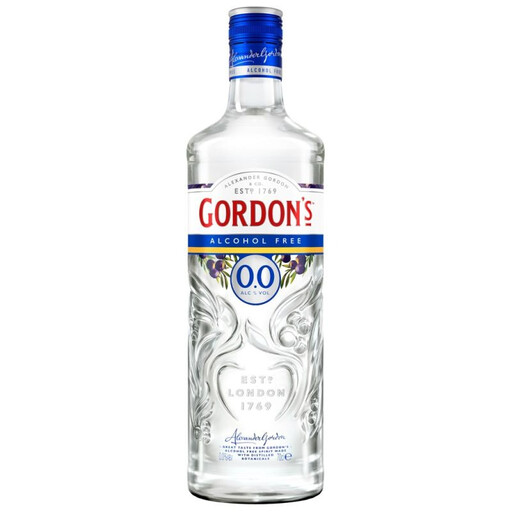
Why This Fits Their Persona: Perfect for lovers of the classic Gin & Tonic who appreciate the taste of juniper and botanicals but want to skip the alcohol. This non-alcoholic gin alternative serves as an excellent base for a variety of mocktails.
This product bypasses the flavouring trap by being made with the same botanicals as the original gin. The result is a complex flavour profile with notes of juniper and citrus, not just a flavoured water.
Guarantees 0.0% alcohol and provides an authentic flavour base for classic long drinks. Versatile and produced by a well-known brand.
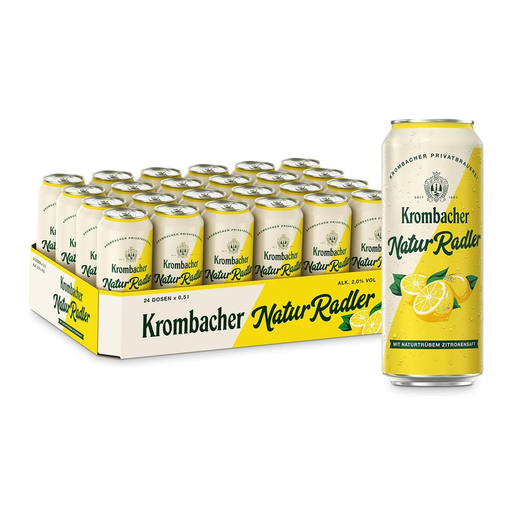
Why This Fits Their Persona: A straightforward and refreshing choice for daily enjoyment, whether after sports, with lunch, or on a warm afternoon. The Radler (shandy) is a popular category in Germany, and this 0.0% version is a safe bet.
The clear 0.0% alcohol labelling completely avoids the residual alcohol trap. The taste is refreshingly citrusy and not overly sweetened, making it a balanced alternative.
Combines the taste of non-alcoholic beer with natural lemon soda. The bulk pack offers great value for regular consumption.
The market for non-alcoholic spirit alternatives is growing rapidly. We've curated a comprehensive selection of products that offer sophisticated flavour profiles for your mocktails and long drinks.
In Germany, beverages labelled "alcohol-free" may contain a residual alcohol content of up to 0.5% by volume. This is a legally defined limit. In contrast, the "0.0% alcohol" label guarantees that there is no measurable alcohol in the product. This distinction is particularly important for individuals who must completely avoid alcohol for health or personal reasons.
There are several methods for dealcoholizing wine. One of the most common and gentle is vacuum distillation. This process involves heating the wine under a vacuum, which lowers the boiling point of alcohol to below 30°C (86°F). This allows the alcohol to evaporate while preserving most of the delicate wine aromas. For sparkling wine, carbon dioxide is then added to the dealcoholized wine to create the typical effervescence.
Opened non-alcoholic wine and non-alcoholic sparkling wine, just like their alcoholic counterparts, should be stored in the refrigerator. Use a suitable bottle stopper to preserve freshness and, in the case of sparkling wine, the carbonation. As a rule, the products should be consumed within 2-3 days of opening, as they can lose flavour through contact with oxygen. Always follow the storage instructions on the manufacturer's label.