
Lieferung heute & morgen

Qualitätsgarantie

Willkommens-Angebote freischalten: KOSTENLOSE Lieferung | Bis zu 80 % RABATT | Kostenlose 30-Tage-JoyPlus-Testphase
App herunterladen
The desire to enjoy the full flavour of a good wine without the effects of alcohol is becoming increasingly common. Whether for health reasons, as a designated driver, during pregnancy, or as part of the "Sober Curious" movement, the demand for high-quality non-alcoholic wine is steadily rising. However, the differences in quality are significant. This buying guide will help you identify the characteristics of a good wine without alcohol and introduce you to a selection of proven products.
To make an informed decision, some basic knowledge about production and ingredients is helpful. The following points serve as a guide.
The quality of a non-alcoholic wine depends heavily on how the alcohol is removed. High-quality products are first vinified as traditional wine. Only in a second step is the alcohol gently removed. An established method is the Spinning Cone Column. In this process, the wine is separated into its components at low pressure and low temperature, the alcohol is specifically removed, and the valuable aromatic compounds are then added back. This procedure largely preserves the original bouquet and character of the wine. Simpler methods, such as stopping fermentation, often lead to a grape juice-like and less complex taste.
Alcohol is a key flavour carrier and gives wine its body. To compensate for its absence, residual sugar is added to some non-alcoholic wines. It's therefore worth taking a look at the label, especially if you are looking for a low-calorie wine. A major advantage of wine without alcohol is its significantly lower calorie content. While a glass of conventional wine (150 ml) often contains over 100 kcal, many non-alcoholic versions have only 20 to 40 kcal per glass. Pay attention to the carbohydrate and sugar information per 100 ml to make a choice that suits you.
Just as with traditional wine, the grape variety and region of origin also determine the fundamental character of the non-alcoholic version. A non-alcoholic red wine made from Syrah and Garnacha grapes will have different flavour notes than a crisp non-alcoholic sparkling wine from Muscat grapes. Brands like Torres Natureo rely on well-known grape varieties from established wine-growing regions like Catalonia to create a solid base for their dealcoholized wines.
Based on the criteria mentioned above, we have compiled a selection of products that impress with their production method and flavour profile.
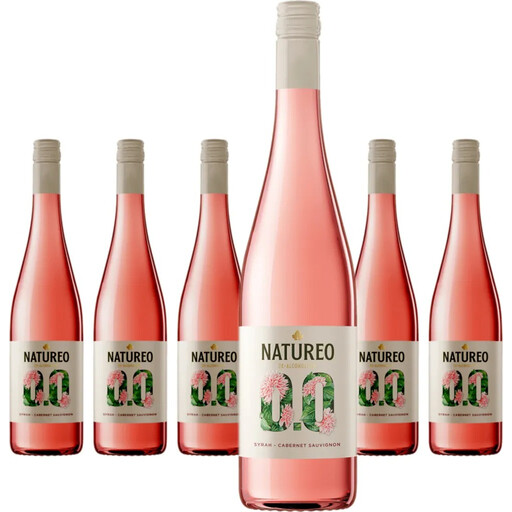
Why it stands out: This non-alcoholic rosé is vinified using traditional methods and then dealcoholized using the gentle Spinning Cone Column process. This preserves its fruity and fresh aroma profile, reminiscent of cherries, strawberries, and raspberries.
Benefits:
Best for: Those looking for a light, fruity rosé for warm days, as an aperitif, or to accompany light dishes like salads and poultry.
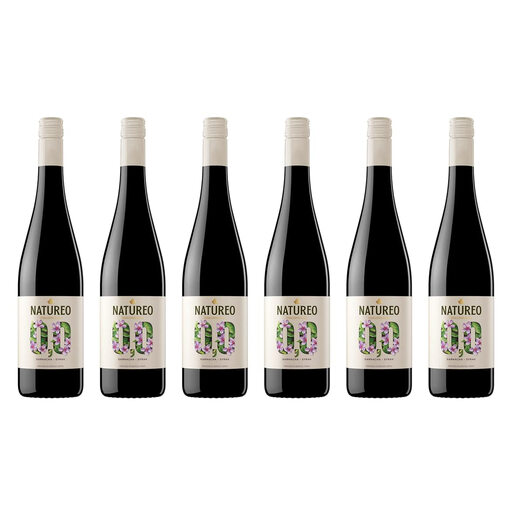
Why it stands out: As a blend of Garnacha and Syrah grapes, this non-alcoholic red wine captures the character of a classic Spanish red. It presents itself with soft tannins and intense aromas of ripe red fruits.
Benefits:
Best for: Red wine lovers who want to buy an alternative for Mediterranean dishes, beef, hard cheese, or simply to enjoy on its own.
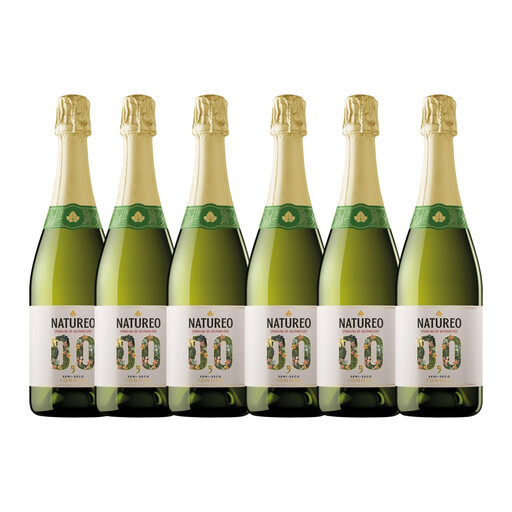
Why it stands out: This crisp, aromatic non-alcoholic sparkling wine is made from 100% Muscat grapes. Its lively perlage and exotic bouquet of tropical fruits make it an excellent choice for festive occasions.
Benefits:
The world of wine is diverse, and the same is true for its non-alcoholic counterparts. If you want to discover more styles, grape varieties, or brands that focus on quality and authentic taste, you can find a wider selection in our category.
Discover our entire range of natural wines.
The labelling is crucial here. According to EU legislation, beverages declared "alcohol-free" may contain a residual alcohol content of up to 0.5% Vol. This is comparable to the alcohol content in some fruit juices or ripe bananas. However, products explicitly labelled as 0.0 wine or 0.0% Vol., like the Natureo wines featured, contain no measurable residual alcohol.
Products labelled 0.0% Vol. contain no residual alcohol and are therefore often considered as a wine for pregnant women. Nevertheless, this is a very personal decision. For health questions or uncertainties during pregnancy and breastfeeding, it is always recommended to discuss the suitability of food and drinks with a doctor or midwife.
The calorie content is one of the biggest differences. Since alcohol is very energy-dense at about 7 kcal per gram, its absence leads to a significant reduction in total calories. A non-alcoholic wine is therefore almost always a low-calorie wine. While a glass of conventional wine (150 ml) often contains 100–130 kcal, the value for many non-alcoholic alternatives is only 20–40 kcal for the same amount.