
Lieferung heute & morgen

Qualitätsgarantie

Willkommens-Angebote freischalten: KOSTENLOSE Lieferung | Bis zu 80 % RABATT | Kostenlose 30-Tage-JoyPlus-Testphase
App herunterladen
A high-quality glass oil bottle is more than just a container; it's an indispensable tool for a clean, organised, and efficient kitchen. Yet, the search for the right model can be frustrating. Many home cooks know the problem: you invest in a supposedly practical oil dispenser, only to find that it drips, the cap gets stuck, or the bottle is constantly coated in an oily film.
As your Joybuy Product Recommendation Officer, I'll help you navigate the common pitfalls. Instead of falling for exaggerated marketing claims, we'll focus on the crucial features that truly define a great oil bottle.
Before you make a decision, you should be aware of the most common flaws that cause problems in many models available on the market.
To avoid a bad purchase, you should focus on three core technical features. These determine the durability, cleanliness, and functionality of your oil dispenser.
The spout is the most critical component of an oil bottle with a pourer. A well-engineered mechanism ensures precise dispensing and prevents dripping.
For a glass bottle for oil, the type of glass is crucial. While conventional soda-lime glass is common, borosilicate glass offers significant advantages:
A practical oil dispenser for the kitchen must be easy to use.
Here are some recommendations tailored to different needs and kitchen habits.
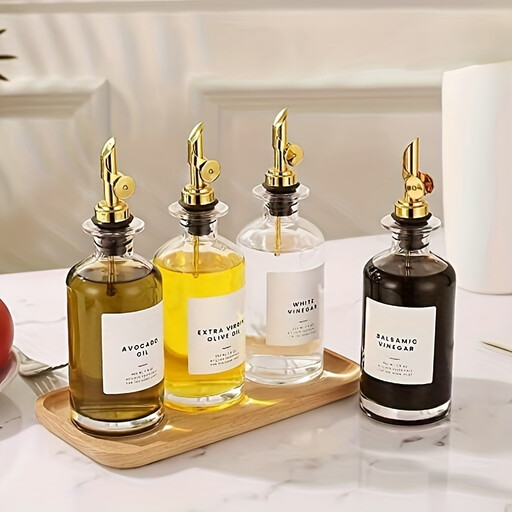
Why this product is a good fit: Ideal for anyone looking for a straightforward and functional solution for daily use. This set allows you to store oil and vinegar uniformly and within easy reach, without any fuss.
The set relies on a proven, simple spout mechanism that is less prone to complex defects. It focuses on the core function: clean pouring.
Comes as an oil bottle set, perfect for uniform organisation as a vinegar and oil dispenser. Good value for money for a basic setup.
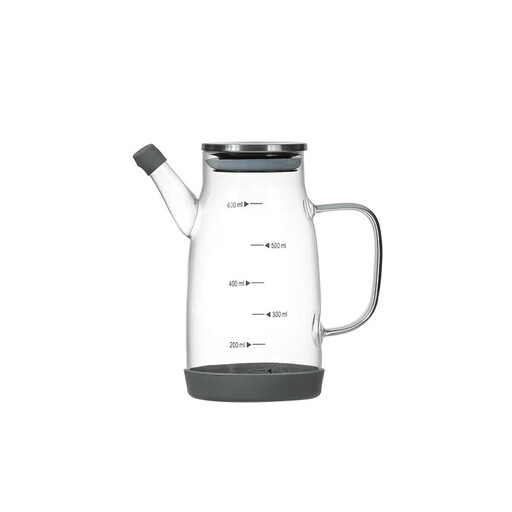
Why this product is a good fit: For users who use high-quality oils and value material quality and durability. The design is modern and the choice of material optimally protects the contents.
Made from borosilicate glass, which directly addresses the typical material flaw of fragile standard glass. It is more robust and resistant to temperature fluctuations.
Generous 600 ml capacity reduces the frequency of refills. The spout's automatic flip-top mechanism opens when tilted and closes on its own.
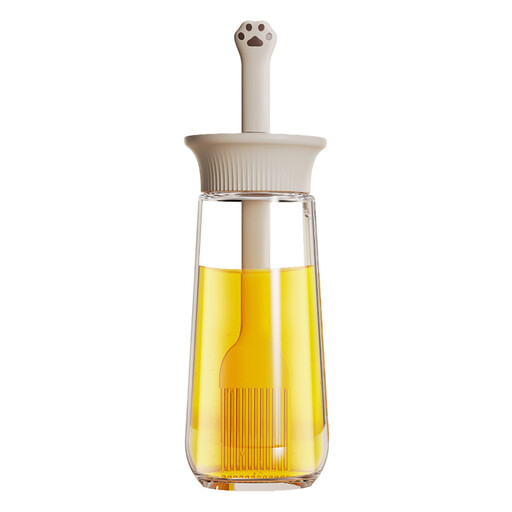
Why this product is a good fit: Perfect for applications where precise brushing is needed instead of pouring, e.g., for grilling, baking, or in an air fryer. An innovative 2-in-1 solution.
This design completely bypasses the problem of a dripping spout, as the oil is applied directly with the integrated brush. No spills, no oily fingers.
Integrated food-grade silicone brush for clean and even application. The entire system can be disassembled for easy cleaning.
We have compiled a complete, up-to-date list of products that fully meet these strict selection criteria and safety regulations.
For optimal hygiene and to prevent oil from going rancid, you should thoroughly clean the bottle before each refill. Disassemble the spout into its individual parts. Wash the glass bottle and all components with hot water and dish soap. For stubborn residues, a mixture of baking soda and vinegar or a bottle brush can help. Allow all parts to air dry completely before adding new oil, as moisture can affect the oil's shelf life.
The ideal volume depends on your frequency of use. For an olive oil that you use daily, a 500 ml bottle is a good choice. It's large enough to not require constant refilling, but small enough to keep the oil fresh. For rarely used specialty oils (e.g., walnut or truffle oil), a smaller glass oil dispenser of 250 ml or less is better to minimise oxidation.
While technically possible, it is not recommended. Bottles not specifically designed as oil dispensers often lack a functional, leak-proof spout, leading to drips and messy handling. Furthermore, oil should be protected from light to maintain its quality. Special oil bottles are often made of tinted glass or should at least be stored in a dark cupboard. Using robust borosilicate glass also offers greater safety in everyday kitchen use.