
Lieferung heute & morgen

Qualitätsgarantie

Willkommens-Angebote freischalten: KOSTENLOSE Lieferung | Bis zu 80 % RABATT | Kostenlose 30-Tage-JoyPlus-Testphase
App herunterladen
Whether for the bathroom, sauna, beach, or as comfortable house slippers—the demands on modern slides are high. They need to be safe, comfortable, and durable. However, the market is flooded with models whose marketing promises often fall short in practice. Many products turn out to be unsafe on wet floors or quickly lose their shape and function.
This guide, compiled by the Joybuy Product Recommendation Officer, helps you identify the crucial features. We'll show you the three typical product flaws to watch out for and how to find a model that meets your standards for safety and comfort.
The selection of shower sandals and house slippers is vast, but not every pair is a worthwhile investment. Watch out for these three weaknesses to avoid disappointment:
To avoid the issues mentioned above, you should focus on objective, technical features when choosing your next pair of slides. These three parameters are crucial for safety, durability, and comfort.
The sole material is the foundation of safety and comfort. EVA (Ethylene Vinyl Acetate) has established itself as the standard for high-quality EVA slides and shower shoes for men and women. It is a very lightweight, flexible, and simultaneously robust foam. Look for models that are "integrally molded," as they have no glued seams that could come apart.
Even more important is the sole's tread. High slip-resistance is achieved not by a soft surface, but by a well-thought-out design. Look for:
For use in wet areas, quick-drying beach shoes and shower sandals are essential. Trapped water in the shoe is not only unpleasant but also a safety risk. Effective models feature:
A good shoe adapts to the foot, not the other way around. Comfortable unisex house slippers should offer more than just a flat sole. Look for these ergonomic features:
Based on the criteria above, we have identified several models that are well-suited for different user profiles.
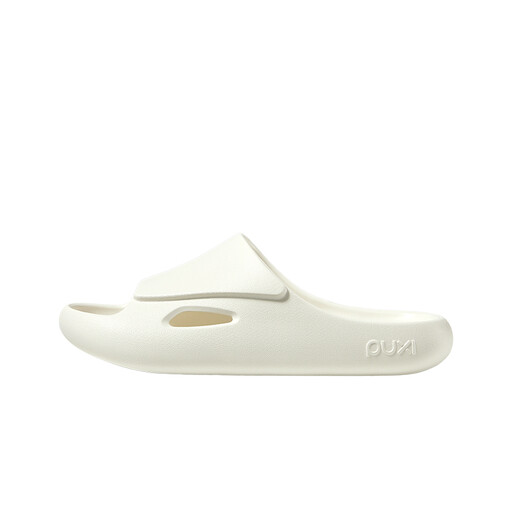
Why This Fits Their Persona: Ideal for those who need maximum safety in the bathroom, shower, or spa. The design is consistently engineered to handle wet and slippery surfaces.
Counters the "deceptive slip-resistance" trap with a deep wave-patterned outsole and textured granules specifically designed for water displacement.
Integrated drainage channels in the midsole prevent water from pooling. The recessed footbed provides secure foot support.
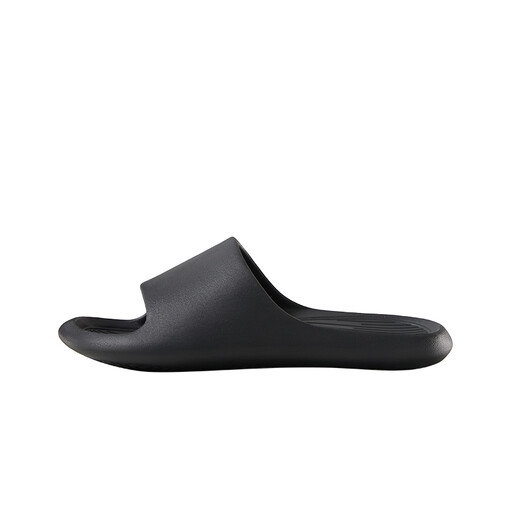
Why This Fits Their Persona: Suitable for wearers with wider or more robust feet who are looking for a versatile, minimalist slipper for home and leisure without compromising on fit.
Solves the problem of "lacking ergonomic support" and poor fit with an explicitly wider design. The single-piece molded EVA material also counteracts material fatigue.
Wide fit for superior comfort. The hydrophobic grid footbed and raised toe cap offer additional safety.
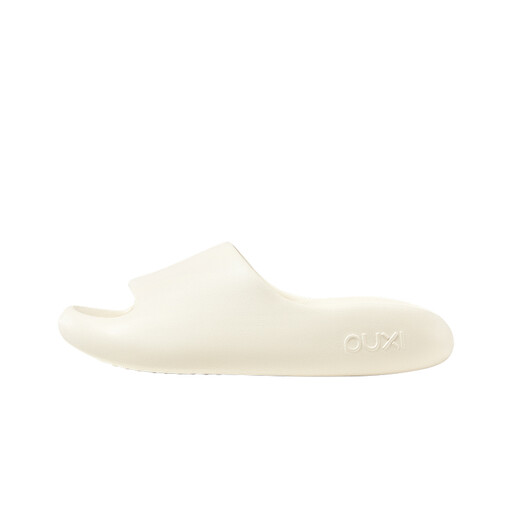
Why This Fits Their Persona: Perfect for anyone who values maximum cushioning and a soft feel. It serves as an exceptionally comfortable house slipper for long periods of standing and walking on hard floors.
Actively counteracts "lacking ergonomics." The thick sole, recessed footbed, and massage nodes provide a level of comfort that simple, flat slides cannot match.
The 3 cm thick sole offers strong rebound. Massage nodes in the heel area can help relieve pressure while walking.
We have compiled a complete, up-to-date list of products that fully meet these strict selection criteria and safety standards.
Caring for lightweight slides made of EVA is straightforward. Rinse the shoes regularly with lukewarm water to remove salt, chlorine, or soap residue. Avoid drying the slides in direct sunlight or on hot surfaces (e.g., a radiator), as high temperatures can deform or harden the material over time.
The main difference lies in the material and design. Non-slip slides are made from waterproof, quick-drying materials like EVA and feature a sole with a special tread for wet surfaces. Regular house slippers are often made from textiles like felt or cotton, which are optimised for comfort and warmth in dry conditions but are not suitable for wet areas.
Yes, as a rule, they are more durable. With single-piece minimalist slides, there are no glued connections between the sole and the strap. These adhesive points are often the first weak spot to fail due to water exposure and mechanical stress. A monoblock design is therefore more resilient and hygienic.