
Lieferung heute & morgen

Qualitätsgarantie

Willkommens-Angebote freischalten: KOSTENLOSE Lieferung | Bis zu 80 % RABATT | Kostenlose 30-Tage-JoyPlus-Testphase
App herunterladen
A slippery mat can not only disrupt your concentration but also increase the risk of injury during yoga, Pilates, or a home workout. However, the market is flooded with products whose promises often don't hold up in practice. As your Joybuy Product Recommendation Officer, I'll help you identify the crucial features and make an informed choice that fits your needs.
Many mats look great at first glance but quickly turn out to be a poor purchase. Pay close attention to these three points to avoid disappointment:
To find a mat that will perform well long-term, you should check three key technical parameters.
A TPE yoga mat is an excellent choice for most users. TPE (Thermoplastic Elastomer) is a material blend that combines the flexibility of rubber with the easy processing of plastic.
The ideal thickness depends on your primary use case.
The dimensions and texture are crucial for functionality.
Here are some models that are tailored to specific needs and avoid the pitfalls mentioned above.
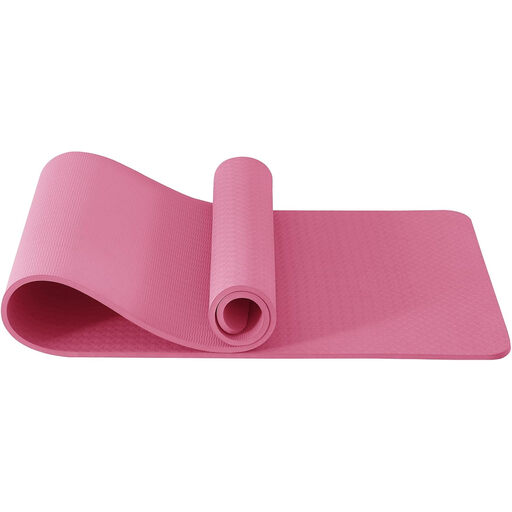
Why This Fits Their Persona: Ideal for beginners or individuals with sensitive joints who need maximum cushioning for floor-based exercises like Pilates or gentle gymnastics. The 10mm thickness provides superior comfort for the knees, hips, and spine.
This mat avoids the 'thicker is better' trap by combining a 10mm thickness with high-density TPE material. This ensures genuine cushioning without the mat becoming too soft and losing stability.
Excellent joint cushioning; dual-sided non-slip texture for a secure grip; includes a carrying strap for easy transport.
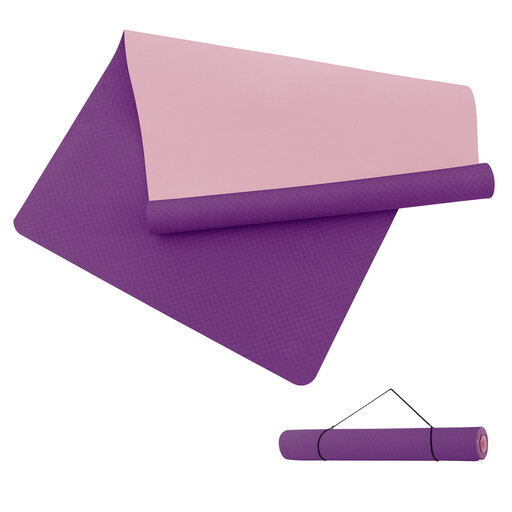
Why This Fits Their Persona: Perfect for anyone looking for a home gym mat with maximum space. The XXL size of 190 x 100 cm provides enough room for expansive movements, partner yoga, or intense fitness workouts.
This mat avoids the impractical surface trap by featuring a dual-sided non-slip texture. A leaf pattern on the top and a wave pattern on the bottom ensure a reliable grip on the floor and for your body.
XXL size for maximum freedom of movement; durable TPE material; 6 mm thickness offers a good compromise between cushioning and stability.
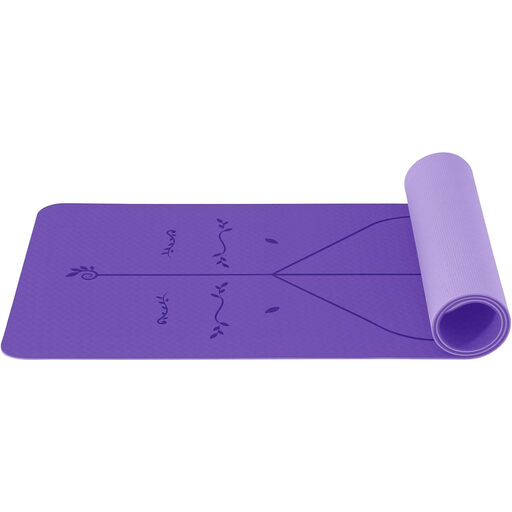
Why This Fits Their Persona: A versatile all-rounder for classic yoga and fitness training. The printed lines are especially helpful for beginners to correctly position their hands and feet and improve their posture in various asanas.
This mat avoids the false material claims trap by using skin-friendly, phthalate-free TPE. This material provides reliable grip and is odour-free, unlike cheap PVC mats that quickly become slippery.
Integrated alignment lines for posture control; balanced 6 mm thickness for stability and comfort; lightweight and includes a carrying strap for transport.
We have compiled a complete, up-to-date list of products that fully meet these strict selection criteria and German safety regulations.
Caring for a TPE mat is straightforward. Wipe the mat with a damp cloth after use. For heavier soiling, you can use a mild soap solution. Allow the mat to air dry afterwards, but avoid direct sunlight, as it can make the material brittle over time. Machine washing is not recommended.
Neither thickness is universally "better"—it all depends on the intended use. A 10mm yoga mat offers superior cushioning and is ideal for static exercises, Pilates, or individuals with sensitive joints. In contrast, a 6mm exercise mat provides more stability and a better feel for the floor, which is advantageous for dynamic yoga styles with many balancing poses (e.g., Vinyasa Flow).
Look for three main features: the material (TPE or natural rubber are good indicators), a distinct surface texture (not smooth), and ideally, a dual-sided structure for grip on the floor and for your body. A mat described as "closed-cell" is also less prone to absorbing sweat, making it more hygienic and grippy for longer.