
Lieferung heute & morgen

Qualitätsgarantie

Willkommens-Angebote freischalten: KOSTENLOSE Lieferung | Bis zu 80 % RABATT | Kostenlose 30-Tage-JoyPlus-Testphase
App herunterladen
A yoga mat that slips during Downward-Facing Dog not only undermines your concentration but also poses a safety risk. The market is flooded with mats advertised as "non-slip," but the reality is often different. Before you make a decision, it's crucial to understand the common pitfalls that can lead to a bad purchase.
To find the right fitness mat or gymnastics mat for your needs, you should carefully examine three core parameters: material, thickness, and surface texture.
The material is a key factor in the grip, durability, and comfort of your sports mat.
A mat's thickness is not the sole indicator of quality. The key is finding the right balance.
The standard size for a yoga mat is approximately 183 x 61 cm. For taller individuals or dynamic flows, a large yoga mat (e.g., 190 x 80 cm) can offer significantly more comfort and freedom of movement.
Even more important is the surface texture. A smooth mat can become slippery with sweat. Look for a pronounced texture, such as a wave or leaf pattern. Many mats offer a different texture on each side to provide optimal grip on various floors (e.g., hardwood, tile). A practical mat with a carrying strap also makes it easier to transport to the studio or outdoors.
Based on the criteria above, we have identified a few products that are well-suited for specific user profiles.

Why it's a great fit: Ideal for those seeking a versatile mat for yoga, Pilates, and general home fitness routines. Its standard dimensions and lightweight TPE material make it a hassle-free companion.
The 6 mm thickness provides a good balance, avoiding the instability of an overly thick mat. The dual-sided texture ensures genuine grip, rather than just relying on a generic "non-slip" claim.
The TPE material is lightweight, and the mat includes a carrying strap, simplifying transport and storage.
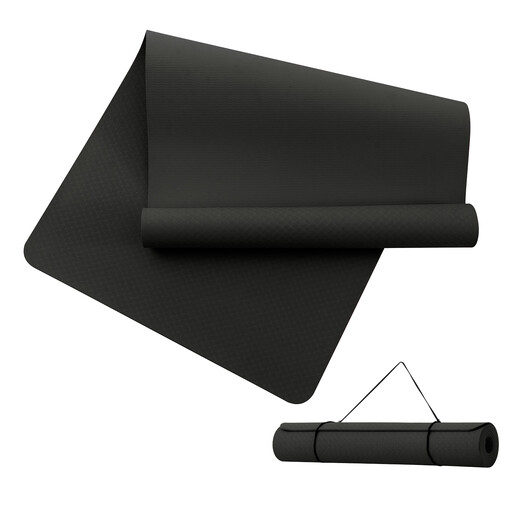
Why it's a great fit: Perfect for taller individuals or for practices involving wide lunges and movements. The oversized design prevents you from constantly stepping off the mat.
Instead of just focusing on thickness, the emphasis here is on the generous surface area. The 6 mm thickness still provides the necessary stability that is often missing in thicker mats.
The XXL dimensions of 190 x 80 cm offer significantly more freedom of movement. The dual-sided anti-slip texture (leaf and wave patterns) ensures grip on various surfaces.
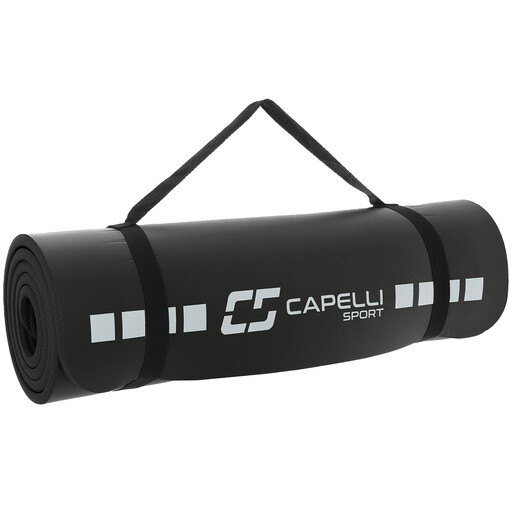
Why it's a great fit: Specifically for users who prioritise maximum comfort and joint protection during floor exercises like Pilates, gymnastics, or stretching. The thick NBR material cushions pressure on the knees, hips, and spine.
This mat bypasses the "thickness myth" by being specifically recommended for applications where cushioning is more important than stability for standing poses. It's a deliberate choice for comfort, not for balance-focused yoga.
The 12 mm thickness, made of NBR foam, offers superior shock absorption and cushioning. The textured surface still provides the necessary grip for floor exercises.
We have compiled a complete, up-to-date list of products that fully meet these strict selection criteria and all applicable safety regulations.
1. How do I properly clean and care for a non-slip yoga mat? Most TPE and NBR mats can be wiped down with a damp cloth and, if necessary, a mild soap solution. Avoid harsh cleaning agents and washing machines, as these can damage the material. Allow the mat to air dry completely after cleaning before rolling it up again.
2. What is the best material for a non-slip yoga mat if I sweat a lot? For heavy sweating, mats with an open-cell or highly textured surface are advantageous. Cork mats perform very well in this regard, as their grip increases with moisture. Alternatively, TPE mats with a pronounced, deep texture can also provide good grip.
3. How long does a TPE yoga mat last with regular use? The lifespan of a TPE mat depends on the frequency and intensity of use, as well as how it's cared for. With regular use (several times a week), you can expect it to last one to three years. Signs that it's time for a replacement include visible wear and tear, diminishing grip, or cracks in the material.