
Lieferung heute & morgen

Qualitätsgarantie

Willkommens-Angebote freischalten: KOSTENLOSE Lieferung | Bis zu 80 % RABATT | Kostenlose 30-Tage-JoyPlus-Testphase
App herunterladen
A yoga mat that slips during your practice doesn't just disrupt your focus—it can also compromise the correct execution of asanas and jeopardise your balance. Finding a suitable, non-slip yoga mat is therefore crucial for a safe and effective practice. Whether for dynamic yoga, Pilates, or as a general fitness mat for home, the demand for superior grip is high.
This article serves as your guide. It highlights the essential features to look for when making your choice and presents a selection of models with different properties to help you make an informed decision.
Three main factors determine a mat's functionality and suitability: its material, thickness, and additional features.
The surface material is directly responsible for its non-slip properties. Common materials offer different advantages and disadvantages.
The thickness of the mat affects both comfort and stability during balancing exercises.
Practical details can make daily use easier. A yoga mat with a carrying strap is particularly useful if you regularly transport your mat to the studio or outdoors. Also, pay attention to the mat's weight and the manufacturer's cleaning recommendations to ensure the material's longevity.
Based on the criteria mentioned, we have compiled a selection of mats that cater to different needs.

Why it stands out This model combines the popular 6 mm thickness with a double-sided, non-slip TPE design. The included carrying strap makes it a practical option for on-the-go use.
Benefits
Who it's for Users looking for a versatile home fitness mat suitable for yoga, stretching, and light strength exercises that is also easy to transport.
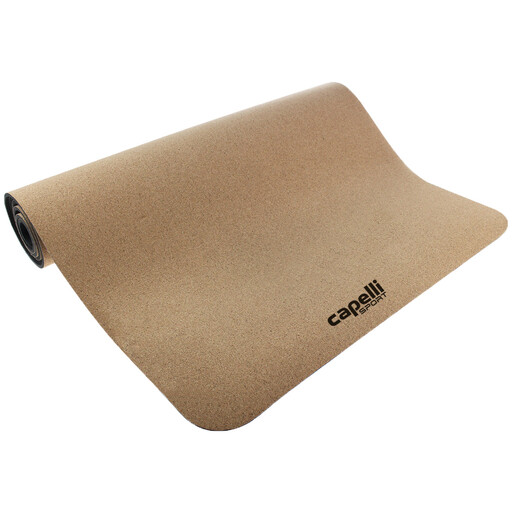
Why it stands out The combination of a natural cork surface and a TPE base makes this mat special. The grip of the cork layer can increase with moisture, making it an interesting choice for sweaty workouts.
Benefits
Who it's for Yoga practitioners, especially those who enjoy dynamic or sweaty styles like Hot Yoga, and who are looking for a mat with a natural surface and reliable grip.

Why it stands out This mat, made from durable PVC, stands out with its embossed surface for better grip and an eye-catching design. It is designed as a robust all-round mat for various types of training.
Benefits
Who it's for Users who prefer a robust, low-maintenance, and durable mat with a visual accent for regular workouts at home or in the gym.
The selection of training mats is vast, and individual requirements vary. If the models presented here don't exactly meet your needs, you can find more options with different materials, thicknesses, and designs in our broader category.
Discover more models in our Sports Mat category.
There is no single material that is best for everyone. The choice heavily depends on your yoga style, how much you sweat, and personal preference. TPE offers good all-round performance. Cork and natural rubber are known for their excellent grip, which often improves with moisture. PVC is very durable and provides a stable, often slightly sticky surface.
A thickness of 5 to 6 mm is often recommended for beginners. Such a mat offers a good compromise between joint protection and the stability needed to learn proper alignment in poses. A very thick mat can feel too unstable for balancing exercises at first.
The cleaning method depends on the material. Most TPE and PVC mats can be wiped down with a damp cloth and, if necessary, a mild soap solution. Cork mats are naturally less prone to bacteria and can also be wiped with a damp cloth. It is important to let the mat air dry completely after cleaning before rolling it up. Machine washing is not recommended for most mats. Always follow the manufacturer's specific care instructions.