
Lieferung heute & morgen

Qualitätsgarantie

Willkommens-Angebote freischalten: KOSTENLOSE Lieferung | Bis zu 80 % RABATT | Kostenlose 30-Tage-JoyPlus-Testphase
App herunterladen
A yoga mat that slips during your practice can disrupt your focus and compromise the correct alignment of your asanas. Finding a truly non-slip yoga mat is therefore a top priority for many practitioners, from beginners to seasoned yogis.
I'm Joybuy, and as a Product Recommendation Officer, my role is to provide you with clear, objective guidance in the world of yoga mats. This article outlines key criteria and presents a curated selection of mats to help you make an informed decision that suits your individual needs.
A mat's grip is primarily determined by its material, surface texture, and thickness. Here are three key criteria to guide your selection.
The material is crucial for grip, durability, and how it feels under your hands and feet.
A mat's thickness affects both your comfort and your stability in balancing poses.
Some mats offer features that can enhance your practice.
Based on the criteria above, we have compiled a selection of products with diverse features.
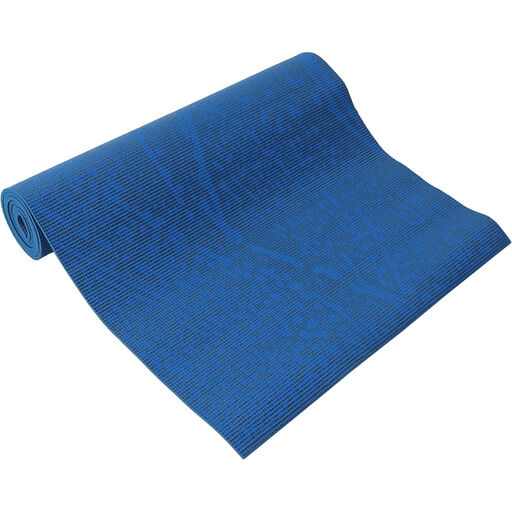
Why it stands out: This model combines comfortable 6 mm cushioning with a textured surface that provides grip during various floor exercises.
Features:
Who is it for? For practitioners who want a versatile and well-cushioned mat for training at home or in the gym and who value a durable material.
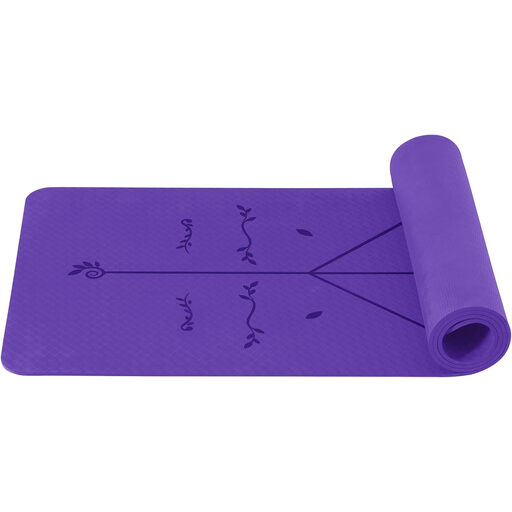
Why it stands out: This TPE mat is equipped with alignment lines that are especially helpful for beginners in finding correct posture. Its low weight and included strap make it highly portable.
Features:
Who is it for? Ideal for yoga beginners seeking a guide for their posture, as well as for anyone needing a lightweight Pilates mat to transport to class.
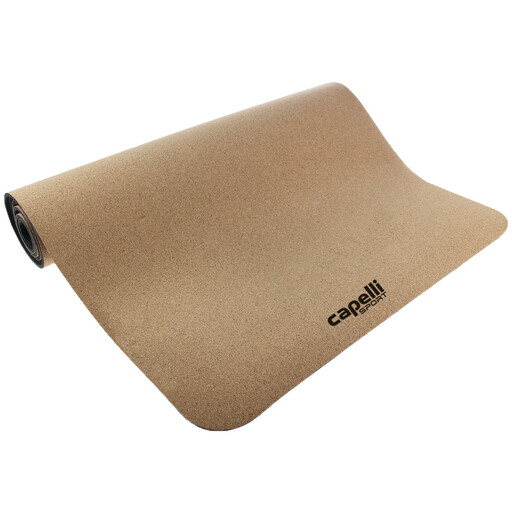
Why it stands out: The natural cork surface offers a unique property: its grip increases with moisture, making it ideal for sweaty practices.
Features:
Who is it for? For practitioners of Hot Yoga, Vinyasa, or other dynamic styles. Also for users who value natural and eco-friendly materials.
Haven't found the right mat for your specific needs yet? The market offers a wide variety of other models that differ in material, thickness, and design. To find the perfect foundation for your practice, you can explore our entire range.
Discover more yoga mats and equipment
Cleaning depends on the material. TPE or PVC mats can usually be wiped down with a damp cloth and a mild soap solution. For a cork mat, a damp cloth without harsh cleaning agents is usually sufficient. It's important to let the mat air-dry completely—but not in direct sunlight—after cleaning before rolling it up again.
A non-slip yoga mat is typically thinner (3–6 mm) and designed for maximum grip to ensure stability in poses. A fitness mat or exercise mat is often thicker (8 mm and up) to provide greater cushioning for higher-impact exercises or for general floor work, with less emphasis on grip.
A good beginner's yoga mat offers a balance of cushioning and stability, which is why a thickness of 5 to 6 mm is often recommended. A yoga mat with alignment lines can also be a valuable aid for developing a feel for the correct alignment of hands and feet right from the start.