
Lieferung heute & morgen

Qualitätsgarantie

Willkommens-Angebote freischalten: KOSTENLOSE Lieferung | Bis zu 80 % RABATT | Kostenlose 30-Tage-JoyPlus-Testphase
App herunterladen
A slippery mat can disrupt your concentration during yoga or Pilates and increase the risk of injury. Finding a reliably non-slip yoga mat is therefore a top priority for many practitioners. This article serves as your guide. It outlines objective criteria for making your selection and presents a range of mats with different features to help you decide.
As your Joybuy Product Recommendation Officer, I have compiled information on various models to help you make an informed choice that meets your personal requirements.
Three main factors determine a mat's functionality and suitability: material, thickness, and additional accessories.
The material has a direct impact on grip, weight, durability, and maintenance.
The thickness of an exercise mat affects comfort and stability during various poses.
A yoga mat with a carrying strap is a practical feature for anyone who regularly takes their mat to the studio, the park, or on their travels. The strap not only simplifies transport but also helps keep the mat rolled up neatly for space-saving storage.
Here is a curated selection of mats that stand out for their specific features.
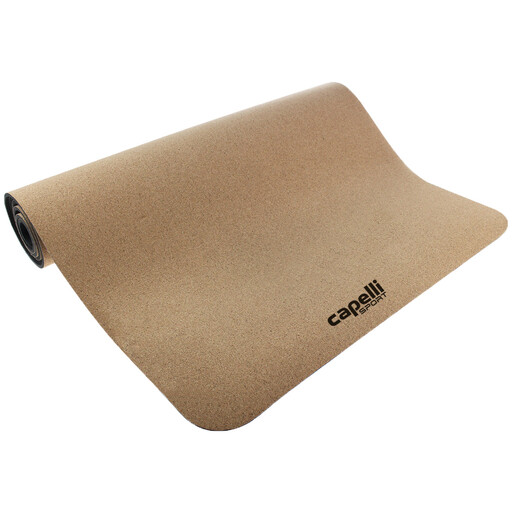
Why it stands out: This mat combines a natural cork surface with a TPE base. According to the manufacturer, the grip of the cork layer increases with moisture, making it especially appealing for dynamic and sweaty practices.
Advantages:
Who it's for: Users looking for an eco-friendly option who frequently practice intense or Hot Yoga sessions.
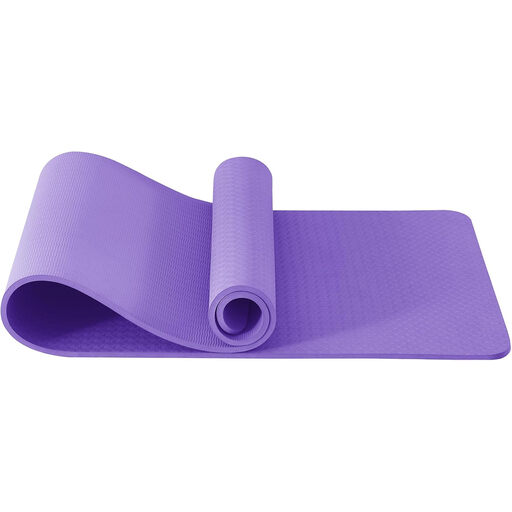
Why it stands out: With a thickness of 10 mm, this fitness mat offers exceptional cushioning. It is designed to provide maximum protection for joints like the knees, hips, and spine during floor exercises.
Advantages:
Who it's for: Beginners, individuals with sensitive joints, and for use as a Pilates mat or for gymnastic exercises where comfort is the priority.
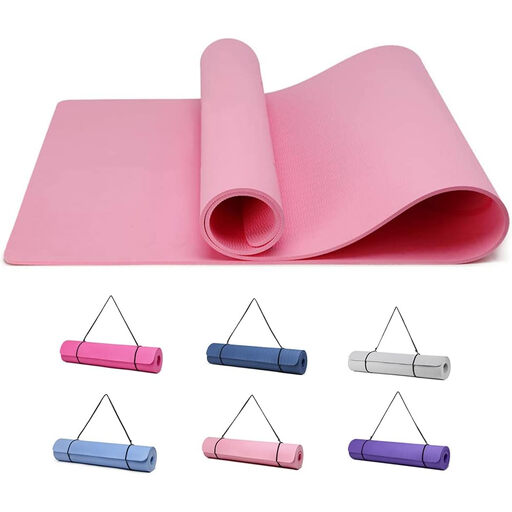
Why it stands out: This model is a versatile all-rounder. With a 6 mm thickness and a low weight of 0.7 kg, the mat is an excellent compromise between cushioning and portability. The dual-layer structure, with different patterns on the front and back, is designed for a secure grip on various floor types.
Advantages:
Who it's for: Users who want a lightweight and versatile mat for various activities like yoga, Pilates, or HIIT, and plan to use it at home, in the studio, or while traveling.
This selection represents just a small fraction of the available models. Every practice is unique, and you may require different features or designs. If you'd like to compare more mats and accessories, you can find additional alternatives in our broader range.
Discover More Yoga Gear in Our Collection
1. How do I properly clean a non-slip yoga mat? Most TPE mats can be wiped down with a damp cloth and, if necessary, a mild soap solution. Allow the mat to air-dry completely before rolling it up. Cork mats are cleaned similarly; often, water is sufficient. Avoid harsh detergents and machine washing, as this can damage the materials. Always follow the manufacturer's care instructions.
2. What is the best material for a non-slip yoga mat? There is no single "best" material, as the choice depends on personal preference and yoga style. TPE is a lightweight, well-cushioned, and easy-to-clean all-around solution. Cork offers excellent grip, especially with sweat, and is a natural, sustainable option.
3. How thick should a yoga mat be? The ideal thickness depends on the balance between comfort and stability. For dynamic styles and balancing poses, 4-6 mm is often sufficient as it allows for good contact with the floor. For Pilates, stretching, or if you have sensitive joints, a thicker mat of 8-10 mm can provide more comfort.