The primary function of a yoga mat is to provide a stable, secure surface for your practice. Non-slip performance is a critical parameter that directly impacts the safety and effectiveness of your workout. It is largely determined by the mat's material composition, surface density, and texture. Insufficient grip on the floor or under the hands and feet can compromise correct alignment in poses and increase the risk of injury. This guide analyses the technical criteria to consider when selecting a suitable mat.
Buyer's Guide: What to Look for in a Non-Slip Yoga Mat
Your choice of mat should be based on an analysis of specific technical features tailored to your individual needs.
1. Material Analysis
The material is the most important factor for grip, cushioning, weight, and durability.
- TPE (Thermoplastic Elastomers): This material is a common choice for modern yoga mats. TPE mats have a closed-cell structure that prevents sweat and bacteria from penetrating, making them easy to clean. They offer a good balance of lightness, flexibility, and non-slip performance. A TPE yoga mat is often a great option for all-purpose use.
- Cork: Cork is a natural material known for its antimicrobial properties and excellent grip, which actually increases with moisture. Cork mats typically consist of a thin layer of cork on a TPE or natural rubber base that provides the necessary cushioning.
- Natural Rubber: This material offers exceptionally high non-slip performance. However, natural rubber mats tend to be heavier and may have a characteristic odour. Individuals with a latex allergy should avoid this material.
- PVC (Polyvinyl Chloride): PVC is a very durable and often cost-effective material with good cushioning. However, the grip on more affordable models can be inferior, and its environmental footprint is considered less favourable compared to TPE or cork.
2. Thickness and Cushioning
The thickness of a mat, measured in millimetres, affects both comfort and stability.
- Thin (up to 4 mm): Offers a direct connection to the floor and high stability, which is advantageous for balancing poses. However, cushioning is minimal.
- Standard (5-6 mm): An all-rounder that strikes a balance between cushioning and stability. Suitable for most yoga styles and as a Pilates mat.
- Thick (8 mm and up): A thick exercise mat offers maximum cushioning, protecting the joints during lying or kneeling exercises. It works well as a gymnastics mat or an at-home exercise mat. However, stability can be reduced during standing balance poses.
3. Surface Texture and Dimensions
The surface texture mechanically contributes to the mat's non-slip properties. Textured patterns like waves, lines, or dots increase the contact area and improve grip. Dual-sided textures can optimise adhesion on different types of flooring. Standard dimensions are approximately 183 x 61 cm, with longer and wider models available for taller individuals.
4. Additional Features
A yoga mat with a carrying strap makes transport and storage significantly easier. This is particularly relevant for users who take their mat to studio classes or outdoor sessions.
Our Top Picks for 2026
The following products have been selected based on their technical specifications and intended use cases.
1. Good Nite Yoga Mat (6 mm TPE)
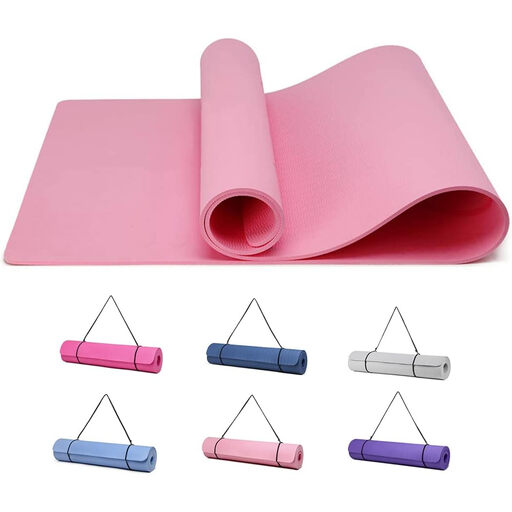
- Why We Recommend It: This model combines the functional advantages of TPE material with a well-engineered design. The dual-layer structure, featuring different patterns on the front and back, is designed to ensure reliable grip on both the mat's surface and the floor. Its 6 mm thickness represents a balanced compromise for various forms of exercise.
- Specifications:
- Material: Thermoplastic Elastomers (TPE)
- Thickness: 0.6 cm (6 mm)
- Structure: Dual-layer design with a line pattern (top) and wave pattern (bottom)
- Weight: 0.7 kg
- Accessories: Includes carrying strap
- Best For: Users looking for a lightweight and versatile workout mat for yoga, Pilates, and general fitness exercises. The standard thickness makes it a good yoga mat for beginners and intermediate practitioners who need a portable solution.
2. 5MM Cork Yoga Mat
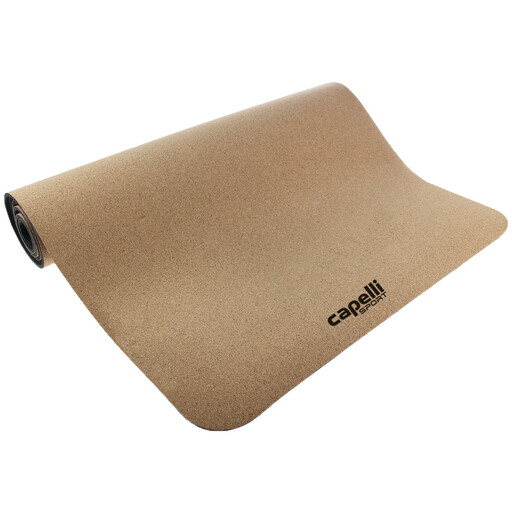
- Why We Recommend It: The combination of a cork surface and a TPE base addresses specific needs. Cork is known for its ability to improve grip as moisture increases, making the mat especially functional for sweaty practices like Hot Yoga. The TPE base provides the necessary cushioning and floor adhesion.
- Specifications:
- Material: Cork surface, TPE base
- Thickness: 5 mm
- Features: Sweat-resistant, grip increases with moisture
- Material Origin: Cork is a renewable resource
- Best For: Individuals who practice dynamic yoga styles and value natural materials. Its sweat-resistant properties are advantageous for intense workouts.
3. Good Nite Yoga Mat (10 mm TPE)
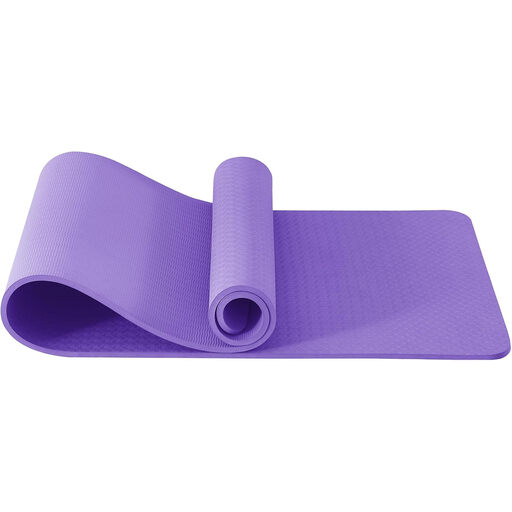
- Why We Recommend It: With a thickness of 10 mm, this model's clear focus is on maximum cushioning. The high-density TPE construction is designed to protect the spine, hips, knees, and elbows during floor exercises. The dual-sided, non-slip texture ensures stability despite the increased padding.
- Specifications:
- Material: High-density TPE
- Thickness: 1 cm (10 mm)
- Features: High cushioning, water and sweat-repellent, dual-sided texture
- Weight: 1.2 kg
- Accessories: Includes carrying strap
- Best For: Users who need a fitness mat with substantial padding for joint-friendly training like Pilates, gymnastics, or rehabilitative exercises. It is especially designed for use on hard floors such as tile or laminate.
More Options for Your Workout
A non-slip yoga mat is a fundamental piece of workout equipment. For users looking to supplement their home workouts with other gear like dumbbells, resistance bands, or foam rollers, a wider range of products is available. You can find a comprehensive selection of training equipment in our Men's Fitness Equipment category.
Frequently Asked Questions (FAQ)
Which materials offer the highest non-slip performance? Materials like natural rubber, TPE, and cork are considered highly non-slip. Natural rubber often provides the strongest grip (open-cell structure) but is heavier. TPE offers excellent all-round performance at a lower weight. Cork is unique in that its grip increases with moisture, which is beneficial during sweaty practices.
How important is the thickness of a yoga mat? Thickness is a trade-off between cushioning and stability. Thinner mats (up to 4 mm) promote stability in balancing poses. Standard mats (5-6 mm) are versatile. Thicker mats (8 mm and up) offer maximum comfort and joint protection but can slightly reduce stability in standing poses. The choice depends on your primary use and personal preference.
How do you clean and care for a yoga mat? Most TPE, cork, or PVC mats can be wiped down with a damp cloth. If needed, a mild soap solution can be used. Afterwards, the mat should be allowed to air dry completely before being rolled up. Machine washing is generally not recommended as it can damage the material. Always follow the manufacturer's specific care instructions.
Written by: Joybuy Product Recommendation Officer

