
Lieferung heute & morgen

Qualitätsgarantie

Willkommens-Angebote freischalten: KOSTENLOSE Lieferung | Bis zu 80 % RABATT | Kostenlose 30-Tage-JoyPlus-Testphase
App herunterladen
A yoga mat that slips during your practice is not only distracting but can also increase the risk of injury. However, the search for a truly non-slip yoga mat often leads through a jungle of marketing claims. Many mats advertised as "non-slip" lose their grip as soon as they come into contact with sweat or wear out after a short time. Before you make a decision, it's crucial to understand the most common pitfalls to avoid making a poor purchase.
Common Pitfalls When Buying a Yoga Mat:
To make an informed decision, you should focus on objective criteria rather than advertising slogans. The following three parameters are critical for your mat's performance and longevity.
The material determines not only the grip but also the mat's durability, weight, and environmental impact.
The thickness of the mat affects both comfort and balance. The right choice depends on your practice and physical needs.
The surface is the third critical factor for grip.
Based on these objective criteria, we have identified products that are well-suited for specific user profiles.

Why This Fits Their Persona: This mat is a pragmatic choice for users seeking a versatile surface for yoga, Pilates, and general fitness exercises at home. The 6 mm thickness provides a good balance of cushioning and stability for various types of exercise.
It bypasses the pitfall of inadequate thickness. At 6 mm, it's neither too thin for comfortable floor work nor too thick for stable standing poses. The embossed surface provides mechanical grip for standard exercises without excessive sweating.
The durable and low-maintenance PVC material is easy to wipe clean. The mat is versatile enough to be used as both a yoga mat and a fitness mat.
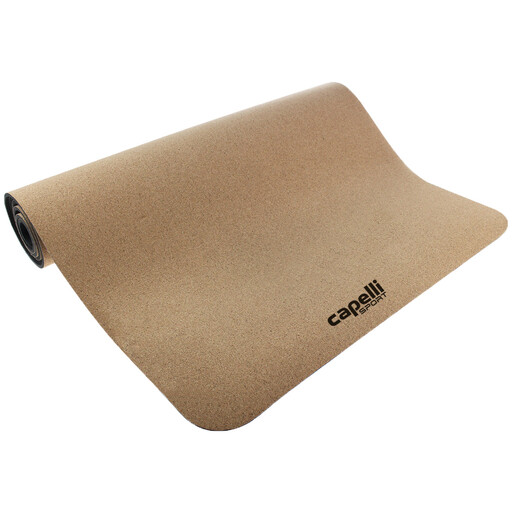
Why This Fits Their Persona: Ideal for users who prioritize sustainability and need a mat for intense, sweaty practices like Hot Yoga. The combination of a cork surface and a TPE base offers a functional and eco-friendly solution.
This mat solves the problem of slipping when wet. Instead of making an empty promise, it leverages the physical property of cork to become grippier with moisture, making it a reliable choice for sweaty workouts.
The non-slip grip increases with sweat. The mat is made from sustainable materials (cork) and recyclable TPE. The 5 mm thickness provides good cushioning.
We've curated a comprehensive, up-to-date list of products that meet these strict selection criteria.
1. How do I properly clean a non-slip yoga mat? Cleaning depends on the material. Mats with a closed-cell surface (PVC, TPE) can be simply wiped down with a damp cloth and a mild soap solution. Mats with an open-cell surface (cork, natural rubber) should be cleaned more carefully, often with just water or a specialized cleaner, to avoid clogging the pores. Always let the mat air dry completely after cleaning.
2. Is a thicker yoga mat always better for the knees? Not necessarily. While a thicker mat offers more cushioning, it can reduce stability in balancing poses. For people with sensitive knees, a mat that is 5 to 6 mm thick is often a good compromise. If needed, a folded towel or a special knee pad can be placed under the knees for extra support.
3. How long does a high-quality yoga mat last? The lifespan heavily depends on the frequency of use, care, and material. A well-maintained PVC mat can last for several years. Natural rubber can become brittle with sun exposure, while cork is very durable. Signs that it's time for a replacement include visible abrasion, decreasing grip, or if the mat starts to disintegrate.