
Lieferung heute & morgen

Qualitätsgarantie

Willkommens-Angebote freischalten: KOSTENLOSE Lieferung | Bis zu 80 % RABATT | Kostenlose 30-Tage-JoyPlus-Testphase
App herunterladen
A yoga mat that slips during Downward-Facing Dog not only undermines your concentration but also poses a safety risk. The market is flooded with mats that promise a non-slip grip but often fail in practice. Many buyers invest in products that prove to be unusable after a short time. This guide highlights the most common pitfalls and explains the objective criteria that truly matter when making your choice.
Before you make a decision, you should be aware of the typical issues that lead to a bad purchase. Often, it's exaggerated marketing claims or misunderstood product features that lead to disappointment later on.
To make an informed choice, focus on the following three technical features. They are the primary determinants of your mat's performance and longevity.
The material is the heart of any yoga mat. Each has specific properties regarding grip, cushioning, and durability.
The combination of thickness and texture determines both comfort and safety.
Thickness:
Surface Texture: An embossed texture (e.g., a wave or leaf pattern) creates mechanical grip that works independently of the material's "stickiness". A dual-sided texture often provides different levels of grip and increases the mat's versatility.
The standard size for a yoga mat is about 183 x 61 cm. For taller individuals or for exercises with a wide range of motion, a large yoga mat (e.g., 190 x 80 cm) can offer significantly more comfort and freedom of movement.
Here are some recommendations tailored to specific user profiles and the criteria mentioned above.
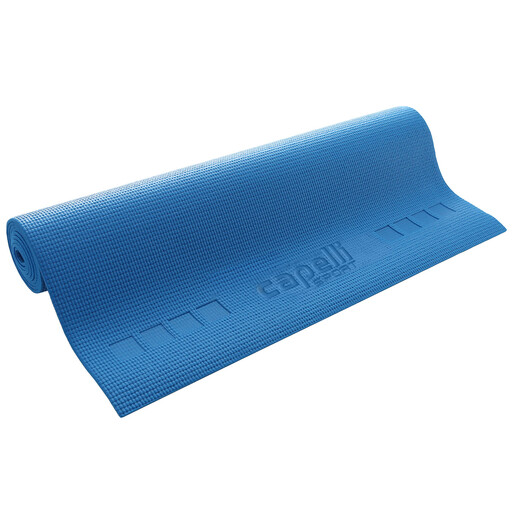
Why This Fits Their Persona: A functional and affordable option for those starting with yoga or home fitness without making a major initial investment. The 4 mm thickness provides sufficient ground contact for stability exercises.
This model sidesteps the trap of false material promises by relying on proven PVC with an embossed surface texture. This texture provides mechanical grip and reduces the slipping that occurs with smooth, cheap mats.
Durable PVC material that is resistant to abrasion and easy to clean with a damp cloth.
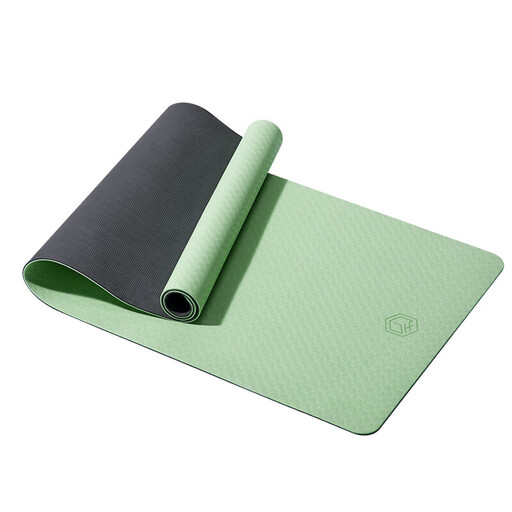
Why This Fits Their Persona: Ideal for users looking for a versatile mat for yoga, Pilates, and general fitness exercises. The TPE material and slightly wider dimensions (183 x 66 cm) offer a great compromise between comfort, stability, and freedom of movement.
This mat avoids the "thicker is better" trap. Instead of focusing on excessive softness, the dense TPE material provides balanced cushioning that protects the joints without compromising the stability needed for standing poses.
High-quality TPE material with good resilience and reliable non-slip performance. The closed-cell surface is hygienic and low-maintenance.
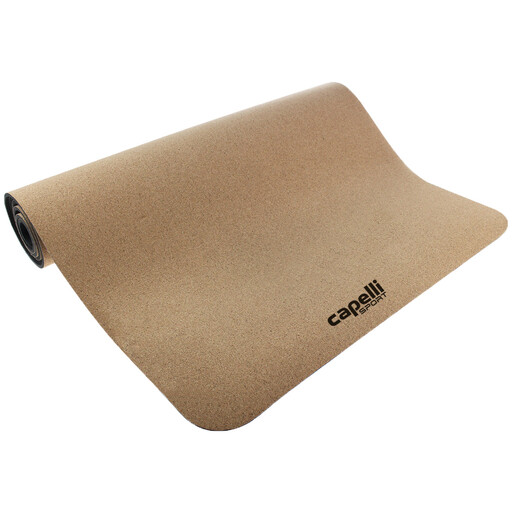
Why This Fits Their Persona: Perfect for intense and sweaty workout sessions. The cork surface offers exceptional grip that actually improves with moisture, making it the top choice for Hot Yoga or demanding Vinyasa flows.
This mat solves the core problem of many mats: loss of grip when you sweat. While other materials become slippery, the natural cork surface provides the necessary grip precisely when it's needed most.
Excellent non-slip performance in wet conditions. The TPE base ensures stability on the floor, while the cork surface is natural and sustainable.
We have compiled a complete, up-to-date list of products that fully meet these strict selection criteria and all applicable safety regulations.
The right care depends on the material. You can simply wipe down TPE or PVC mats with a damp cloth and, if necessary, a mild soap solution. For a cork mat, a damp cloth without any cleaning agent is usually sufficient. Always let the mat air dry completely after cleaning and avoid direct sunlight, as it can damage the material over the long term.
The lifespan of a yoga mat is determined by the material, intensity of use, and care. A high-quality TPE yoga mat or cork yoga mat can last for several years with regular use and proper care. Cheaper PVC models often show the first signs of wear, such as abrasion or loss of grip, after about a year. Replace your mat when it starts to crumble, shows tears, or has a noticeable loss of its non-slip properties.
Not necessarily. While a thick yoga mat (e.g., 10 mm NBR) offers substantial cushioning, it can compromise stability in standing poses because your foot sinks in deeper. For a balanced yoga practice, a 5 to 6 mm thick mat made of a dense material like TPE is often the better choice. It provides a good compromise between joint protection and the stability needed for balancing exercises.