
Lieferung heute & morgen

Qualitätsgarantie

Willkommens-Angebote freischalten: KOSTENLOSE Lieferung | Bis zu 80 % RABATT | Kostenlose 30-Tage-JoyPlus-Testphase
App herunterladen
A wet bag, a ruined laptop, or soaked documents—the result of a leaky water bottle is more than just an annoyance. The market is flooded with promises of leak-proof models, but reality often tells a different story. Many reusable water bottles prove to be unreliable after only a short time. Before you make a purchase, it's crucial to understand the common weak points often hidden behind appealing marketing.
The 2 Most Common Pitfalls When Buying a Water Bottle:
To make an informed decision that meets your needs, you should examine three core parameters. These determine whether a bottle will truly live up to its promises in daily use.
Leak-proof performance is directly tied to the lid's design. Look for the following features:
The material affects not only durability but also your health and the taste of your drink. Choosing a BPA-free water bottle is standard today, but there are other differences to consider.
Tritan copolyester has established itself as the material of choice for high-quality reusable water bottles. A Tritan water bottle offers distinct advantages:
The ideal size depends on your daily routine. A 500ml water bottle is often a great compromise for the office or short trips. For long days or as a sports bottle, a 700ml water bottle or larger is more practical. Also, pay attention to the diameter: will the bottle fit in your car's cup holder or the side pocket of your backpack? A slim design and low empty weight make an on-the-go water bottle much more convenient.
Based on these objective criteria, we've identified a few models that are particularly well-suited for specific use cases.
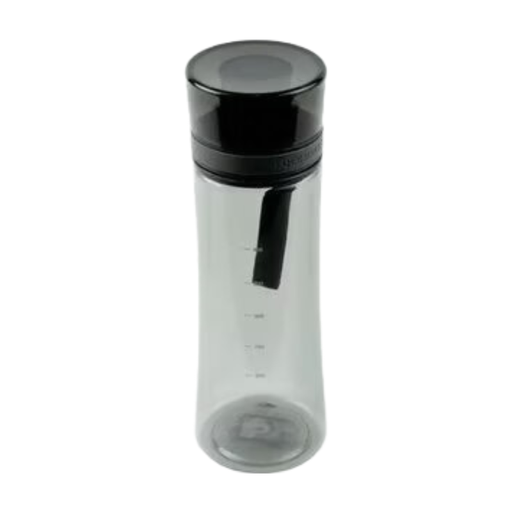
Why This Fits Their Persona: Perfect for the commute to work or university. Its compact size and integrated spout allow for one-handed drinking on the train or in the car without having to unscrew the lid.
The combination of a secure flip-top mechanism and a precision silicone seal prevents the typical leaks that occur with simple lids inside a bag.
BPA-free plastic and a design that fits standard cup holders. The 480ml size is a great balance between capacity and portability.
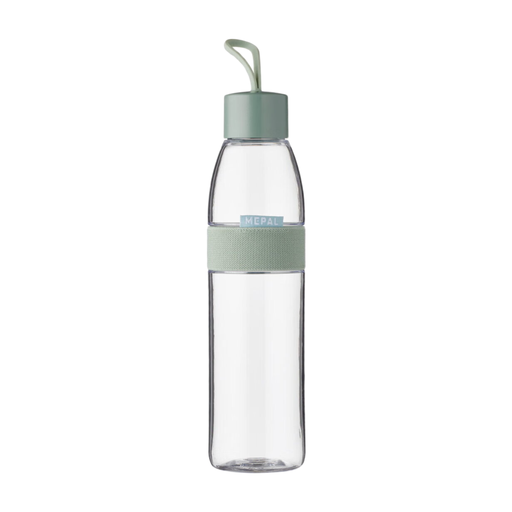
Why This Fits Their Persona: For anyone who doesn't want to give up carbonated drinks on the go. This bottle is explicitly designed to withstand the resulting pressure.
It solves the problem of using unsuitable bottles for fizzy drinks. The robust screw-top lid and sturdy material (PCTG) are designed to handle the excess pressure.
Declared by the manufacturer as suitable for carbonated drinks. It is also BPA-free and dishwasher-safe (without the rubber band).
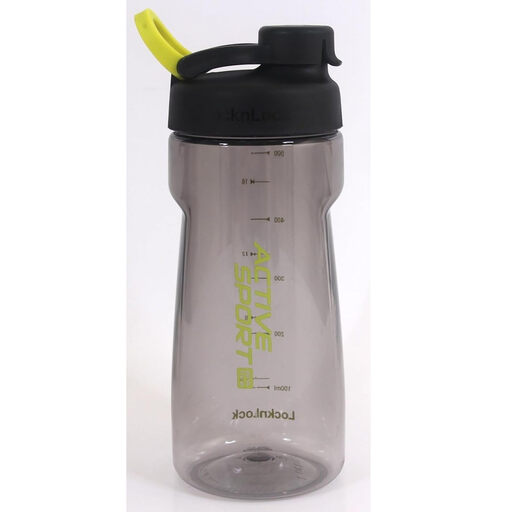
Why This Fits Their Persona: With a 730ml capacity, this bottle provides ample hydration for intense workouts. The durable Tritan material can withstand the rigours of the gym.
This bottle avoids the pitfall of unsuitable materials. The impact-resistant Tritan is designed for active use, and the lid features an additional safety clip.
Large capacity, a one-handed locking flip-top lid, and a convenient carrying strap. The material is 100% BPA-free and taste-neutral.
We've compiled a complete, up-to-date list of products that fully meet these strict selection criteria and safety standards.
The best method is daily cleaning with warm water and mild washing-up liquid. Pay special attention to the lid and the seal, as residue can build up here. Many seals can be removed for a thorough cleaning. Let the bottle and lid air-dry separately to prevent moisture build-up and odours. For stubborn smells, a mixture of baking soda and warm water left to soak overnight can help.
No, not necessarily. Although Tritan is a very durable material, its suitability for carbonated drinks depends primarily on the design of the lid and the bottle as a whole. The pressure created by carbonation requires a specially designed, secure lid. Only fill carbonated drinks into bottles where the manufacturer explicitly states it is safe to do so, such as the Mepal Ellipse bottle.
BPA (Bisphenol A) is a chemical compound used in the manufacturing of certain plastics. It is suspected of being harmful to health as it can leach into food and drinks. Choosing a BPA-free water bottle ensures that you are not ingesting potentially harmful chemicals with your water. This is especially important for a reusable water bottle that you use daily. Therefore, always look for this label.