
Lieferung heute & morgen

Qualitätsgarantie

Willkommens-Angebote freischalten: KOSTENLOSE Lieferung | Bis zu 80 % RABATT | Kostenlose 30-Tage-JoyPlus-Testphase
App herunterladen
By the Joybuy Product Recommendation Officer, July 28, 2026
A quality non-stick baking pan is the cornerstone of countless perfect cakes, breads, and pastries. However, the market is flooded with products whose promises often fall short after just a few uses. A cake that sticks or a coating that peels is not only frustrating but also leads to unnecessary expense. Before you purchase a new cake pan or loaf pan, you should understand the common weaknesses to make an informed decision.
Many baking pans look high-quality at first glance but reveal their flaws only with use. Pay close attention to these three points to avoid a bad purchase:
To avoid the problems mentioned above, you should focus on a few objective criteria during your selection. These define the quality and durability of a baking pan far better than mere marketing promises.
The material is the foundation of any baking pan. It determines not only its stability but also how evenly heat is transferred to your baked goods.
The quality of the coating is critical for functionality and lifespan. Basic PTFE coatings are standard, but there are significant differences:
Depending on your baking project, certain features are advantageous:
Based on these objective criteria, we have identified several products suited for different needs and user profiles.
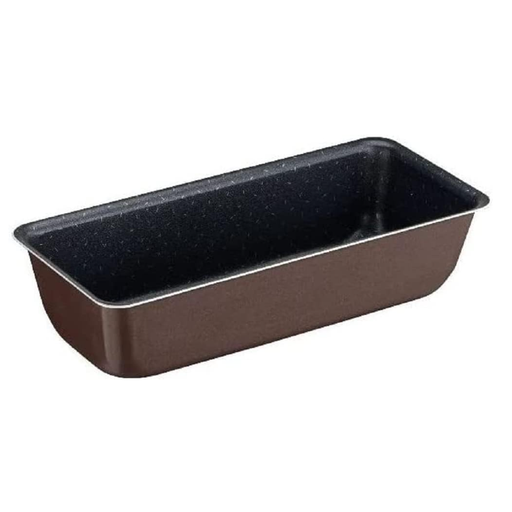
Why This Fits Their Persona: Ideal for home bakers looking for a reliable and straightforward all-purpose pan for sheet cakes or brownies without a large investment.
The recycled aluminium material ensures even heat distribution, preventing it from warping. The ProBaking non-stick coating is known for its reliability and is more durable than many no-name alternatives.
Even baking results thanks to the excellent heat conduction of aluminium. Easy to clean, as the pan is dishwasher-safe according to the manufacturer (hand washing is recommended for longer durability).
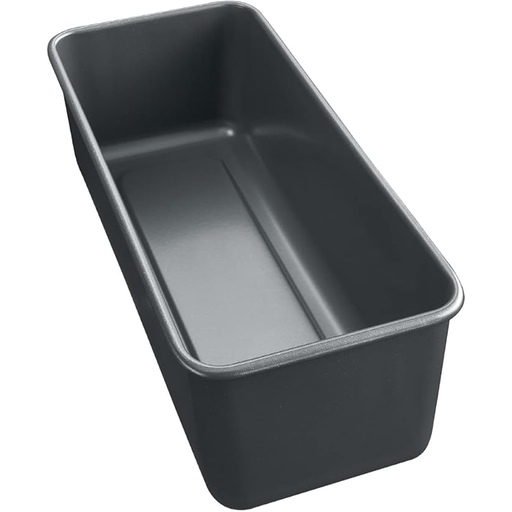
Why This Fits Their Persona: Perfect for anyone who regularly bakes bread, especially sourdough, and is looking for an extremely durable, robust, and functional pan in which you can even slice the bread.
This pan consistently delivers on its "sourdough-resistant" and "cut-resistant" promises. The glass-hard enamel base is impervious to acid and knives. The heavy-gauge steel material reliably prevents the pan from warping.
Extremely robust and durable thanks to its enamel base and ceramic-reinforced KAIRAMIC non-stick coating. Its structural stability and even browning support professional-quality baking results.
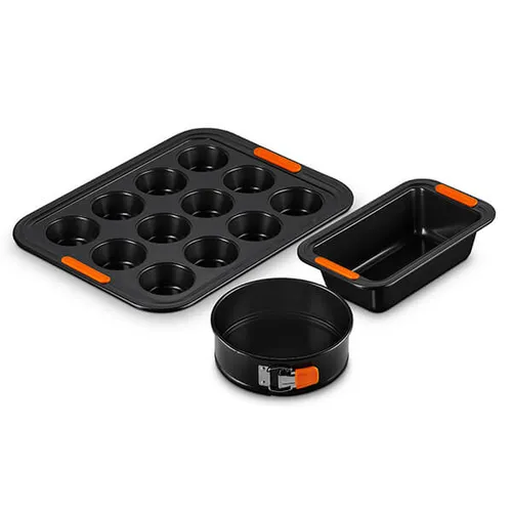
Why This Fits Their Persona: For bakers seeking a high-quality starter set for a wide range of projects—from muffins and loaves to round cake layers. The emphasis here is on brand quality and versatility.
The set is made from heavy-gauge carbon steel that, according to the manufacturer, will not warp even at high temperatures. The premium non-stick coating is designed for durability and is also PFAS-free.
Three essential baking pans (muffin tin, loaf pan, springform pan) in one set. The warp-resistant properties and even heat distribution of the carbon steel ensure reliable results for every baking project.
We have compiled a complete, continuously updated list of products that fully meet these strict selection criteria and all relevant safety standards.
Proper care is crucial. Clean the pan by hand with warm water, a mild dish soap, and a soft sponge. Avoid abrasive scouring pads and metal utensils. Always dry the pan thoroughly after cleaning to prevent rust from forming on any uncoated edges.
The main difference lies in the material and coating of the base. A loaf pan designated as sourdough-resistant, such as models from Kaiser Bakeware, typically features an enamel base. This glass-like material is impervious to the acid in sourdough, which can attack and damage conventional metal surfaces and coatings over time.
Yes, especially for delicate baked goods. With a tart pan with a removable bottom, you can simply lift off the outer ring after baking. The tart or quiche remains intact on the base plate and can be served directly from it or slid onto a serving platter. This minimises the risk of the pastry breaking when turning it out or lifting it.