
Lieferung heute & morgen

Qualitätsgarantie

Willkommens-Angebote freischalten: KOSTENLOSE Lieferung | Bis zu 80 % RABATT | Kostenlose 30-Tage-JoyPlus-Testphase
App herunterladen
Buying a new non-stick induction cookware set seems simple at first. But disappointment often sets in after just a few months: the pan warps, food starts to stick, and the promised induction suitability turns out to be inefficient. Many advertising claims conceal design flaws that complicate daily cooking instead of making it easier. Before you make a decision, it's crucial to understand the common pitfalls.
Two of the most common problems are:
To make an informed decision, you should focus on the technical fundamentals rather than marketing buzzwords. Two parameters are crucial for an induction cookware set.
A pot's performance on an induction hob depends entirely on its base. An optimal induction base is not only magnetic but also engineered to absorb and distribute energy efficiently and evenly.
Look for the following features:
The term healthy cookware is often used, but the verifiable facts are what matter. A high-quality non-stick coating should, above all, be free of harmful substances.
Key criteria include:
Instead of making a blanket recommendation, we have selected products that fit specific user profiles and avoid common problems.

Why This Fits Their Persona: Ideal for anyone looking for a complete, toxin-free starter kit. The set covers all basic cooking needs and focuses on a health-conscious choice of materials.
The product description explicitly states that the granite non-stick coating is free of PFOA, PFOS, lead, and cadmium. It is also designed for all hob types, including induction.
Comprehensive 13-piece set including utensils and pot protectors. The rivet-free interior design makes cleaning significantly easier.
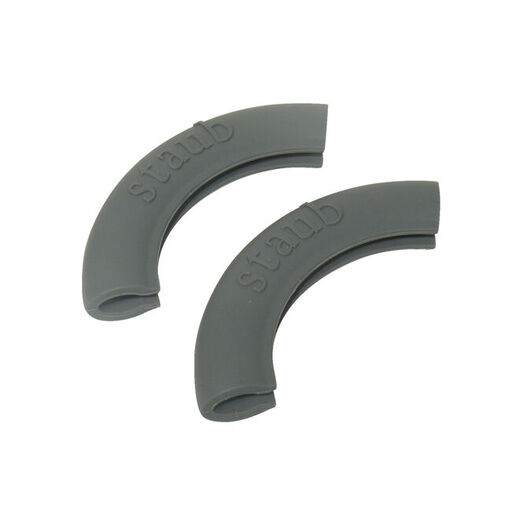
Why This Fits Their Persona: A smart addition to any cookware, especially for pots with metal handles that get hot on the hob or in the oven. Perfect for cooks who prioritise safe handling.
This accessory solves an often-overlooked problem: hot handles. Instead of fumbling with clumsy pot holders, these handles offer a snug and secure solution.
Heat-resistant up to 200°C and dishwasher-safe. The handles provide a secure grip when moving hot pots and pans.
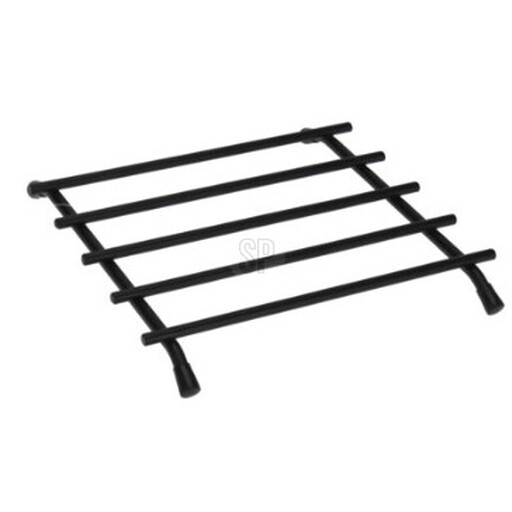
Why This Fits Their Persona: For anyone who likes to serve directly from the pot or pan while protecting their worktops or dining table from heat damage. A practical and stylish must-have.
Prevents the unsightly consequence of high-heat cooking: scorch marks on valuable surfaces. A forward-thinking investment in protecting your kitchen and dining furniture.
Durable and heat-resistant stainless steel construction. The modern design fits into any kitchen, and the trivet is dishwasher-safe for easy cleaning.
To best protect your new cookware and extend its lifespan, the right accessories are crucial. We've curated a selection of products that meet these criteria.
To maximise its lifespan, you should follow a few basic rules. Use wooden, silicone, or plastic utensils to avoid scratches. Clean pots and pans by hand with a soft sponge and mild washing-up liquid; the harsh detergents in dishwashers can damage the coating. Also, avoid overheating (cooking on the highest setting without contents) and only stack your non-stick pan set with a felt or silicone pot protector in between.
The easiest way is the magnet test. Hold a standard magnet to the bottom of the pot or pan. If the magnet sticks firmly, the cookware is ferromagnetic and therefore suitable for induction hobs. If it sticks weakly or not at all, it will not work, or will work very inefficiently, on an induction hob.
No, the term granite coating for pots is a marketing term. It is not a coating made of solid granite. Instead, it is typically a PTFE-based non-stick coating that has been reinforced with tiny mineral or ceramic particles. This reinforcement is intended to make the surface more resistant to abrasion and scratches than a conventional, unreinforced PTFE layer.