
Lieferung heute & morgen

Qualitätsgarantie

Willkommens-Angebote freischalten: KOSTENLOSE Lieferung | Bis zu 80 % RABATT | Kostenlose 30-Tage-JoyPlus-Testphase
App herunterladen
A well-equipped kitchen is built on functional, durable tools. However, the market for kitchenware is filled with promises that often don't hold up in daily use. Many have experienced the frustration of a lunch box advertised as "leak-proof" spilling in their bag, a new pan that heats unevenly, or plastic containers that warp and stain after just a few uses. These common problems not only lead to wasted money but also to unnecessary stress in the kitchen. This guide focuses on the crucial details you should look for to identify reliable products and sidestep common purchasing traps.
To make an informed decision, focus on these three essential technical aspects.
The material is the foundation of any good piece of kitchenware.
For food storage containers, the locking system determines reliability. Simple press-on lids can lose their shape and sealing power. A system with four-sided locking clips combined with a flexible silicone gasket provides a much more secure and airtight seal. This design prevents leaks and is crucial for preserving food freshness and for a truly leak-proof lunch box. The silicone gasket should be removable for thorough cleaning to prevent mould growth.
Practicality extends beyond basic function. For kitchen organisation, stackable containers save valuable cupboard and fridge space. For beverages, a water carafe for the fridge should have a slim profile to fit in the refrigerator door and a secure lid to prevent spills and the absorption of odours.
Here are some selected products tailored to specific needs based on their objective features.
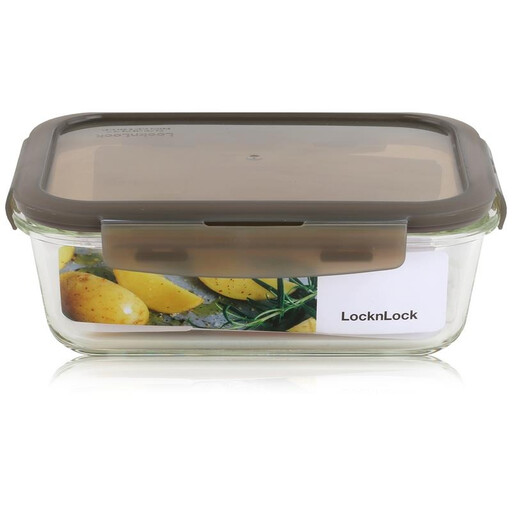
Why This Fits Their Persona: Ideal for individuals who prepare meals in advance and want to move them directly from the fridge to the oven or microwave. Its versatility supports an efficient, health-conscious lifestyle.
Made from borosilicate glass, which is heat-resistant up to 400°C (without the lid), according to the manufacturer. This bypasses the trap of misleading "oven-safe" claims that only refer to the glass itself, not its practical, everyday use.
The 4-sided locking clip system with a silicone gasket ensures an airtight and watertight seal. The material is BPA-free and dishwasher-safe.
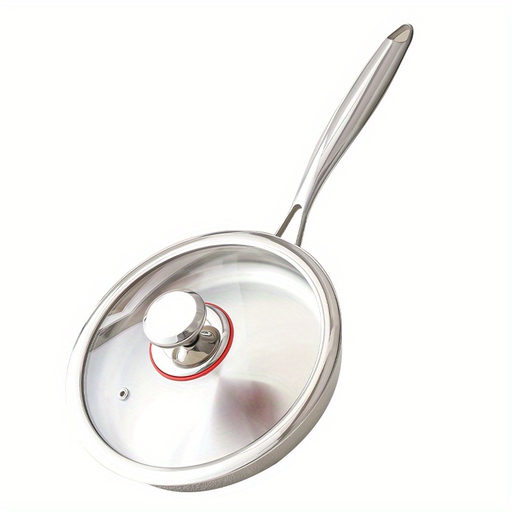
Why This Fits Their Persona: For cooks who value precise temperature control and even searing results. This pan is designed for demanding tasks like searing meat or preparing delicate sauces.
The tri-ply construction (stainless steel-aluminium-stainless steel) ensures rapid and even heat conduction. This solves the problem of inefficiency on induction stovetops, which occurs with pans that have an inferior base.
The pan is suitable for all stovetops, including induction, and is oven-safe according to the manufacturer. The included glass lid allows for visual monitoring while cooking.
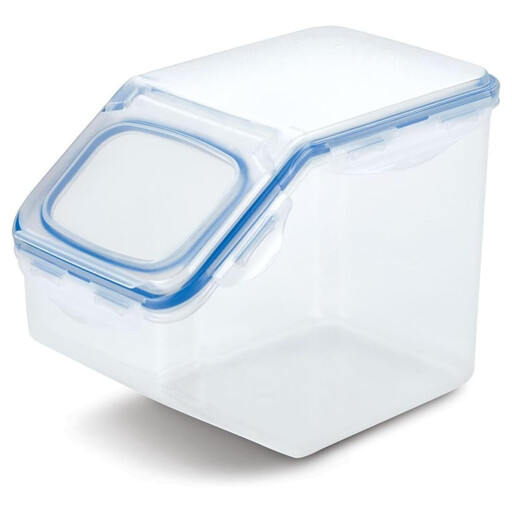
Why This Fits Their Persona: Perfect for storing large quantities of dry goods like flour, rice, or cereal. It supports good kitchen organisation and keeps pantry staples fresh and protected from pests.
Instead of a simple lid, this container features a hinged lid with secure latches and a dual-chamber seal. This offers more reliable protection against moisture and air than many standard storage canisters.
The large 5-litre capacity and transparent body made of BPA-free plastic allow for easy content monitoring. The construction is robust and designed for long-term use.
For specific needs, such as advanced locking mechanisms, we have curated a selection of products that meet strict criteria.
1. How can I tell if a frying pan is truly suitable for induction? A simple test is to hold a magnet to the base of the pan. If the magnet sticks firmly, the base is ferromagnetic and suitable for induction cooktops. Also, look for the official induction symbol (a coil with three loops) on the packaging or the pan's base. The material description "multi-ply" or "tri-ply" is also a good indicator.
2. Are glass or plastic storage containers better for storing food? Both materials have their advantages. Glass storage containers, especially those made of borosilicate glass, are hygienic, do not absorb odours or stains, and are often oven-safe. They are ideal for home storage and reheating food. Plastic containers are lighter, more shatter-resistant, and therefore better for transport, for example, as a leak-proof lunch box. When choosing plastic, look for the BPA-free label.
3. How do I care for the gaskets on my food storage containers to make them last? The silicone gasket is crucial for a tight seal. Regularly remove the gasket from the lid and clean it by hand with warm water and mild dish soap. Allow the gasket and the lid's groove to dry completely before reassembling. This prevents mould growth and ensures the gasket remains flexible and functional. Avoid harsh cleaning agents and washing in the dishwasher at excessively high temperatures, as this can damage the material.