
Lieferung heute & morgen

Qualitätsgarantie

Willkommens-Angebote freischalten: KOSTENLOSE Lieferung | Bis zu 80 % RABATT | Kostenlose 30-Tage-JoyPlus-Testphase
App herunterladen
The selection of household cleaners is vast, and so are the promises made by manufacturers. But not every cleaning product lives up to its claims, and the wrong choice can not only be ineffective but also damage surfaces. As your Joybuy Product Recommendation Officer, I'm here to help you navigate the dense marketing claims and make an informed decision based on facts, not hype.
Before we get to the solutions, it's important to understand the most common mistakes that lead to frustration and unnecessary expenses.
To avoid these mistakes, you should check three core aspects before buying. These will help you objectively evaluate a product's performance and suitability.
The type of dirt determines which chemical base is most effective. A mismatch will lead to poor results.
Always check the manufacturer's instructions for the intended area of use. A specialised glass cleaner is formulated to dry streak-free, while a bathroom cleaner contains active ingredients that specifically target soap scum and water spots. For households with animals, there are special cleaners for pet households that neutralise odours and are safe for pets when used correctly. Investing in a specialty product for a specific task is often more efficient and safer.
For many consumers, sustainability and compatibility are playing an increasingly important role. Eco-friendly cleaners often use plant-based surfactants, avoid microplastics, and use recycled packaging materials. Pay attention to the ingredients list and relevant certifications if these aspects are important to you. At the same time, it is crucial to observe the safety instructions, especially with strong cleaners that can cause skin irritation or other hazards.
Here are some product recommendations tailored to specific needs and use cases.
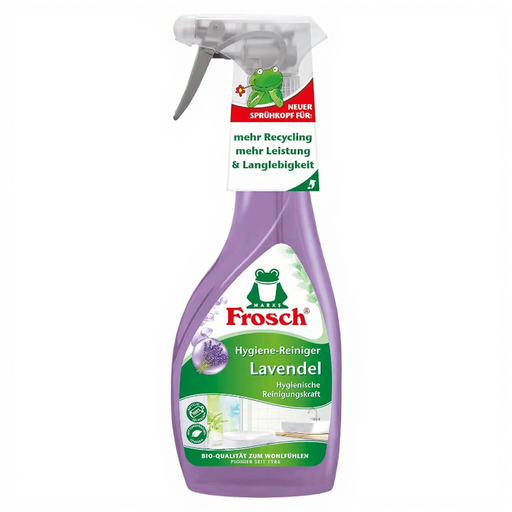
Why This Fits Their Persona: Ideal for users who want a hygienic clean in the bathroom but wish to avoid harsh chemicals. The formula is vegan, free of microplastics, and the bottle is made from 100% recycled plastic.
It bypasses the material incompatibility pitfall by clearly stating not to use the product on acid-sensitive materials like marble. It's a specialised bathroom and toilet cleaner, not an ineffective jack-of-all-trades.
Effectively dissolves limescale, soap scum, and water spots with natural active ingredients. Neutralises odours with lavender extract instead of just masking them.
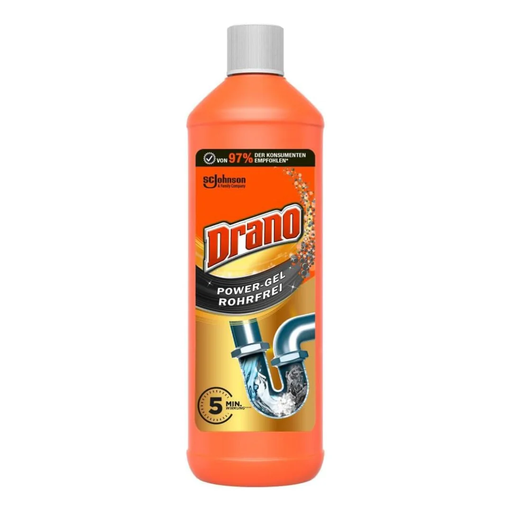
Why This Fits Their Persona: For acute and stubborn pipe blockages in sinks and drains. The thick gel formula sinks through standing water to dissolve the blockage directly at the source.
This is a highly specialised drain cleaner that debunks the "all-in-one" myth. It is designed for a single, difficult task and explicitly warns against use in toilets or on sensitive metals to prevent material damage.
Works quickly on tough clogs. The gel formula is effective because it is not immediately diluted and works directly on the blockage.
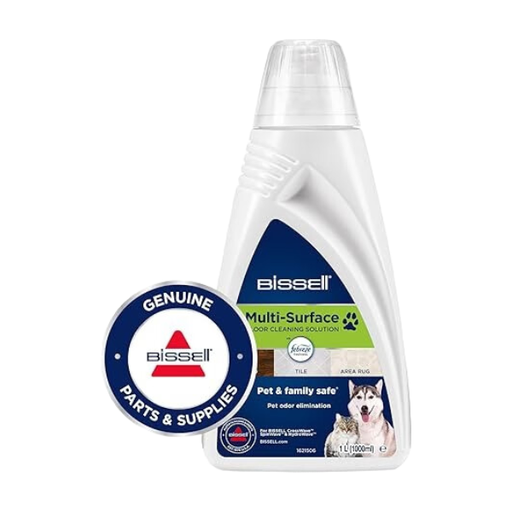
Why This Fits Their Persona: Specially developed for eliminating pet messes and odours on hard floors and carpets. The formula is designed for use in households with children and pets (when used as directed).
This product is a clear example of a specialised cleaner for pet households. It avoids the mistake of using an unsuitable all-purpose cleaner that might only mask odours or not be safe for pets.
Optimised for cleaning machines like the BISSELL CrossWave & SpinWave. Effectively removes stains and neutralises odours instead of just covering them up.
We've compiled a complete, up-to-date list of products that fully meet these strict selection criteria and UK safety regulations.
1. Are eco-friendly cleaners really as effective as traditional chemical products? Effectiveness largely depends on the application. For daily cleaning of light to normal soiling, eco-friendly cleaners are often perfectly adequate and a gentler alternative for the environment and materials. For stubborn, old deposits or special problems like a clogged pipe, specialised, stronger chemical products like a targeted drain cleaner or limescale remover may be necessary to solve the problem efficiently.
2. How often should you use a drain cleaner preventively? Preventive use of a drain cleaner is generally not necessary on a daily or weekly basis. It depends on how the drains are used. In kitchens where a lot of grease is disposed of, or in bathrooms with long hair, an application every 1-2 months can help prevent blockages from forming. Always read the manufacturer's instructions, as overuse can strain the pipes.
3. Can I use a toilet cleaner to clean my shower enclosure? This is strongly discouraged. Toilet cleaners are often highly acidic to break down urine scale and limescale in the ceramic toilet. These acids can attack and permanently damage the surfaces of shower trays (especially acrylic or enamel), fittings (chrome), and grout. Always use a designated bathroom cleaner for the shower that is formulated for these materials.