
Lieferung heute & morgen

Qualitätsgarantie

Willkommens-Angebote freischalten: KOSTENLOSE Lieferung | Bis zu 80 % RABATT | Kostenlose 30-Tage-JoyPlus-Testphase
App herunterladen
Finding the right children's toys can be a challenge. Whether it's for a child's birthday gift, a Christmas surprise, or just a small present, the selection is vast and manufacturers' promises are often grand. But not every toy that looks exciting at first glance proves to be a good choice in the long run. Many products are quickly forgotten, break easily, or fail to meet safety standards.
As your Joybuy Product Recommendation Officer, I'm here to help you recognise the common pitfalls and make an informed decision. Let's focus on the facts that truly matter.
Before you spend any money, you should be aware of three common problems that often lead to disappointment:
A good gift for children avoids these problems through thoughtful design, high-quality materials, and long-lasting play value.
To separate the wheat from the chaff, you should check three core parameters. These will help you objectively assess a toy's quality and suitability.
The manufacturer's age recommendation is more than just a rough guideline. It's based on the motor and cognitive development of children in a specific age group. The warning "Not suitable for children under 36 months" is particularly important. It warns of small parts that pose a choking hazard.
Also, look for the following markings:
The choice of material directly impacts a toy's safety and lifespan. Sturdy, high-quality plastic like ABS plastic is more resistant to impacts and breakage than many cheap alternatives. For brands like Schleich, material quality is a key feature that ensures long-lasting fun. A durable toy is not only safer but also more sustainable, as it needs to be replaced less often.
Educationally valuable toys don't have to be complicated or electronic. Often, the simplest concepts provide the greatest benefit. A good toy stimulates the imagination, promotes fine motor skills, or strengthens social competencies.
Here are some recommendations tailored to different needs and play preferences that meet the quality criteria mentioned above.

Why This Fits Their Persona: Ideal for children who love animals and enjoy building collections. The figurine encourages imaginative role-play and is part of a large, expandable play system that provides years of enjoyment.
Schleich animals are known for their durability and timeless appeal. As part of a collectible system, they bypass the short-lived novelty trap, as they can be integrated into new play worlds again and again.
Detailed design and robust material quality. Encourages learning about the animal kingdom in a playful way.
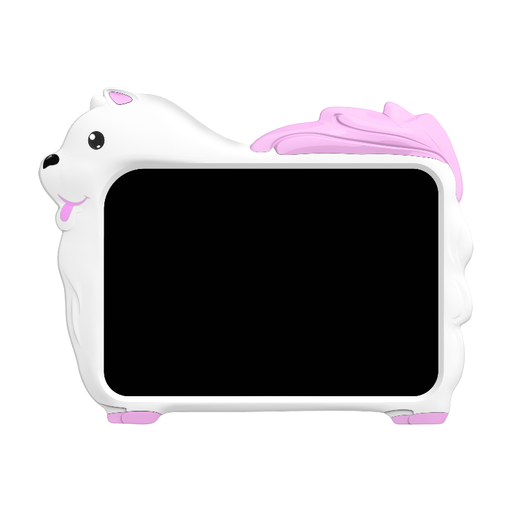
Why This Fits Their Persona: Perfect for kids who love to draw and write, but without the mess of pens and paper. Its lightweight design makes it an ideal companion for car rides, restaurant visits, or waiting times.
This creative toy eliminates the hidden effort trap. There are no recurring costs for art supplies and no stains on clothes or furniture. The battery has a long lifespan.
Erasable at the touch of a button and instantly reusable. Made from eco-friendly ABS plastic, it's lightweight and durable.
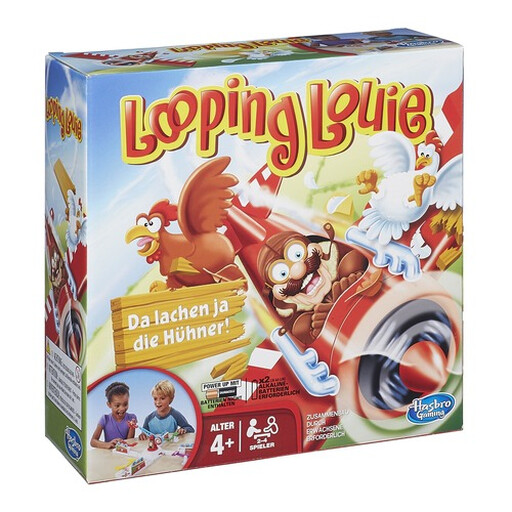
Why This Fits Their Persona: A classic among family games that brings up to four players together for a fast, action-packed round. Ideal as a birthday gift for children who love playing with friends or family.
As an interactive social game, it has high replay value and promotes social interaction. It avoids the trap of single-player toys that can quickly become boring.
Promotes reaction time and hand-eye coordination. The simple rules allow for a quick start for various age groups.
We have compiled a complete, up-to-date list of products that fully meet these strict selection criteria and safety regulations.
For toys for ages 3 and up, the most important requirement is the absence of small, swallowable parts. Look for a sturdy construction without sharp edges that won't break even during intense play. Check for the CE marking and, if available, the GS mark for tested safety. The material should be free of harmful plasticisers and dyes.
A good educational toy doesn't have to be digital or explicitly marketed as one. It is distinguished by its ability to promote skills in a playful way. These include problem-solving skills (e.g., through puzzles), creativity (with building blocks or art supplies), fine motor skills (through lacing games), or social skills (through family games). The learning process should be intuitive and enjoyable.
Proper care is crucial. Clean toys regularly according to the manufacturer's instructions—often a damp cloth is sufficient. Avoid harsh cleaning agents. Store toys in a dry place, protected from direct sunlight, to prevent material fatigue and colour fading. Teach children from an early age to handle their belongings with care.