
Lieferung heute & morgen

Qualitätsgarantie

Willkommens-Angebote freischalten: KOSTENLOSE Lieferung | Bis zu 80 % RABATT | Kostenlose 30-Tage-JoyPlus-Testphase
App herunterladen
Nongshim Instant Noodles are among the best-known products in Korean cuisine. Depending on the variety, the range spans everything from classic spicy broth and kimchi or seafood flavours to creamy Toomba sauce or vegetarian vegetable broth. Their quick preparation is convenient for professionals, students and households that like to keep a supply in the cupboard. Nevertheless, it is worth taking a close look at the ingredients, portion format and pack size before buying.
Names such as “Spicy”, “Hot” or “Shin” indicate the flavour profile, but they do not form a standardised heat scale. A classic Nongshim Shin Ramyun broth, a kimchi variety and a double-spicy special edition can differ considerably. If you are looking for mild Korean instant noodles, do not rely solely on the product image. Pay particular attention to the variety name and ingredients list.
A single 120 g pack cannot be compared with a large ramen multipack containing 20 portions. Cup Noodles and packet products also differ in weight, preparation and storage. A cup is suitable for the office or when you are out and about, while multipacks are generally more practical for regular consumption. Before buying, you should therefore check the total weight, number of units and weight per unit.
Many Korean ramen products contain wheat and soya. Depending on the variety, they may also contain milk, fish, crustaceans, egg, sesame or mustard. “Vegetarian” should not be inferred from green packaging. For Soon Veggie Ramyun products, the available product information lists wheat and soya as allergens; possible traces of other ingredients are also indicated. The packaging remains the definitive source for checking this information.
Read the ingredients list carefully, especially if you are looking for vegetarian instant noodles or need to avoid specific allergens. According to the product information, Nongshim Soon Veggie Ramyun 112 g is described as containing no meat or non-vegetarian ingredients. However, it does contain wheat and soya and may contain traces of other allergens.
Neoguri Ramyun, or seafood varieties, list ingredients including fish, squid, shellfish and prawns. According to the product information, Shin Ramyun Toomba contains milk, cheese ingredients, soya and wheat. These products are therefore not suitable for every diet. Claims such as “halal” or other certifications should only be taken into account when they are specified for the exact pack you have chosen.
Instant noodles are dried products with concentrated seasoning. Depending on the variety, the stated energy values are approximately between 407 and 460 kcal per 100 g. Salt content can also vary considerably: for some products, around 3.2 to 5.2 g of salt per 100 g is stated, for example. With cups, the value per portion may appear different from the value per 100 g.
For an objective comparison, always use the same reference quantity. Additional ingredients such as egg, cheese, meat or oil change the nutritional values of the finished meal. The information on the individual pack is decisive.
Packet ramen is usually cooked in boiling water and takes around four to five minutes, depending on the variety. A cup generally only requires hot water and a waiting time of approximately three to four minutes. With the Toomba variety, some of the water is drained off after cooking and the sauce is then mixed in.
A cup can be advantageous in the office, library or when travelling, provided hot water is available. Packets are better suited to preparing meals at home, as you can add vegetables, egg or tofu. All varieties should be stored in a cool, dry place away from direct sunlight. The best-before date is shown on the relevant packaging.
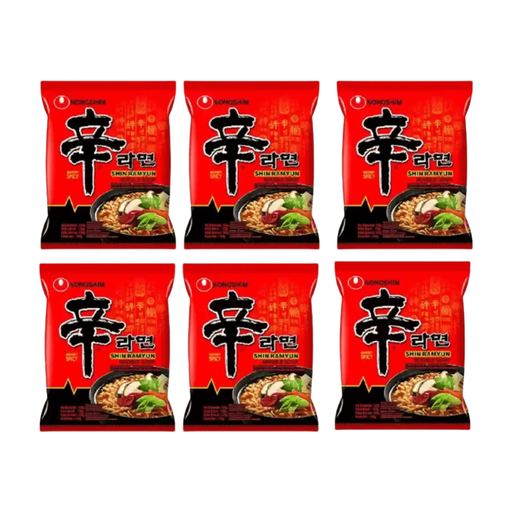
Why this product suits this profile: The six-pack contains six individual portions of classic spicy ramen, making it a good introduction to Nongshim Instant Noodles.
The weight per unit and total quantity are clearly stated, so the pack is not confused with a large box.
Six packet portions, prepared in a saucepan, with classic seasoning and vegetable and mushroom flakes.
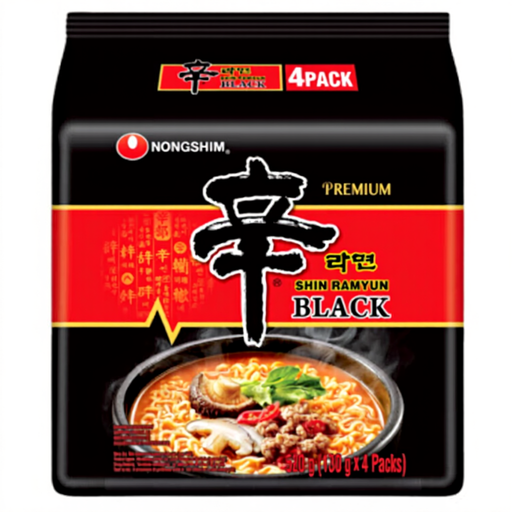
Why this product suits this profile: This variety combines individual 130 g portions with a detailed broth blend and additional ingredients such as mushrooms and vegetables.
The pack highlights allergens including wheat, soya, sesame, egg, fish and crustaceans.
Four 130 g portions and a broth based on bone, vegetable and spice ingredients, according to the product description.
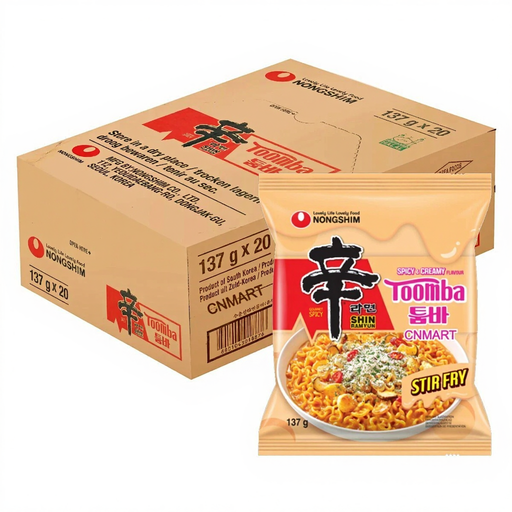
Why this product suits this profile: The large pack with 20 individual portions is aimed at households and frequent consumers who want to keep a supply of creamy, spicy Toomba ramen.
The 20 x 137 g quantity is shown as a total of 2.74 kg, reducing the risk of confusing a single pack with a large multipack.
Creamy sauce with milk and cheese powder; preparation involves partially draining the water and then mixing everything together.
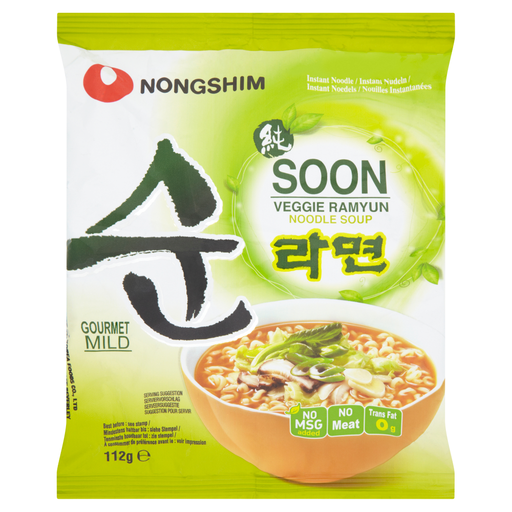
Why this product suits this profile: The product description refers to a vegetable broth without meat or non-vegetarian ingredients, appealing to shoppers looking for a plant-based option.
The ingredients and allergen information makes it clear that, although the product is described as vegetarian, it contains wheat and soya.
A 112 g portion with vegetable flakes such as pak choi and carrot; according to the product information, it is ready in just a few minutes.
We have put together a complete, regularly updated list of products that fully meet these strict selection criteria and the safety regulations applicable in the EU.
For packet products, the noodles and seasoning are usually cooked in boiling water. Depending on the product, around 450 to 550 ml of water and four to five minutes of cooking time are required. Cups are filled with boiling water up to the marked line and often need approximately three to four minutes. Always follow the instructions on the relevant packaging.
The best-before date is printed on the pack. Unopened products should be stored in a cool, dry place away from direct sunlight. Instant noodles should be eaten immediately after preparation. An opened pack should not be left unprotected for an extended period.
For regular consumption, multipacks such as 20 x 120 g, 20 x 123 g or 20 x 137 g are a practical choice. If you would first like to compare different flavours such as Kimchi Ramyun, Neoguri Ramyun, Chapagetti or Soon Veggie Ramyun, you can start with smaller packs of 4, 5 or 6. This lets you assess the spiciness, ingredients and preparation format before buying a large multipack.