
Lieferung heute & morgen

Qualitätsgarantie

Willkommens-Angebote freischalten: KOSTENLOSE Lieferung | Bis zu 80 % RABATT | Kostenlose 30-Tage-JoyPlus-Testphase
App herunterladen
The right baking pan is the foundation for every successful cake, every crusty loaf of bread, and every delicate pastry. But the market is confusing, and many products don't live up to their promises. As your Joybuy Product Recommendation Officer, I'm here to separate the facts from the marketing hype and show you what really matters when making your choice, so you can make a well-informed decision.
Before we dive into the features of good bakeware, let's look at the most common problems that lead to frustration in the kitchen. A smart selection will save you not only money but also the disappointment of failed baking results.
To avoid the problems mentioned above, you should check three essential aspects before buying. These define the quality, durability, and functionality of your future bakeware.
The material is the primary determinant of heat conduction and the pan's stability.
A good non-stick effect is essential. The quality of the coating determines its longevity.
The pan must be designed for its intended purpose.
Here are some recommendations tailored to different needs and use cases that meet the quality criteria mentioned.
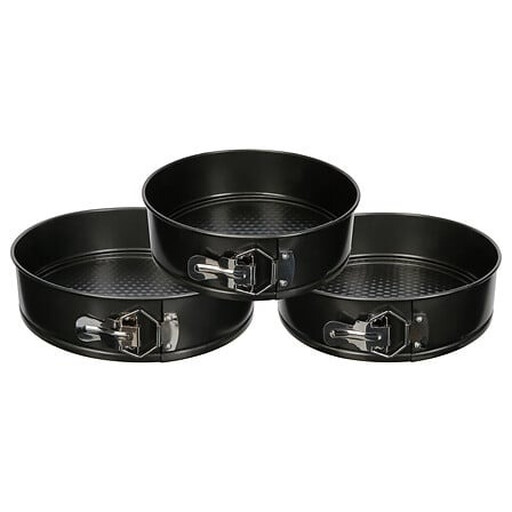
Why it's a match: Ideal for anyone building their bakeware collection. This set covers most standard recipes for round cakes and cake bases with three common sizes (22, 24.5, and 26 cm) without requiring a large initial investment.
The steel construction provides solid stability and prevents the warping common in no-name products. The locking mechanism is reliably designed for its price point.
The set offers great flexibility for different cake sizes. The pans are stackable, saving valuable space in your kitchen cabinet.

Why it's a match: For those who bake regularly and value durability and perfect results. Especially suitable for demanding bread doughs like sourdough, but also for moist pound cakes.
The KAIRAMIC dual-ceramic coating and enamelled base are extremely resistant to wear and acid. The thick steel material prevents any warping.
Extremely durable and robust. The base is cut-resistant, so cakes can be sliced directly in the pan. Its suitability for sourdough is a clear mark of quality.
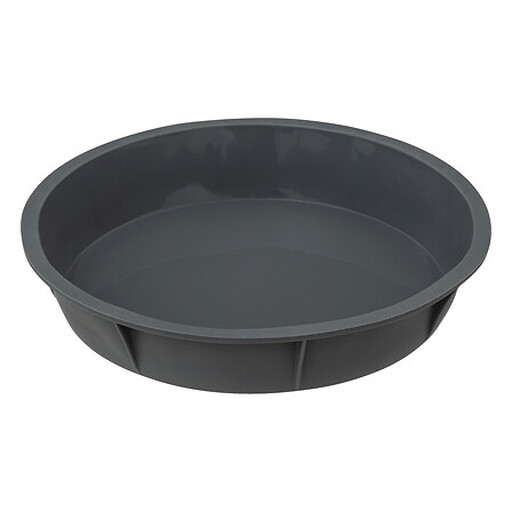
Why it's a match: Perfect for bakers who love to experiment—from classic pound cakes and quiches to chilled mousses or frozen desserts. The flexibility of the material opens up new creative possibilities.
High-quality food-grade silicone completely prevents sticking and makes releasing even delicate creations effortless. It is dimensionally stable and does not warp.
The mold is suitable for the oven, microwave, and freezer. After use, it can be easily rolled up for space-saving storage. It is also dishwasher-safe.
We have compiled a complete, up-to-date list of products that fully meet these strict selection criteria and German safety regulations.
1. How do I properly care for non-stick bakeware to extend its lifespan? Proper care is crucial. After it cools, clean the pan by hand with warm water, a mild dish soap, and a soft sponge. Avoid abrasive scouring pads and metal utensils, as these will damage the coating. Most non-stick pans are not suitable for the dishwasher.
2. Is silicone bakeware food-safe and harmless? Yes, as long as it is made of high-quality material. Look for products made from 100% food-grade silicone that complies with LFGB standards in Germany. These are free of plasticizers and harmful substances and do not release any hazardous materials into the baked goods, even at high temperatures. Cheap silicone molds may contain fillers that can smell when heated.
3. Can I use a springform pan for liquid batters without it leaking? This largely depends on the quality and construction of the springform pan. A precisely closing latch and a well-fitting base are essential. For very liquid batters, such as in some cheesecake recipes, it can help to tightly wrap the outside of the closed pan with aluminum foil as an extra precaution.