
Lieferung heute & morgen

Qualitätsgarantie

Willkommens-Angebote freischalten: KOSTENLOSE Lieferung | Bis zu 80 % RABATT | Kostenlose 30-Tage-JoyPlus-Testphase
App herunterladen
A high-quality coated frying pan is the foundation of any well-equipped kitchen. It promises effortless, low-fat cooking and quick cleanup. But reality often tells a different story: after just a few months, fried eggs start to stick, the coating peels, and the once-expensive pan ends up in the bin. This is often due to exaggerated marketing promises and hidden defects that aren't apparent at the time of purchase.
As your Joybuy Product Recommendation Officer, I'm here to help you identify these pitfalls. We'll focus on the facts so that your next non-stick pan becomes a durable and worthwhile investment.
The 3 Most Common Traps When Buying a Pan:
To avoid a bad purchase, you should carefully examine three technical features. These determine the longevity, cooking performance, and safety of your new pan.
The type of non-stick coating is the core of the pan. The most common types are:
The base is especially crucial for a pan for induction. A fully clad, ferromagnetic stainless steel base ensures optimal energy transfer and prevents the typical buzzing or uneven heating. Make sure the diameter of the base matches the size of your cooking zone. A solid base also contributes to stability and makes the pan more durable.
The ability to use a pan in the oven significantly expands your cooking options—for example, for gratins or keeping food warm.
Instead of making a one-size-fits-all recommendation, we have selected products for specific user profiles.

Why This Fits Their Persona: Ideal for daily use from breakfast to dinner. The 26 cm size is versatile, its light weight makes it easy to handle, and its induction compatibility covers modern kitchens without breaking the bank.
The aluminium body ensures fast, even heating on induction hobs, avoiding the typical performance issues of cheaper models. The non-stick coating is designed for low-fat cooking without making exaggerated claims of scratch resistance.
Lightweight and easy to handle. Fast heat-up and straightforward cleaning make it a practical tool for the fast-paced kitchen.
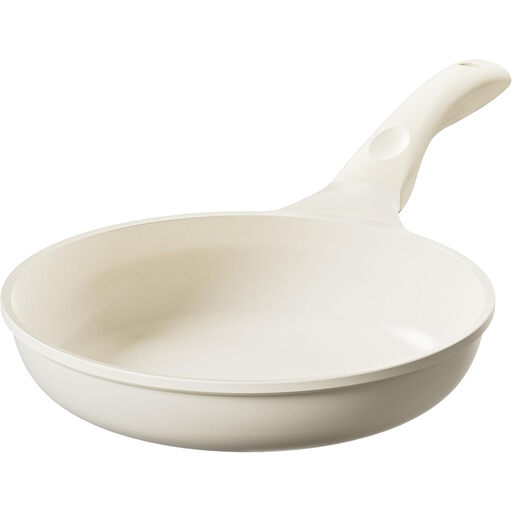
Why This Fits Their Persona: Perfect for anyone who wants to consciously avoid PTFE and PFAS. The ceramic coating enables healthy cooking, while the fast and even heat distribution ensures perfect results for vegetables, fish, or egg dishes.
This model bypasses the "PFOA-free" loophole by using a completely PTFE- and PFAS-free ceramic coating. This offers maximum transparency for health-conscious consumers.
Toxin-free ceramic coating (PTFE/PFOA/PFAS-free). The pan is suitable for all hob types, including induction, and is dishwasher-safe for easy cleaning.
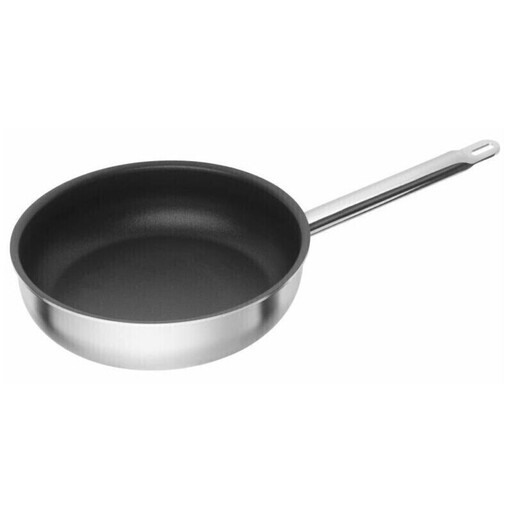
Why This Fits Their Persona: For those who want to do more than just fry. The 28 cm size is suitable as a 28 cm braiser pan for sauces and larger dishes. Its oven-safe properties and excellent heat distribution allow for techniques like searing on the hob and then finishing in the oven.
The SIGMA Clad 3-layer construction with an aluminium core ensures exceptionally even heat distribution from the base to the rim. This prevents the typical "hot spots" and performance drops on induction hobs.
Oven-safe up to 230°C for maximum flexibility. The robust Duraslide Ultra non-stick coating is durable and PFOA-free. The riveted stainless steel handle stays cool for a long time on the hob.
We've compiled a complete, up-to-date list of products that fully meet these strict selection criteria and German safety regulations.
Proper care is crucial. Clean the pan by hand with a soft sponge and mild washing-up liquid, even if it's labelled dishwasher-safe. Absolutely avoid steel wool or abrasive cleaners. Only use wooden, silicone, or plastic cooking utensils. Never heat the pan empty on the highest setting, and let it cool down completely before washing to prevent thermal shock.
The induction symbol (a coil) is the basic requirement. For good performance, look for a thick, solid base. A simple test: hold a magnet to the bottom of the pan. If it sticks strongly and across the entire surface, the magnetic conductivity is good. The pan should also lie completely flat on the hob to transfer energy optimally.
Yes, ceramic pans are a very good alternative, especially for users who want to avoid all types of PFAS. They are often heat-resistant to higher temperatures, making them ideal for searing. However, their non-stick properties can diminish more quickly than high-quality, reinforced PTFE coatings if handled improperly (overheating, thermal shock). The choice ultimately depends on your personal priorities regarding materials and maintenance.