
Lieferung heute & morgen

Qualitätsgarantie

Willkommens-Angebote freischalten: KOSTENLOSE Lieferung | Bis zu 80 % RABATT | Kostenlose 30-Tage-JoyPlus-Testphase
App herunterladen
The variety of Asian noodles is impressive, but it can also be overwhelming when shopping. From thick udon noodles and classic ramen to low-calorie konjac varieties, each type has its own unique characteristics and is suited for different dishes. This guide is designed to help you make an informed decision that aligns with your cooking style, schedule, and nutritional goals. We'll introduce you to various types and provide specific product recommendations.
To find the perfect noodles for your kitchen, consider three simple criteria: intended use, ingredients, and preparation time.
The occasion determines the noodle. Are you looking for the base for an authentic dish, a quick meal, or a dietary alternative?
A glance at the label provides crucial information. Most Asian noodle varieties are wheat-based, but there are also versions made from buckwheat (soba), rice, or, in the case of konjac noodles, flour from the konjac root. Pay close attention to the ingredients list, especially if you have allergies or intolerances (e.g., wheat, soy). The nutrition facts panel reveals the calorie, carbohydrate, fat, and protein content, which is particularly relevant for health-conscious consumers.
The time required for preparation varies significantly. While dried noodles typically need to be boiled for several minutes, many fresh or pre-cooked varieties (like some udon or konjac noodles) are ready to serve after a brief heating. These ready-to-use options are ideal when preparation time is a key factor.
Based on the criteria above, we have curated a selection of products that cater to different needs.
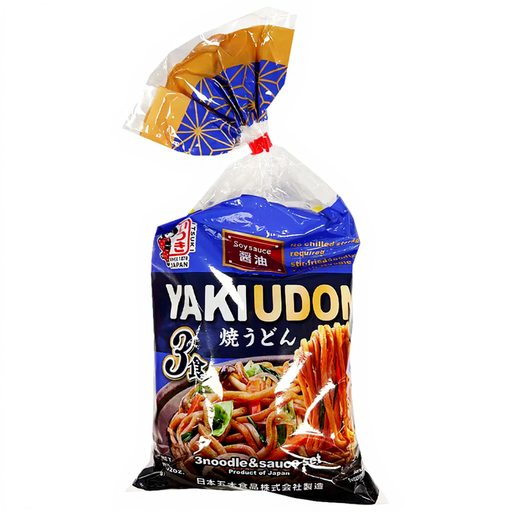
Why It Stands Out: This product offers an all-in-one package for preparing yaki udon, a classic Japanese stir-fried noodle dish. It includes both the pre-cooked noodles and the corresponding seasoning sauce.
Pros:
Who It's For: Ideal for fans of Japanese cuisine who want to prepare an authentic and quick noodle dish without spending a lot of time on sauce preparation.
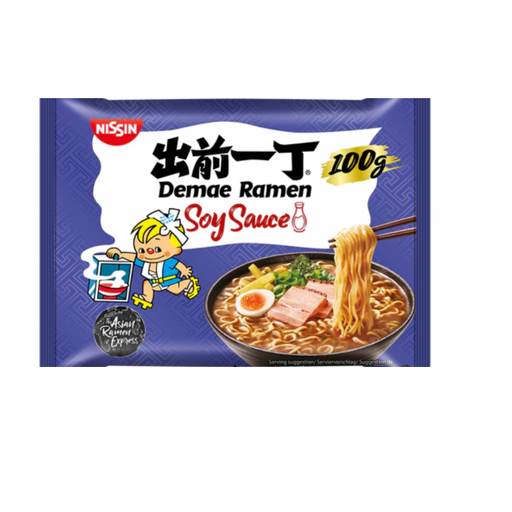
Why It Stands Out: A classic among instant ramen, Nissin Demae represents a quick, straightforward, and flavorful meal. The "Tokyo Soy" variety is based on the traditional soy sauce flavor profile.
Pros:
Who It's For: Perfect for professionals, students, and anyone looking for a reliable solution for a quick and warming meal.
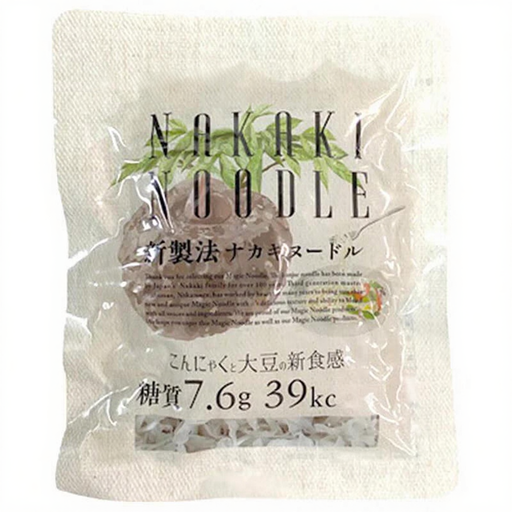
Why It Stands Out: This noodle alternative was specifically developed for a calorie- and carbohydrate-conscious diet. The blend of konjac and soy provides a more pleasant texture and a more neutral odor compared to pure konjac products.
Pros:
Who It's For: An excellent choice for health-conscious individuals, people following a ketogenic or calorie-reduced diet, and diabetics looking for an alternative to traditional noodles.
The world of Asian pantry staples is vast and diverse. If the products featured here aren't exactly what you're looking for, or if you'd like to expand your collection with other noodle varieties, rice, or soy products, we offer a broader selection.
Discover our entire range in the Soy & Rice category.
The main difference lies in their thickness and texture. Udon noodles are thick, soft, and chewy, made from wheat flour and saltwater. They have a neutral flavor and are well-suited for robust broths and stir-fries. Ramen noodles are typically thinner, more elastic, and often slightly wavy. They get their characteristic texture from the addition of an alkaline solution (kansui) to the wheat dough. They are served almost exclusively in soups.
Yes, konjac noodles are exceptionally low in calories. They consist mainly of water and glucomannan, a soluble fiber from the corm of the konjac plant. This fiber is barely digestible by the human body, which is why the noodles contain virtually no calories or absorbable carbohydrates. The Nakaki product featured here is declared by the manufacturer as having 0 kcal per 100g.
Storage depends on the type of noodle: