
Lieferung heute & morgen

Qualitätsgarantie

Willkommens-Angebote freischalten: KOSTENLOSE Lieferung | Bis zu 80 % RABATT | Kostenlose 30-Tage-JoyPlus-Testphase
App herunterladen
The selection of Asian noodles on the shelf or online can be overwhelming. From paper-thin to extra-wide, made from wheat or other ingredients, finding the right type for your intended dish isn't always easy. This guide is designed to help you make an informed decision when you want to buy authentic Chinese noodles. We'll introduce different types and provide you with objective criteria to find the perfect noodles for your kitchen.
My name is Joybuy, and as a Product Recommendation Officer at Joybuy, my job is to provide you with clear, objective product information so you can find exactly what you're looking for.
Before you decide on a product, the following points can help with your selection.
The shape of the noodle is crucial for its mouthfeel and how well it absorbs sauce.
The quality of Asian wheat noodles is largely determined by the ingredients and the production method.
When you order Asian noodles online, you'll often find a wider selection of pack sizes.
Here is a selection of noodle varieties that cater to different needs and preferences.
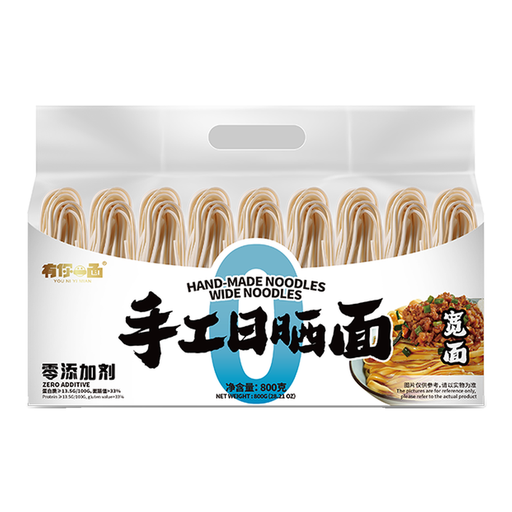
Why It Stands Out These noodles are artisanally produced using a patented process. According to the brand You Ni Yi Mian, the dough undergoes a process of three resting periods and nine rounds of rolling before being sun-dried for eight hours. The noodles are made without any additives in the dough and use wheat sourced from a global premium wheat-growing region.
Pros
Best For Cooks who value authentic, high-quality noodles with a distinct, firm bite and enjoy preparing hearty sauced dishes or stir-fries.
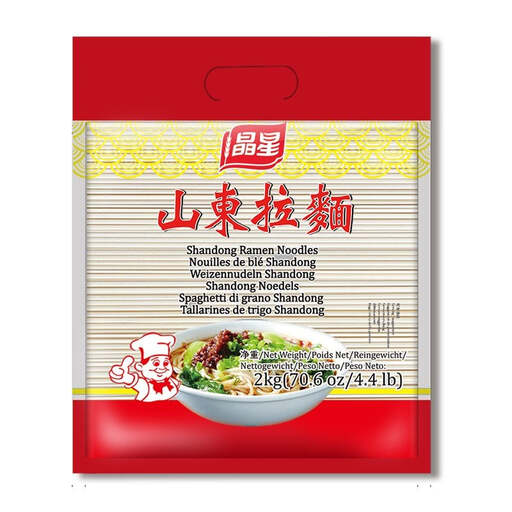
Why It Stands Out These Shandong-style noodles stand out for their traditional recipe and very large pack size. At 2 kg, this product is designed for stocking up for families or for frequent use.
Pros
Best For Ideal for families, flat-sharing communities, and anyone who cooks Asian food regularly and wants to maintain a reliable supply of staple noodles.
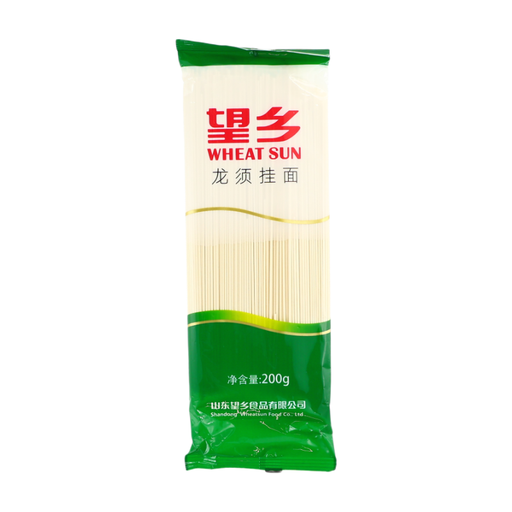
Why It Stands Out The name "Dragon Beard noodles" describes the exceptionally fine and thin shape of this noodle variety. They are significantly more delicate than most other wheat noodles and have a correspondingly short cooking time.
Pros
Best For Those who prefer quick and light meals, especially clear soups where the noodle is meant to be a delicate component.
These three products represent just a small sample of the available variety. If you are looking for other types, especially artisanal varieties, you can find a wider selection in our Hand-Pulled Noodles category.
1. What is the difference between Chinese noodles and Mie noodles? The term Mie noodles (or Bami) comes from Indonesian and originally refers to wheat noodles. It is often associated with the pre-cooked and fried noodle nests that can be prepared quickly. Fundamentally, however, Mie noodles are a type of Asian wheat noodle, and the term is also sometimes used more generally for Chinese egg or wheat noodles.
2. How do I properly store opened packs of dry Asian noodles? After opening, dry noodles should be stored in an airtight container in a cool, dry place. Avoid direct sunlight and moisture to preserve their freshness and texture. Stored this way, they can last for many months.
3. Can I use any Chinese noodles for stir-fry dishes? In theory, yes, but some varieties are better suited than others. Firmer, more elastic noodles, such as wide noodles or products specifically labelled as noodles for stir-fries, are less likely to fall apart during the rapid stirring and tossing over high heat. Very thin noodles can quickly become mushy or break in a wok.