
Lieferung heute & morgen

Qualitätsgarantie

Willkommens-Angebote freischalten: KOSTENLOSE Lieferung | Bis zu 80 % RABATT | Kostenlose 30-Tage-JoyPlus-Testphase
App herunterladen
If you want to buy nougat, you’ll find far more online than classic chocolates. The choice includes nut nougat spread, nougat pralines, nougat bars, nougat chocolate, biscuits, muesli and even protein bars with nougat flavour. However, the wide variety can make comparisons difficult: an attractively designed product may not necessarily suit your intended use, dietary needs or household size.
The term can refer to a range of different products. Classic hazelnut nougat pralines often contain nuts, cocoa, milk ingredients and sugar. Nut nougat spread, by contrast, is designed as a bread spread and may also contain vegetable oils, depending on the recipe. In nougat bars or Dutch nougat, glucose syrup, puffed rice and chocolate coatings may determine the composition.
If you only look for terms such as “hazelnut” or “chocolate” on the front, you may overlook the actual order of the ingredients. In Germany, ingredients are generally listed by weight. If sugar appears first, it is the main ingredient by quantity.
Bulk packs can be practical for families, parties or regular snacking. For a small household, however, a large quantity may be unsuitable if the product loses quality after opening or is stored for too long. A jar of nut nougat spread should be sealed tightly again after opening. Biscuits and chocolate need to be stored in a dry place away from heat.
For a fair price comparison, you should therefore look not only at the pack price, but also at the price per 100 grams.
Nougat sweets often contain hazelnuts, almonds, milk or soya. Depending on the recipe, they may also contain gluten, egg, peanuts or other nuts. Even a statement such as “May contain traces of …” is relevant for people with allergies. The ingredient and allergen information on the product packaging remains decisive, as recipes can change.
First, consider when and how you want to use the nougat:
The stated percentage of specific ingredients makes comparisons easier. For example, the Lindt Für Kenner Nougat Pralines contain 20% hazelnuts and 6% almonds. According to the product information, Zentis Belmandel Creamy Almond Nougat Spread contains 13% almonds. With a hazelnut-flavoured spread, you should check whether hazelnuts are actually included as an ingredient or whether the flavour mainly comes from an added flavouring.
A higher nut content is not a universal measure of quality, but it can make the flavour, consistency and composition easier to understand.
When comparing products per 100 grams, pay particular attention to energy, fat, saturates, carbohydrates, sugars and salt. As you would expect, the figures for confectionery cannot be compared directly with those of staple foods. Nevertheless, they can help with product selection and portion planning.
With protein bars, you should also check the protein and polyol content. According to the product information, the ESN Protein Designer Bar Hazelnut Nougat provides 14 g of protein per 45-g bar. At the same time, it contains sweeteners and polyols. Excessive consumption of polyols can have a laxative effect. The information on the packaging should therefore be taken into account.
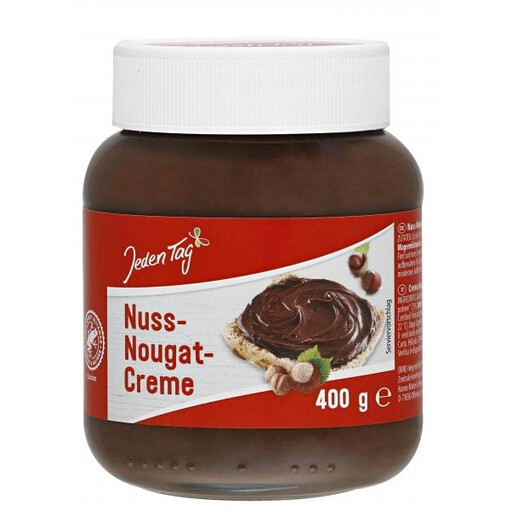
Why this product suits this profile: The 400-g jar is designed for breakfast, baking and occasional snacks, providing a generous quantity for everyday use.
The product information states that it contains 13% hazelnuts, as well as the allergens hazelnuts, milk and soya. This makes it easier to check the recipe carefully before buying.
400-g pack; according to the product information, suitable for storage at room temperature and intended for bread, toast, pancakes and desserts.
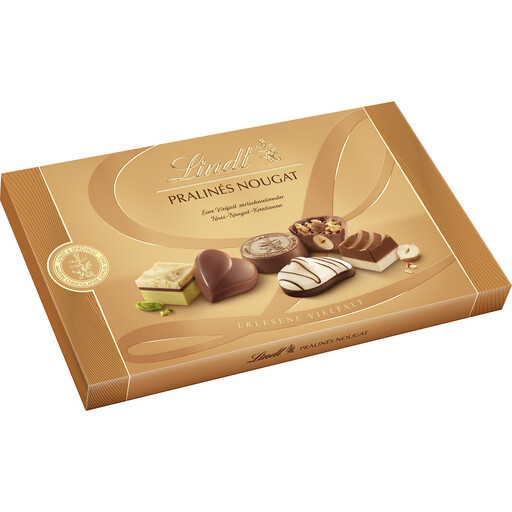
Why this product suits this profile: The praline collection is suitable for enjoying in individual portions and for giving as a gift. The stated hazelnut and almond content makes the recipe easier to compare.
The pack size is 200 g; it also specifies 20% hazelnuts and 6% almonds. The allergens milk, soya and gluten are clearly listed.
200-g collection; according to the product information, “Made in Germany”; seal tightly after opening and store in a cool, dry place.
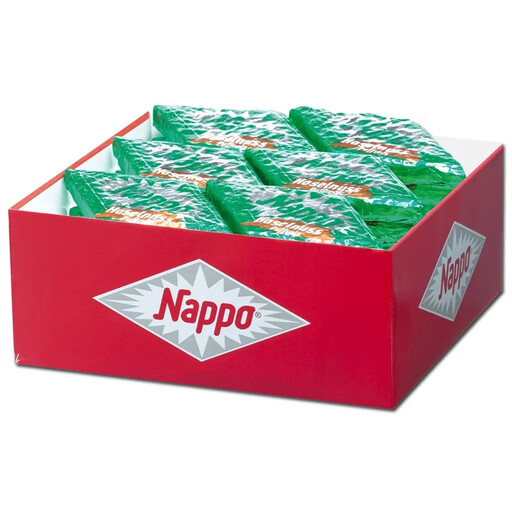
Why this product suits this profile: The bulk pack of 30 bars weighing 40 g each is aimed at households, offices, parties or anyone who needs individual portions for eating on the go.
The total quantity and individual portions are clearly stated. This makes it easier to plan your stock than with an undivided bulk pack.
1,200 g total weight; 30 individually sized bars; according to the product information, made with 20% dark chocolate, 3.2% hazelnuts and 0.9% puffed rice.
We have put together a complete, regularly updated list of products that fully meet these strict selection criteria and the safety regulations applicable in the EU.
For breakfast, nougat muesli and filled cereals are alternatives to spreads. According to the product information, Dr. Oetker Vitalis Crunchy Nougat Chocolate Muesli contains 50% wholegrain oat flakes and 10% nougat milk chocolate. If you prefer biscuits, you can check the stated filling content: according to the information provided, Jeden Tag Hazelnut Nougat Biscuits contain 28% hazelnut cream filling and 15% dark chocolate.
For a portioned alternative with a higher protein content, ESN Protein Designer Bar Hazelnut Nougat is listed in a box containing 12 bars weighing 45 g each. Here, you should check for milk, soya and hazelnut allergies, as well as the polyol content.
A praline selection such as the Lindt Für Kenner Nougat Praline Collection is intended for gifting thanks to its presentation box and individually portioned pieces. Before buying, check the shelf life, allergens and storage instructions.
Most of the products mentioned should be kept cool, dry and protected from direct heat. Nut nougat spread is not usually refrigerated unless the product information states otherwise. Opened packs and jars should be sealed tightly.
The specific best-before date is shown on the packaging. After opening, the consistency and flavour may change more quickly. Biscuits, pralines and bars should therefore be stored in a dry place and consumed soon after opening.