
Lieferung heute & morgen

Qualitätsgarantie

Willkommens-Angebote freischalten: KOSTENLOSE Lieferung | Bis zu 80 % RABATT | Kostenlose 30-Tage-JoyPlus-Testphase
App herunterladen
As a Joybuy Product Recommendation Officer, I see countless products every day. My job is to cut through the marketing noise and give you practical advice so you can make informed decisions. This is especially important with nourishing oils, as the market is full of promises that aren't always kept.
Many people reach for a nourishing oil hoping for intense moisture, only to be disappointed by a greasy film, clogged pores, or a lack of results. This is often due to three common purchasing pitfalls that are easy to avoid.
Pitfall 1: The "One-Oil-Fits-All" Myth. A heavy body oil has no place on delicate facial skin. The molecular structure, comedogenicity rating (more on that later), and formulation must match the application area. A universal oil is rarely the optimal solution.
Pitfall 2: Misleading "Natural" Labels. A product advertised as being "with argan oil" can still consist mainly of cheap fillers like silicones or mineral oil. The advertised active ingredient is then often found at the very end of the ingredients list.
Pitfall 3: The Wrong Oil Base for Your Skin Type. Not every natural beauty oil is suitable for everyone. Coconut oil, for example, can clog pores in acne-prone skin, while jojoba oil is structurally very similar to the skin's own sebum and is often better tolerated.
You don't need to be a chemist to make the right choice. It's enough to pay attention to three core parameters that determine the suitability of a nourishing oil.
The comedogenicity rating indicates how likely an ingredient is to clog pores. The scale ranges from 0 (non-comedogenic) to 5 (highly comedogenic). If you are looking for a facial oil, especially for combination or oily skin, you should opt for oils with a low rating.
The product category already reveals a lot about the formulation. The differences are technical and crucial for the effect:
The International Nomenclature of Cosmetic Ingredients (INCI) lists all components in descending order of their concentration. The first five ingredients usually make up the bulk of the product. If your desired oil (e.g., Simmondsia Chinensis Seed Oil for jojoba oil) is in the first or second position, it is a highly concentrated product. If it's far down the list, its concentration is low.
Based on these objective criteria, we have selected a few products from our range that suit different needs and users.
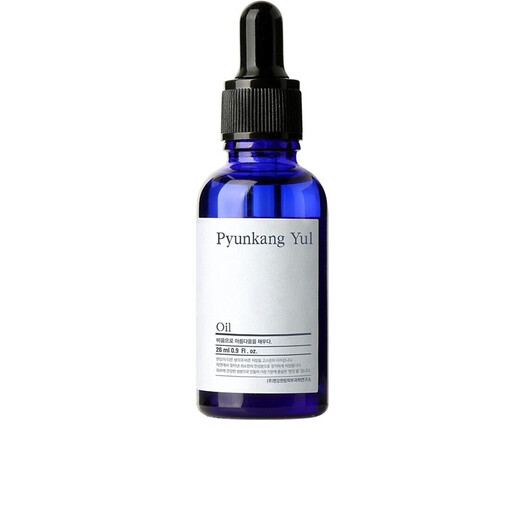
Why This Fits Their Persona: Ideal for users who value a minimalist and transparent formulation. This facial oil focuses on the essentials and is designed for all skin types, including sensitive skin.
It bypasses the pitfall of misleading ingredients with an extremely short INCI list of just eight natural beauty oils. Jojoba seed oil is listed first, guaranteeing a high concentration of the main active ingredient.
The lightweight, fast-absorbing formula leaves no greasy feeling. The base of jojoba and sunflower oil is non-comedogenic, making it suitable even for blemish-prone skin.
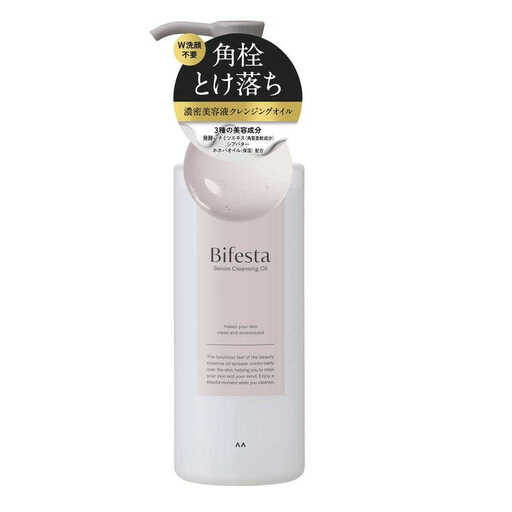
Why This Fits Their Persona: Perfect for anyone looking for a quick yet thorough solution for daily makeup removal. This product combines cleansing and care in one straightforward step.
It debunks the "one-oil-fits-all" myth by being designed as a specialised cleansing oil. The formulation with emulsifiers is explicitly designed to be washed off with water, something a pure nourishing oil cannot do.
Effectively removes makeup without drying out the skin. The convenient pump dispenser allows for clean and measured application in your daily routine.
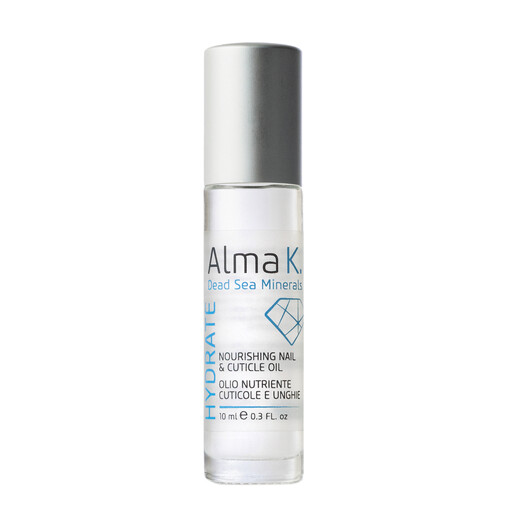
Why This Fits Their Persona: A targeted solution for individuals who want to treat dry cuticles and brittle nails. The compact format is ideal for use at home and on the go.
This nail oil is a specialty product, demonstrating that a general body oil is often too imprecise and not rich enough for the delicate nail area. It underscores the need for purpose-built formulations.
The roll-on applicator allows for precise and clean application. The formula with grapeseed and jojoba oil intensively nourishes the cuticles and supports a well-groomed appearance for your nails.
We have compiled a complete, up-to-date list of products that fully meet these strict selection criteria and safety standards.
No, that is not recommended. A body oil is often richer and may contain oils with a higher comedogenicity rating, which can lead to blemishes on facial skin. A dedicated facial oil is formulated for more sensitive skin, typically absorbs faster, and is based on non-comedogenic oils.
Look at the first five entries on the INCI list. For a high-quality oil, the nourishing plant oils (e.g., Simmondsia Chinensis Seed Oil for jojoba oil, Argania Spinosa Kernel Oil for argan oil) should be listed here, not water (Aqua), alcohol, or silicones (e.g., Dimethicone).