
Lieferung heute & morgen

Qualitätsgarantie

Willkommens-Angebote freischalten: KOSTENLOSE Lieferung | Bis zu 80 % RABATT | Kostenlose 30-Tage-JoyPlus-Testphase
App herunterladen
Navigating the world of nourishing shampoos can quickly become overwhelming. The shelves are filled with products promising miraculous results, but vague marketing messages and overhyped ingredients often lead to poor purchases. As your Joybuy Product Recommendation Officer, I'm here to help you identify these pitfalls and make an informed decision based on your hair's actual needs.
Many consumers invest in products that don't suit their hair type because they fall for common advertising strategies. Here are two of the most frequent mistakes:
To make the right choice, it's crucial to understand the fundamental parameters of a shampoo and match them to your individual hair profile.
Instead of being swayed by packaging designs, you should focus on two decisive factors: the blend of active ingredients and the type of cleansing agents used.
A shampoo's effectiveness depends on ingredients tailored to a specific hair need.
Surfactants are the active cleansing substances in a shampoo. Their job is to remove dirt and excess oil. However, there are significant differences in how they work.
A quick look at the ingredients list helps you determine if the formulation is suitable for your sensitivity level.
Based on the criteria mentioned, we have identified several products that offer a suitable solution for different user profiles.
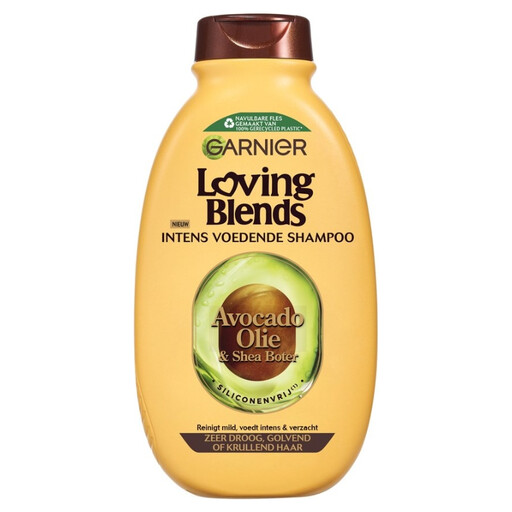
Why it's a match: This formulation is ideal for those whose hair needs intense moisture and nutrients. The combination of avocado oil and shea butter is specifically designed to combat dryness and frizz, making hair softer and more manageable.
Instead of making a vague "all-in-one" promise, this shampoo clearly focuses on solving one problem: providing intensive nourishment for very dry hair.
The formula deeply nourishes the hair without weighing it down, leaving it feeling soft and supple.
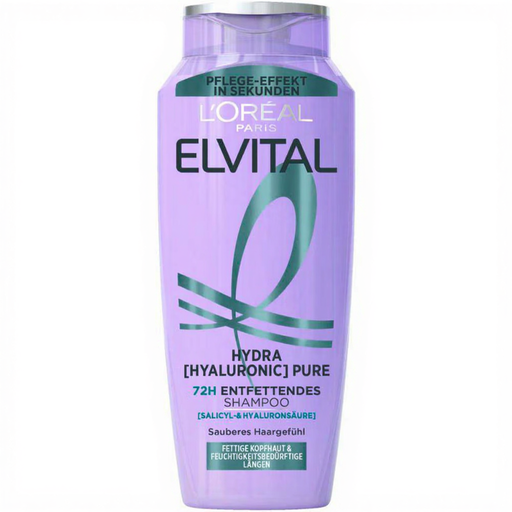
Why it's a match: This shampoo addresses the common dilemma of oily roots combined with dehydrated lengths. It's designed for individuals who need a thorough scalp cleanse without drying out the rest of their hair.
It relies on a smart combination of active ingredients: salicylic acid to purify the scalp and hyaluronic acid to hydrate the lengths. This is a targeted solution, not a vague "balancing" promise.
According to the manufacturer, the formulation provides up to 72 hours of oil control while leaving hair hydrated and refreshed.
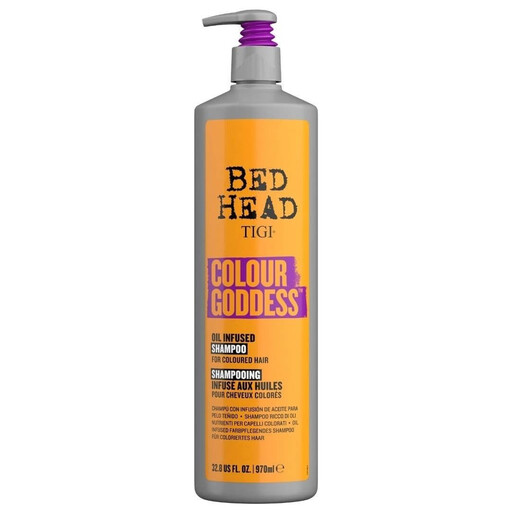
Why it's a match: For users with colour-treated hair who prioritise colour retention and repair. The formula is engineered to protect colour vibrancy while nourishing and strengthening hair that has been stressed by chemical treatments.
This isn't a generic product with a "colour-safe" sticker. It's a specialised product with ingredients like keratin and nourishing oils (sweet almond oil, coconut oil) specifically targeted to the needs of colour-treated hair.
The formula helps to repair and smooth the hair's structure, which improves light reflection and makes the colour appear more vibrant.
We have compiled a complete, up-to-date list of products that fully meet these strict selection criteria and current regulations.
1. How often should I use a nourishing shampoo? The frequency depends on your hair and scalp type. For hair that gets oily quickly, a daily wash with a mild, sebum-regulating shampoo can be beneficial. For dry or damaged hair, washing every two to three days is often sufficient to preserve the scalp's natural oils.
2. Are silicone-free shampoos always the better choice? Not necessarily. A silicone-free shampoo is often a great choice for fine hair, as it won't weigh it down. However, for very frizzy, thick, or damaged hair, water-soluble silicones can be advantageous as they form a protective layer that locks in moisture and reduces frizz. The type of silicone and the overall formulation are what matter most.
3. What is the difference between a moisturising shampoo and a repairing shampoo? A moisturising shampoo primarily aims to add water to the hair and keep it hydrated, often using ingredients like hyaluronic acid or glycerin. A repairing shampoo focuses on the structural restoration of damaged hair. It typically contains proteins, amino acids, or keratin to fill gaps in the hair structure and strengthen it.