
Lieferung heute & morgen

Qualitätsgarantie

Willkommens-Angebote freischalten: KOSTENLOSE Lieferung | Bis zu 80 % RABATT | Kostenlose 30-Tage-JoyPlus-Testphase
App herunterladen
Preparing for a new family member is an exciting time, but choosing the right nursery essentials can quickly become overwhelming. The market is flooded with products that seem practical and indispensable. However, not every purchase is a sensible long-term investment. Certain design flaws or exaggerated marketing claims often lead to furniture being left unused after just a few months. This guide will help you identify the essential criteria and make informed decisions.
Before you invest, it's helpful to know the most common mistakes that often lead to unnecessary expenses.
To avoid these pitfalls, you should base your selection on three objective core parameters.
The safety of children's furniture is non-negotiable. Look for products that have been explicitly tested according to relevant EU standards.
A convertible crib is a smart investment. These models can be transformed from a crib with high rails into a toddler bed, often by removing the side panels and adjusting the mattress height. A typical size for this is 70 x 140 cm, allowing it to be used until school age. This not only saves you money but is also a more sustainable choice.
Practical details determine how useful a piece of furniture is in daily life.
Instead of a one-size-fits-all recommendation, we present various products tailored to specific requirements and lifestyles.
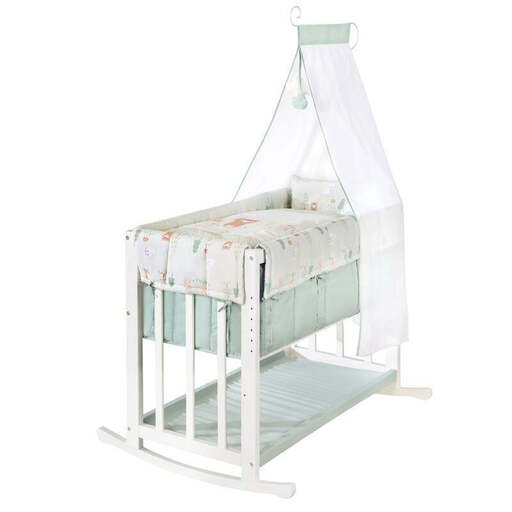
Why This Fits Their Persona: This 4-in-1 solution combines a bassinet, bedside sleeper, cradle, and later a bench in one product. Ideal for parents who value flexibility and great value for money, especially with limited space.
Avoids the pitfall of buying multiple separate pieces for the first phase of life that quickly go unused. It adapts to the needs of the first year.
Complete textile set (mattress, bedding, canopy) is included. The height is 6-way adjustable to fit various parent beds.
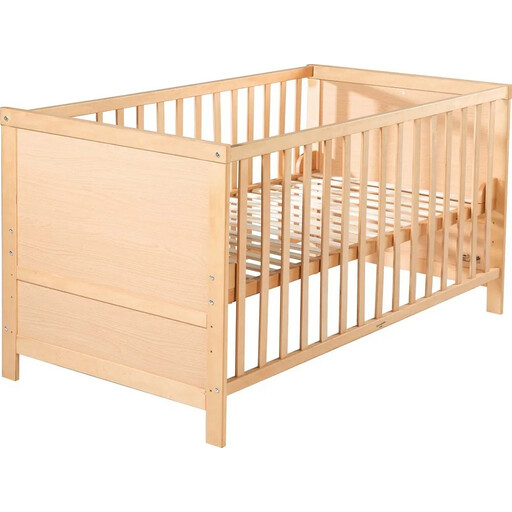
Why This Fits Their Persona: This bed is designed as a long-term investment. It accompanies the child from birth to around age 7 by converting from a crib to a junior bed. Perfect for parents who think sustainably and economically.
Solves the problem of needing to buy a new bed after just a few years. As a true convertible crib, it covers the entire toddler and early childhood phase.
The slatted frame is 3-way height adjustable. Three removable slats later promote the child's independence.
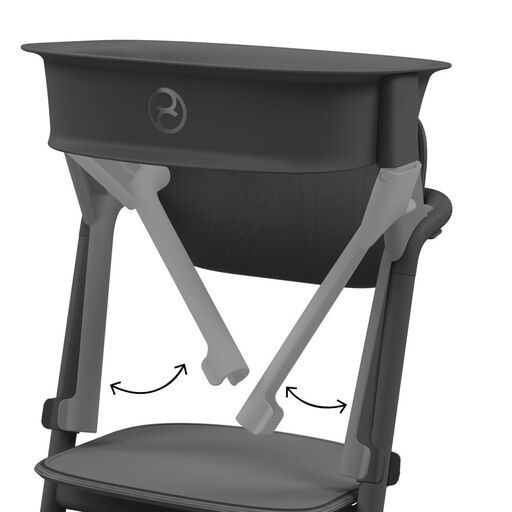
Why This Fits Their Persona: For families who want to actively involve their toddler in daily life. The learning tower allows the child to safely participate at eye level in the kitchen or at the table, fostering development and independence.
Instead of a bulky, separate structure, this is an attachment for an existing chair. This saves space and is a smart solution for a later developmental need.
Tool-free, one-handed assembly. Anti-slip mats on the seat and footrest ensure the child has a secure footing.
We've compiled a complete, up-to-date list of products that fully meet these strict selection criteria and German safety regulations.
A bedside sleeper is typically a good solution for the first 6 to 9 months. The exact duration of use depends on the size of the bed and your child's development. As soon as your baby starts to sit up, kneel, or pull themselves up independently, it's time to switch to a crib with higher side rails for safety reasons.
The three most important criteria for a baby mattress are:
From a financial perspective, a convertible crib (usually in the 70 x 140 cm format) is a worthwhile purchase. Although the initial cost is higher than for a smaller crib (60 x 120 cm), it eliminates the later purchase of a junior bed. You not only save money but also the effort of searching for a suitable bed again after 2-3 years. Furthermore, it is a more sustainable choice, as one piece of furniture is used for many years.