
Lieferung heute & morgen

Qualitätsgarantie

Willkommens-Angebote freischalten: KOSTENLOSE Lieferung | Bis zu 80 % RABATT | Kostenlose 30-Tage-JoyPlus-Testphase
App herunterladen
The selection of nut chocolate on the shelf can be overwhelming. From classic bars and functional protein bars to vegan snacks, the promises on the packaging are endless. But not every product lives up to its claims. Before you make a decision, it's helpful to know the most common pitfalls so you can choose a product that meets your expectations for both taste and ingredients.
This guide will help you identify key product features and separate marketing hype from facts.
The "No Added Sugar" Trap: A product advertised as "no added sugar" is not automatically low in calories or suitable for everyone. Sugar alcohols like maltitol are often used as sweeteners, which can have a laxative effect if consumed in excess. Furthermore, the fat and therefore calorie content can still be high. Checking the nutritional information table is therefore essential.
The Nut Illusion: The packaging shows plump, whole nuts, but the ingredients list often tells a different story. Terms like "nut paste" or a low percentage of nut content indicate that the bite will be less crunchy than expected. The proportion of whole nuts is a crucial quality indicator for mouthfeel and flavour.
The Protein Pretence: Not every nut protein bar is a sensible addition to an active, athletic diet. Some bars contain only a small amount of protein or use lower-quality protein sources. At the same time, the sugar or fat content can be similar to that of a conventional chocolate bar, which calls its functional benefits into question.
To make an informed decision, you should check three core parameters. This information is usually found on the back of the packaging in the ingredients list and the nutrition table.
The type and quantity of nuts are the primary determinants of the taste experience. Look for the following distinctions:
The foundation of any nut chocolate is the chocolate itself. The cocoa content influences the sweetness and flavour intensity.
Depending on your intended use, different features come to the forefront:
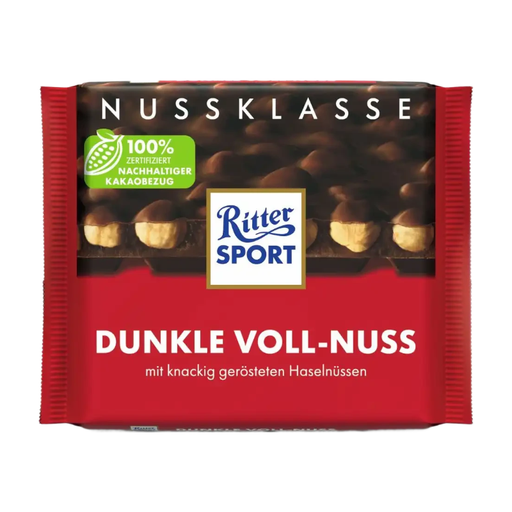
Why This Fits Their Persona: Ideal for lovers of an intense, not-too-sweet flavour experience where the crunchy bite of whole nuts is paramount. A straightforward, proven choice for pure chocolate enjoyment.
This product bypasses the "Nut Illusion" with a clearly declared content of 25% whole hazelnuts. The ingredients list is transparent and focused on the essentials.
High cocoa content of at least 50% in the chocolate; a noticeably crunchy texture from whole, roasted nuts.
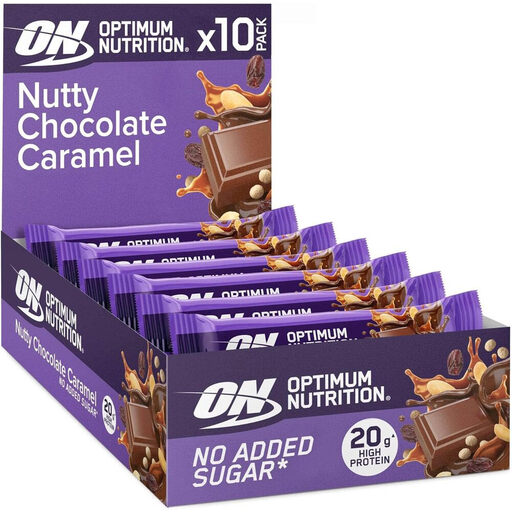
Why This Fits Their Persona: Designed for individuals seeking a functional, high-protein snack post-workout or between meals. The focus is on a nutritional composition that supports athletic goals.
This bar avoids the "Protein Pretence" by delivering a high amount of 20g of protein per 70g bar. It also contains no added sugar, setting it apart from many sugar-laden fitness snacks.
High protein content (29g per 100g); no added sugar*; high in fibre (16g per 100g). *Contains naturally occurring sugars.

Why This Fits Their Persona: Suitable for consumers with specific dietary needs, such as a vegan or gluten-free lifestyle. The bar combines fruits, nuts, and seeds, making it a practical on-the-go snack.
This product focuses on ingredient transparency and avoids hidden animal products. It is clearly declared as a vegan nut bar and gluten-free, making it a safe choice for those with allergies and for vegans.
Purely plant-based ingredients; gluten-free; no artificial colours, flavours, or preservatives.
We've compiled a complete, up-to-date list of products that fully meet these strict selection criteria and UK/EU regulations.
The main difference lies in the texture and taste experience. Chocolate with whole nuts offers a distinct, crunchy bite and an intense, concentrated nut flavour in every piece. Chocolate with nut pieces has a more homogenous distribution of nuts, resulting in a finer but less intense crunch. The choice depends on personal preference.
No, protein bars are designed as a dietary supplement or a convenient snack, not as a replacement for a complete and balanced meal. They can help meet protein requirements after exercise or bridge a hunger gap, but they lack the variety of micronutrients, vitamins, and fibre that a wholesome meal made from fresh ingredients provides.
Nut chocolate should be stored in a cool, dry place, ideally at a temperature between 15°C and 18°C (59°F and 64°F). Avoid direct sunlight and significant temperature fluctuations, as this can lead to a greyish coating (fat bloom). Storing it in the refrigerator is not recommended, as the chocolate can absorb foreign odours and its texture can change.