
Lieferung heute & morgen

Qualitätsgarantie

Willkommens-Angebote freischalten: KOSTENLOSE Lieferung | Bis zu 80 % RABATT | Kostenlose 30-Tage-JoyPlus-Testphase
App herunterladen
Nut cookies offer an immense variety—from classic hazelnut biscuits and exotic Asian creations to creamy, filled nut pastries. But this vast selection can also be overwhelming. Vague product descriptions or exaggerated marketing claims often lead to disappointment when the cookie fails to live up to its packaging.
This guide will help you avoid the common pitfalls. We'll show you which objective criteria to look for to find nut cookies that truly suit your taste—whether for a treat with your coffee, a midday snack, or sharing with family.
Before you make a decision, it's helpful to know the most common issues that can spoil the experience.
To ensure you're getting a high-quality product, you should check three core parameters. These will give you a reliable basis for your purchasing decision.
The most important indicator of quality is the percentage of nuts. Look for a clear declaration on the ingredients list, such as "Hazelnuts (13%)". The higher this value and the earlier the nut appears on the list, the more intense and authentic the flavour will be. Products that only list 'flavouring' rarely offer a genuine nut experience. Whether you prefer hazelnut cookies, walnut cookies, or almond cookies, the rule remains the same: the declared percentage is crucial.
Texture is just as important as taste. There are fundamental differences here:
A quick look at the other ingredients is worthwhile. The use of real butterfat instead of just palm oil, for example, can be an indicator of a richer flavour profile. The origin can also provide insight into the baking tradition. Asian cookies from Japan or China often stand out with unique flavour combinations like matcha or a more subtle sweetness, while Middle Eastern pastries are frequently enhanced with syrup.
Based on the criteria mentioned, we have put together a selection of products for different preferences.
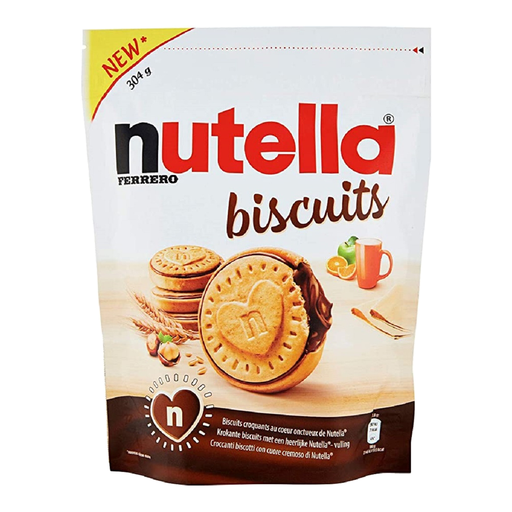
Why This Fits Their Persona: Ideal for anyone who loves the familiar taste of hazelnut cream in a new, crispy format. The combination of a firm biscuit and a soft, creamy centre makes it a popular snack for the whole family.
This product bypasses the 'aroma trap' by using a clearly declared 13% hazelnut content in its cream. The flavour is authentic, not artificial.
Crispy biscuit provides a contrast to the creamy filling; resealable packaging maintains freshness.
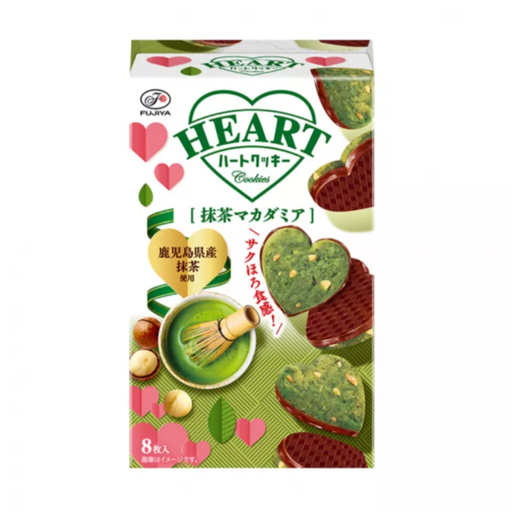
Why This Fits Their Persona: Perfect for gourmands looking to explore new and sophisticated flavour worlds. The combination of tart Japanese matcha and buttery macadamia nuts offers a unique experience that goes beyond the mainstream.
This product avoids the trap of flavour monotony. It relies on an authentic combination of high-quality ingredients (matcha and macadamia nuts) instead of standard flavourings.
Balanced flavour profile between tart and rich notes; a pleasant, crispy texture that pairs well with tea or coffee.
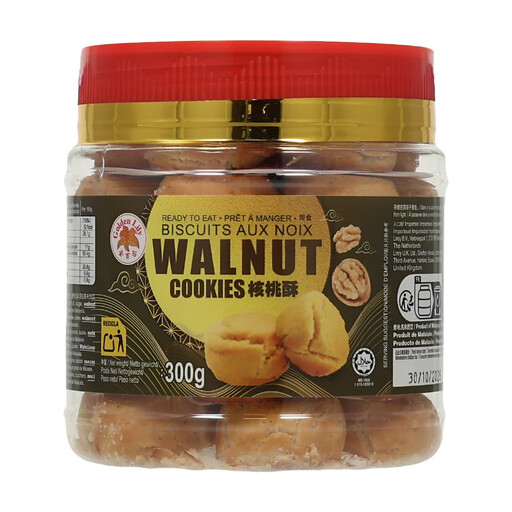
Why This Fits Their Persona: For lovers of traditional pastries where the pure nut flavour takes centre stage. This cookie focuses on the full taste of walnuts in a classic, crumbly texture without excessive sweetness or extra fillings.
With a declared walnut content of 16.4%, the nut is clearly the focus. There's no trickery with flavourings here; it relies on the genuine taste of the ingredient.
Very high, transparent nut content; a rich, melt-in-your-mouth texture that is ideal with a cup of tea or coffee.
We have compiled a complete, up-to-date list of products that fully meet these strict selection criteria.
Proper storage is crucial to preserve their texture. Keep opened packages in an airtight container. Store it in a cool, dry place, away from direct sunlight and moisture. This will keep your cookies fresh and crispy for longer.
The most reliable indicator is the ingredients list on the packaging. Look for a percentage, such as "Walnuts (20%)". As a general rule, the higher up an ingredient is on the list, the greater its proportion in the final product. A high, clearly declared nut content is a good sign of quality.
The main difference often lies in the flavour combinations and texture. While European nut pastries frequently rely on classic pairings like hazelnut and chocolate, Asian cookies often feature ingredients like matcha, sesame, or a bean paste filling. The texture can range from extremely crumbly (like Chinese walnut cookies) to flaky and light. Additionally, they tend to be less sweet than their European counterparts.