
Lieferung heute & morgen

Qualitätsgarantie

Willkommens-Angebote freischalten: KOSTENLOSE Lieferung | Bis zu 80 % RABATT | Kostenlose 30-Tage-JoyPlus-Testphase
App herunterladen
A nut milk maker can make preparing plant-based drinks easier. However, models vary considerably in capacity, operation, cleaning and materials. If you focus only on a high number of programmes or a high wattage rating, you may overlook important details for everyday use.
Three purchasing decisions in particular often lead to disappointment:
For individuals or small kitchens, a compact model with a capacity of around 300 ml may be suitable. Families and households that want to prepare several portions are more likely to benefit from a container holding around 1 litre. You should distinguish between the usable fill quantity and the container’s maximum capacity.
A model with a 1-litre capacity holds approximately five cups and may be sufficient for several people. Also check the external dimensions, particularly the height beneath wall cupboards. Nut milk makers are often used with hot liquids and should therefore be placed securely on a stable, dry work surface.
A plant milk maker generally combines heating and blending. A heating function is practical for soya beans and some types of grain, while cold programmes are intended for juices or shakes. The wattage alone does not determine the quality of the result.
A clearly defined programme selection, a suitable blade or stirring system, and clear minimum and maximum markings are more important. According to the product details, some of the selected models feature stainless steel blades with up to ten blades. This can be helpful when chopping nuts, beans and grains, but it does not replace following the instruction manual.
If you want to make almond milk yourself, you should also check whether soaking is required. According to the manufacturers’ information, some models are designed to process dry beans, while others require pre-prepared ingredients.
When appliances come into regular contact with food, clear material specifications are important. The selection includes models with 304 stainless steel interiors, as well as appliances made from food-safe, BPA-free material, according to the product descriptions. Nevertheless, “BPA-free nut milk maker” should not be regarded as the sole indication of quality: seals, lids, the blade area and care instructions also deserve attention.
Automatic cleaning makes everyday use easier. Even so, the motor unit must not be immersed in water. With heated appliances, users should also look for locking sensors, overheat protection and warnings about hot surfaces. Before opening or pouring, disconnect the appliance from the mains if the instructions require this.
The following recommendations match the technical specifications to the relevant usage situations. The product features are based on the product descriptions provided.
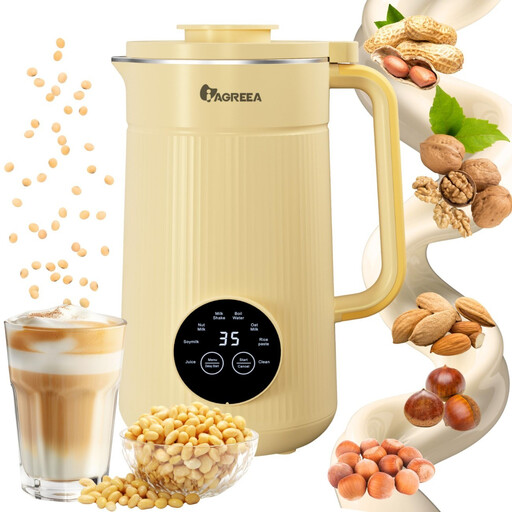
Why this product suits this profile: This 1-litre model combines several hot and cold programmes with a compact design, making it suitable for households that want to prepare a variety of milk alternatives themselves.
The programme list explicitly includes soya milk, nut milk, oat milk and cleaning, among other functions. This makes it easier to check the specifications before buying.
1-litre capacity, 12-hour delayed start, 2-hour keep-warm function and automatic cleaning, according to the product details.
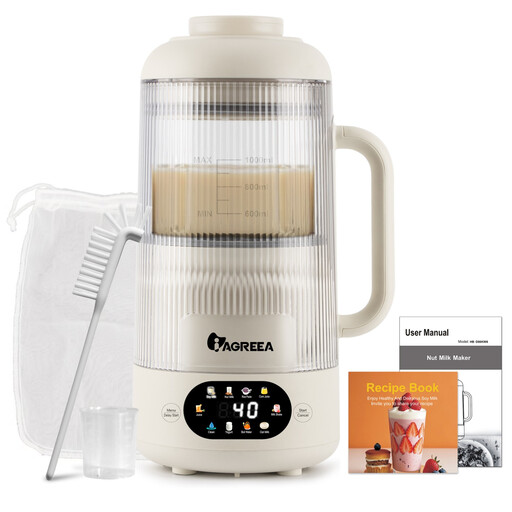
Why this product suits this profile: The combination of a 1-litre container, glass construction and several hot and cold programmes is aimed at regular users who prioritise material specifications and ease of use.
The product description specifies food-safe borosilicate glass, along with cleaning, drying and sterilisation functions. The instructions remain the definitive guide for specific care requirements.
Ten preset programmes, 12-hour delayed start, cleaning mode and included accessories such as a brush and filter bag.
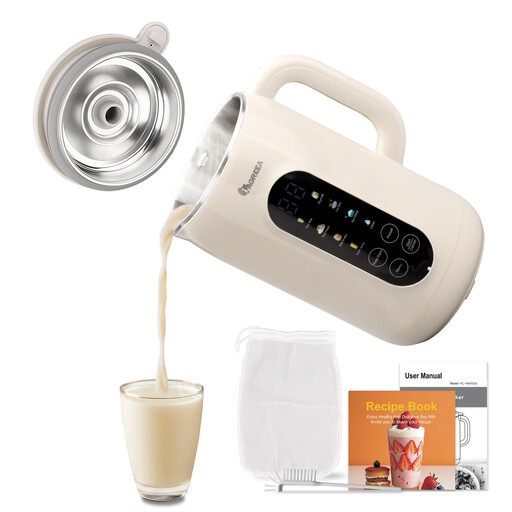
Why this product suits this profile: This appliance is of interest to users who want to prepare soups, juices or rice porridge with a multifunctional blender as well as plant-based milk.
The description specifies an eight-minute automatic cleaning cycle, along with separate heating and blending power ratings. This makes the technical specifications easier to assess than a single overall wattage figure.
Ten programmes, 750 watts of heating power, 200 watts of blending power, 1-litre capacity and a 2-hour keep-warm function, according to the product details.
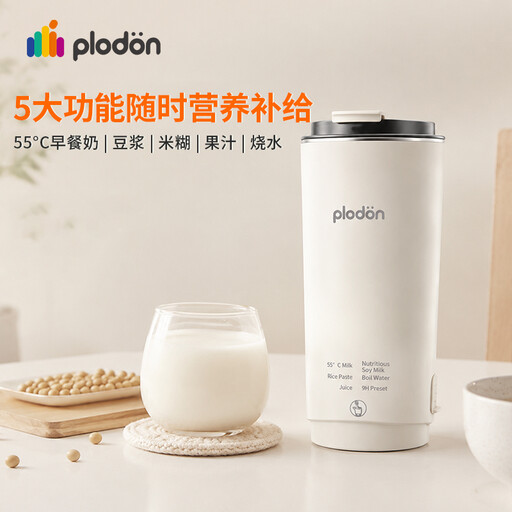
Why this product suits this profile: With a 300 ml capacity and compact format, this appliance is aimed at students, individuals and users in the office or while travelling.
The small capacity makes the appliance’s limitations clear. If you only need individual portions, you do not have to find permanent space for a larger model.
300 ml stainless steel inner container, 9-hour delayed start, 55 °C keep-warm function and automatic cleaning, according to the product description.
The ongoing costs of a nut milk maker depend mainly on the ingredients, water consumption and electricity usage. Heated programmes use more energy than blending alone. For a meaningful comparison, you should therefore consider the actual operating time, heating power and portion size.
After each preparation, we recommend:
We have compiled a complete, regularly updated list of products that fully meet these strict selection criteria and the safety regulations applicable in the EU.
That depends on the model and the programme selected. Some product descriptions mention processing dry beans, while others do not provide clear information on this. The instructions from the relevant manufacturer are definitive. Soaking can change the preparation process, but it is not a general requirement for every nut milk maker.
It reduces the amount of manual work, but does not necessarily replace all maintenance. Particularly when using sticky or fibre-rich ingredients, the container, lid and seals should be checked and cleaned by hand if necessary. The electrical base must not come into contact with water.
It is not possible to give a reliable general lifespan. Among other factors, it is affected by frequency of use, overloading, cleaning and observing breaks between cycles. When buying, look for clear safety information, details of spare parts or servicing, and the permitted fill quantity.