People with diabetes who prefer simple ingredients
For them, the specific nut recipe matters more than the multipack format. diabetesDE recommends plain nuts without sugar, salt, spices or a coating, and suggests 25 g a day as a guide.


When choosing nuts for diabetes, the recipe matters more than the pack format. diabetesDE recommends plain nuts without sugar, salt, spices or a coating, and suggests 25 g a day as a guide. Individual bags are easy to take with you, but may contain a larger portion, dried fruit or other ingredients. If you want to prepare portions for lunchboxes, you can instead buy plain nuts in a larger pack and portion them yourself.
For them, the specific nut recipe matters more than the multipack format. diabetesDE recommends plain nuts without sugar, salt, spices or a coating, and suggests 25 g a day as a guide.
Small packs are easy to hand out. If you want to decide the portion size yourself, you can divide nuts from a larger pack into small containers and keep an eye on both the ingredients and the weight of each portion.
Check the nuts in each specific product, as well as any warnings about possible traces. For example, EDEKA’s product information for GUT&GÜNSTIG walnut kernels mentions possible traces of other allergens.
First decide whether ingredients or ready-portioned packs matter more to you. Then compare the weight of each bag and the information for the specific variety.
A good fit if: you want simple ingredients and to choose the portion size yourself for several lunchboxes.
Things to consider: Portioning takes time, and opened nuts need to be stored properly.
A good fit if: individual bags for sharing or taking with you are a priority, and the ingredients in your chosen variety suit you.
Things to consider: Dried fruit or chocolate changes the nutritional composition compared with plain nuts.
A good fit if: you’re specifically looking for a savoury mix in a pack you can take with you.
Things to consider: Roasted, salted mixes don’t match diabetesDE’s recommendation for plain nuts.
| What to check | What to look for when buying | Who it matters to |
|---|---|---|
| Ingredients | Compare the ingredients list with the sugar and salt figures in the nutritional information, especially for nut and fruit mixes and chocolate mixes. | If I want a simple nut recipe, I want to spot any added ingredients before choosing a pack format. This is the top priority for around 42% of consumers. |
| Portion size | Compare the weight of each individual bag with your planned portion. If you buy a larger pack, decide how much to portion out yourself. | For several lunchboxes, I need portions that are easy to take with me or share, without relying solely on the size of a ready-packed bag. This is a priority for around 33% of consumers. |
| Allergens and variety | Check the nuts and allergens listed on the current pack, along with any warnings about possible traces. If the range changes, check the specific variety. | If allergens or possible cross-contamination are a deciding factor for me, I need to check the exact pack I intend to buy. Around 25% of consumers prioritise this check. |
The pack format doesn’t tell you whether a mix contains dried fruit, chocolate or salt. A nut and fruit mix described by ALDI SÜD, sold in packs of 5 × 40 g, contains 34 g of sugar per 100 g.
First check the ingredients list and nutritional information for the specific variety. Then decide whether the individual bags suit your needs.
diabetesDE suggests 25 g of plain nuts a day as a guide. The take-away and multipack formats described here contain 40 g or 50 g per bag, which is more.
Compare the bag’s weight with the amount you plan to have, or portion out smaller amounts yourself.
A mix can contain several types of nuts. Warnings about possible traces of other allergens may also be relevant to your choice.
Read the ingredients list and any warnings about traces on the current pack of the specific variety.
Storage is part of choosing a larger pack. The Verbraucherzentrale recommends keeping opened, shelled nuts in a container in the fridge.
Transfer the nuts to a suitable container after opening. Throw them away if they are mouldy or smell musty or rancid.
REWE describes a roasted and salted REWE Bio nut mix containing cashews, almonds, hazelnuts and peanuts, sold in a 125 g pack.
EDEKA sells plain GUT&GÜNSTIG walnut kernels in a 200 g resealable bag – a pack to portion yourself rather than a multipack.
ALDI Nord lists, among other products, a TRADER JOE'S nut and fruit mix in packs of 5 × 40 g.
Seeberger describes a Snack2go nut trio containing almonds, cashews and peanuts in a 50 g pack.
These larger packs of nuts and peanuts are worth considering if you want to portion them yourself for lunchboxes. Compare the ingredients and nutritional information for each pack with your requirements.
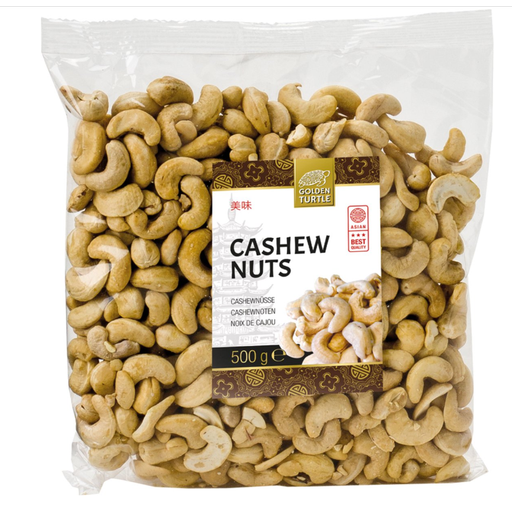 No image available
This 500 g pack is worth considering if you want to portion out cashews for several occasions. Decide how much to put in each container, and check the current ingredients and allergen information before buying.
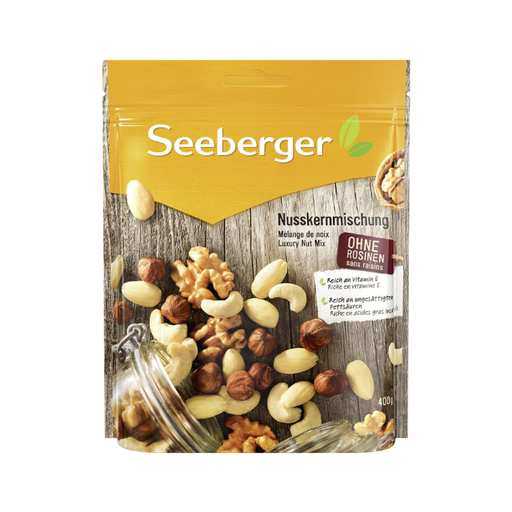 No image available
This 400 g pack is worth considering if you want to divide a nut mix without raisins into several portions yourself. Check the current ingredients list and any allergen warnings on the specific pack.
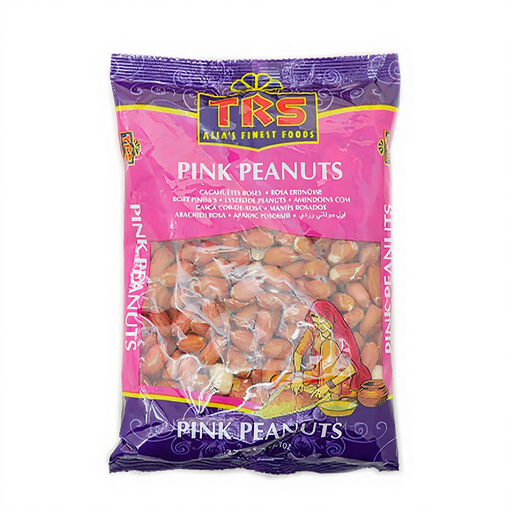 No image available
This 375 g pack is worth considering if you want to portion out peanuts yourself. Decide how much to have in each portion and check the information on the current pack.
No. The fact that something is sold as a multipack isn’t what matters. diabetesDE explains that there is no special diet or blanket ban on foods for people with type 1 or type 2 diabetes. For nuts, it recommends plain varieties without sugar, salt, spices or a coating. So check the specific recipe.
diabetesDE suggests 25 g of plain nuts a day as a guide, not as a set size for every individual bag. Compare this with the weight of your chosen pack: a 40 g or 50 g bag contains more and can be shared if needed.
Check both the ingredients list and any warnings about possible traces on the specific pack. The nuts included and possible cross-contamination are different details. If you have an allergy, don’t rely on the product name or an image of the packaging alone.
The Verbraucherzentrale recommends keeping opened, shelled nuts in a container in the fridge. Don’t eat nuts that are mouldy or smell musty or rancid.