To choose nuts with protein in mind, compare their protein and energy content per 100 g and per portion—the amount you actually intend to eat. A larger pack can be a good fit if you use it regularly and can store the nuts somewhere cool and dark. If you get through them more slowly, a smaller pack or one with a good seal may be a better choice. Ingredients and allergen information should also factor into your decision for each specific mix.
Who should take care when choosing?
Protein-conscious bulk buyers
If you regularly use nuts as a snack or topping, compare their protein and energy content both per 100 g and for the portion you have in mind. With a larger pack, it’s also worth considering whether you can store and use it in good time.
Households that use nuts regularly
If you buy nuts for several people to enjoy over a few weeks, consider pack size, seal and storage together. The Verbraucherzentrale recommends storing nuts somewhere cool and dark.
Shoppers with specific ingredient requirements
If you want to avoid certain types of nuts or other ingredients, check whether you’re choosing plain kernels or a seasoned mix. If you have an allergy, pay particular attention to the ingredients and information on the specific pack.
What should you look for when buying?
When choosing nut multipacks as part of a protein-conscious diet, start by comparing the nutritional information. Then consider the pack size, ingredients and storage requirements in light of how you’ll use them.
| Factor |
What to check |
Who it matters most to |
| Protein and portion size |
Compare protein and energy per 100 g and for the portion you have in mind. |
If nuts are a regular part of my snacks or meals, I want to know how much protein they provide without overlooking their energy content. Around 42% of consumers put this portion-based comparison first. |
| Pack size and freshness |
Check the pack contents, seal and storage instructions against how quickly you’ll use the nuts. |
I want a pack that’s big enough for my household without the nuts losing quality before we finish them. For around 33% of consumers, managing their supply is the top priority. |
| Ingredients and allergens |
Check the types of nuts, other ingredients and allergen information on the specific pack. |
I want to know whether a mix meets my ingredient requirements and whether any warnings about other allergens are relevant to me. Around 25% of consumers give this check the highest priority. |
Which mistakes can you avoid?
-
Assuming a bigger pack is always better value
More in the pack isn’t much use if you can’t get through the nuts in time, or if the packs you’re comparing contain different mixes.
Compare like for like and choose a quantity that suits your usual consumption and storage space.
-
Looking at protein without considering portion size and energy
The German Nutrition Society lists nuts as a source of plant-based protein. But energy content matters too when you’re deciding on a portion. A value per 100 g doesn’t tell you everything about a complete meal.
Check both nutritional values and work them out for the amount you actually plan to eat.
-
Storing nuts somewhere warm or bright
The Verbraucherzentrale says that poor storage can affect the quality of nuts. This is particularly important if a pack stays open for a long time.
Store nuts somewhere cool and dark, seal opened packs tightly and don’t eat nuts that smell musty or rancid, or show signs of mould.
Any remaining nuts that are no longer fit to eat count as food waste.
-
Assuming allergen information applies across different varieties
Single-variety kernels and mixes can contain different ingredients and carry different warnings about traces. Similar product names are no substitute for checking the specific pack.
If you have an allergy, check the ingredients and information on every variety again, and compare online details with the pack label.
Brands to help you choose
Seeberger
Seeberger sells a mixed nut kernels product in 150 g and 400 g packs.
- The two sizes let you choose according to how much you use regularly.
- With the 400 g pack, it’s important to consider how you’ll store and use the nuts after opening.
ja! von REWE
REWE describes its 200 g ja! mixed nut kernels as plain, unsalted and unroasted.
- For this variety, REWE lists 19.3 g of protein and 657 kcal per 100 g, so you can consider both values together.
- Your choice should be based on the labelling of the specific variety you’re buying.
GUT&GÜNSTIG von EDEKA
EDEKA sells a 200 g mixed nut kernels product that is unsalted and unroasted.
- For this mix, EDEKA lists 19.3 g of protein and 0 g of salt per 100 g.
- EDEKA notes that information on the product page may differ from the packaging.
Alesto von Lidl
Lidl sells both plain nuts and seasoned snack varieties under the Alesto brand.
- The range of varieties makes it especially important to check the ingredients and how the nuts have been prepared.
- The nutritional values and ingredients of one Alesto variety don’t necessarily apply to the whole brand.
Nuts at Joybuy
This selection includes mixed nuts and single-variety peanuts or walnuts in different pack sizes. The right pack depends not only on the type of nut you want, but also on how often you use it and what information you need to check on the label.
 No image available
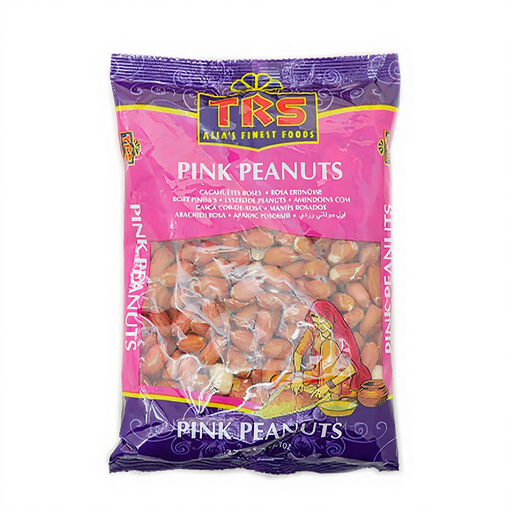
TRS Peanuts Kernels Pink, 375 g
For anyone who wants to portion and prepare a larger pack of peanut kernels themselves.
The kernels are raw. The product description recommends roasting them before eating and using them within a month of opening. If you have a peanut allergy, check the pack labelling.
View at Joybuy
 No image available
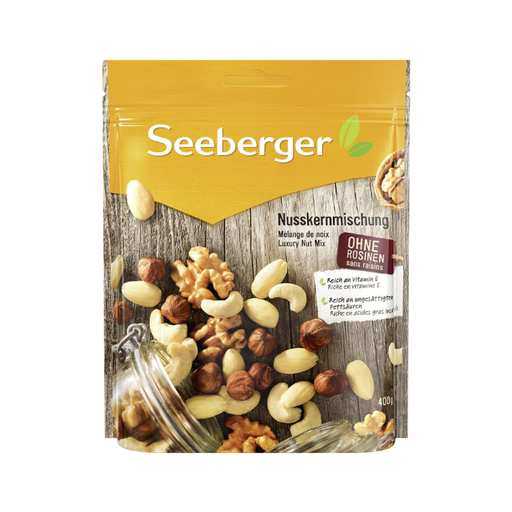
Seeberger Premium Nut Mix Without Raisins, 400 g
A raisin-free nut mix for regular use as a snack or topping.
Before buying, check the ingredients, allergen information and seal on the specific 400 g pack.
View at Joybuy
 No image available
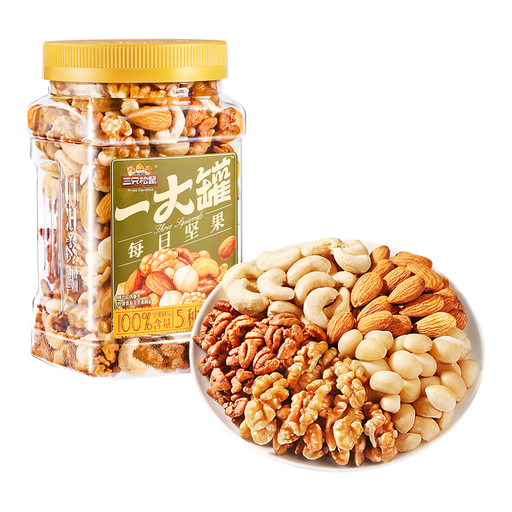
Three Squirrels Daily Nuts (All-Nut Pure Enjoyment Edition), 500 g
A larger nut mix for households that like to take out small amounts regularly.
The mix is described as roasted. According to the product information, the pecan component contains sugar and salt. Check the ingredients if you’re looking for a plain mix.
View at Joybuy
 No image available
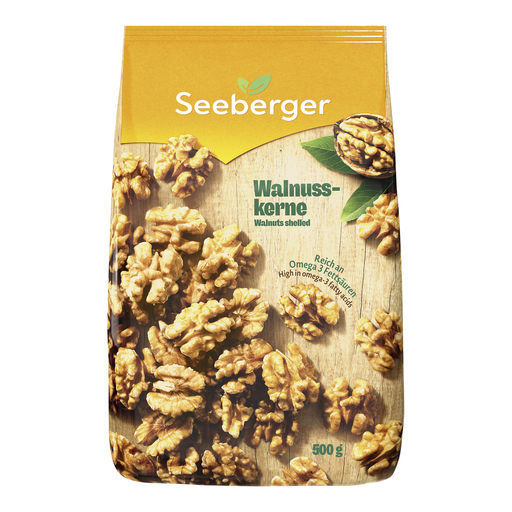
Seeberger Walnut Kernels, 500 g
A 500 g pack of walnut kernels for regular use in cooking and baking, or as a snack.
The product information recommends sealing the pack tightly after opening. If you have an allergy, also check for warnings about possible traces of other nuts or peanuts.
View at Joybuy
 No image available
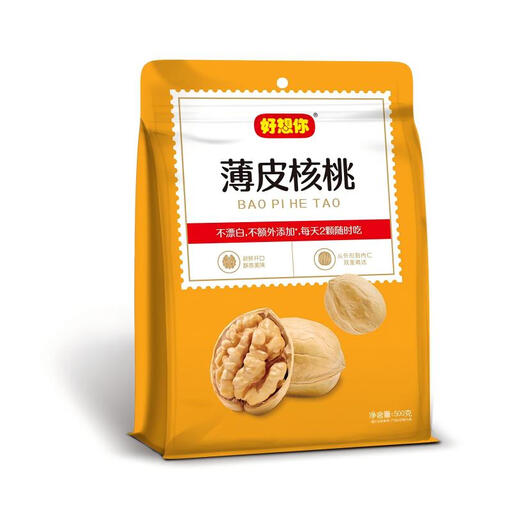
Haoxiangni Thin-Shelled Walnuts, 500 g in eight packs
With eight separate packs, this could suit you if you prefer to take walnuts from your supply a portion at a time.
Check the storage instructions of 0–4 °C against the label on the specific pack. To compare these with other nuts, check the protein and energy content per 100 g on the label.
View at Joybuy
Frequently asked questions
Is protein content enough to help me choose nuts?
No. Consider protein and energy together, and base both figures on the portion you plan to eat. The German Nutrition Society lists nuts as a source of plant-based protein, but that doesn’t mean a large portion needs to replace other protein-rich foods.
When is a larger pack of nuts a good choice?
A larger pack is a good choice if you use the nuts regularly and can store them properly after opening. The Verbraucherzentrale recommends keeping them somewhere cool and dark. Don’t eat nuts if they have an unusual smell, a rancid taste or any signs of mould.
If I have a peanut allergy, do I need to check every pack?
Yes. Check the ingredients and information on each specific pack. The German Federal Institute for Risk Assessment says that peanuts must be identified as an ingredient. Warnings about possible traces may also be relevant.
Can I rely on the product page alone for ingredients and nutritional information?
Before using the product, compare the online information with the label on the specific pack. EDEKA notes in its product information that details on the product page may differ from the packaging.


