Households with staggered mealtimes
If you’re making a nut roast to eat over several meals, you’ll need to decide whether to keep portions hot in a controlled way or chill and reheat them later. The BfR provides advice on keeping food hot.


If you’re serving the nut roast straight away, a suitable conventional oven may be all you need. For portions to be eaten later, planning how to keep them hot or chill and reheat them matters more than choosing a promising-sounding programme. The German Federal Institute for Risk Assessment (BfR) recommends keeping heated food at a minimum of 60 °C throughout while it is being kept hot, until it is eaten. An oven function alone can’t confirm that the food has reached this temperature. Also check that your dish fits the oven and housing, and compare the heating methods, cleaning features and energy consumption figures for the specific model.
If you’re making a nut roast to eat over several meals, you’ll need to decide whether to keep portions hot in a controlled way or chill and reheat them later. The BfR provides advice on keeping food hot.
If you regularly reheat individual portions, compare the reheating functions specifically listed for each model. AEG describes regeneration as steam-assisted reheating of leftovers; NEFF and Siemens list the function on certain models.
If you’re looking for a built-in oven, compare the dimensions of the housing and appliance, along with the heating methods and cleaning features. The consumer advice centre recommends checking the specific appliance figures for energy consumption; the European Commission lists energy use per standard cycle for domestic ovens.
A good fit if: you’ll mainly bake the nut roast and store and reheat later portions separately.
Consider: steam or regeneration functions aren’t included as standard; check the heating methods, oven capacity and installation dimensions for the model.
A good fit if: you often reheat portions later and the specific appliance explicitly lists a regeneration function. For example, NEFF lists this function for the B57VS22G0.
Consider: steam assistance when baking isn’t the same as a dedicated steam-cooking function, and it doesn’t confirm that food has reached a safe temperature.
A good fit if: you regularly want to steam-cook other foods as well as making a nut roast. Siemens lists steam functions, regeneration and keeping warm for the HS736GDB1.
Consider: these extra features aren’t necessary just to bake a nut roast; when keeping food hot, what matters is its temperature throughout.
First decide whether you want to keep food hot for later or reheat individual portions. Then compare how well the appliance fits your dish and space, its energy figures and the effort needed to clean it.
The BfR recommends keeping heated food at a minimum of 60 °C throughout until it is eaten. The table below matches key buying priorities with the checks to make.
| Priority | What to check before buying | Who will this matter most to? |
|---|---|---|
| A safe plan for staggered mealtimes | Plan when you’ll serve the food and how you’ll check its temperature in different places. A listed keep-warm function doesn’t confirm the temperature inside the roast. | If I’m not serving all the portions at once, I want to know how to keep them safely hot until mealtime or plan for later. Around 36% of consumers prioritise a reliable approach to staggered mealtimes when buying. |
| Reheating portions later | Look for “Regeneration” on the exact model and check the manual. Don’t assume it’s the same as a burst of steam during baking. | If I regularly reheat individual portions of leftovers, an explicitly listed regeneration function matters more to me than general claims about steam. Around 29% of consumers prioritise reheating food later. |
| Baking the roast in a suitable dish | Compare the oven capacity, accessories and installation dimensions with your dish and housing; choose the heating method and check that the roast is cooked according to the specific recipe. | If I mainly want to bake a nut roast in the dish I already have, I’ll check that it fits and that the oven offers the heating method the recipe needs. Around 21% of consumers prioritise baking functions and a good fit for their dish. |
| Energy use and cleaning | Compare the kWh per standard cycle for the listed heating methods, as well as oven capacity and cleaning method. A standard cycle doesn’t automatically reflect the energy used to keep food hot for longer. | If I use the oven often, I want to be able to assess energy use and cleaning effort before buying. Around 14% of consumers prioritise running costs and cleaning. |
The selected oven function doesn’t show whether the nut roast has reached the recommended temperature throughout.
Plan how long the food will be kept before eating and check its temperature. The BfR recommends keeping food at a minimum of 60 °C throughout while it is being kept hot.
These settings serve different purposes. A general mention of steam doesn’t confirm that the model offers the reheating function you need.
Compare the list of functions for the full model name with the way you plan to use the oven.
The energy label describes standardised baking cycles, not a keep-warm scenario lasting several hours.
Compare the stated kWh per standard cycle and separately consider whether, and how often, you’ll want to keep food hot for longer. The consumer advice centre notes that the appliance’s actual electricity consumption is what matters.
For the German-market B57VS22G0 model, NEFF lists conventional heating methods as well as steam assistance.
The HS736GDB1 steam oven lists steam functions, regeneration and keeping warm.
Bosch describes the HBG537BB4 as a conventional built-in oven; its product details don’t list steam technology.
AEG offers the B57PV2361B with SteamCrisp steam assistance, among other models, and describes regeneration separately for steam ovens.
Miele describes the DGC 7460 HC Pro as an appliance for steam cooking, baking and roasting.
This selection includes built-in ovens and compact countertop appliances for baking and roasting, including models with listed functions for reheating food later. Before buying, check that your dish will fit and that the appliance has a setting to suit your plans.
 No image available
An option if you’re looking for a built-in oven for baking and roasting, with a function for reheating food later.
71 L oven capacity; five heating methods; 3D Hotair and top/bottom heat; pyrolytic cleaning; Reheat function. The Reheat function doesn’t confirm that the nut roast has reached a safe temperature.
 No image available
A possible fit if you’re looking for a built-in appliance with fan-assisted cooking, a grill and a timer; check the appliance dimensions against your housing.
60 cm; 70 L; 3 kW; fan-assisted cooking; grill and pizza functions; AquaClean cleaning; ECO mode; timer.
 No image available
Another built-in option if you’re looking for baking and roasting functions, as well as a listed function for reheating food later.
71 L oven capacity; ten heating methods; 3D Hotair; top/bottom heat; pyrolytic self-cleaning; Reheat function. This function doesn’t confirm the temperature of the food.
 No image available
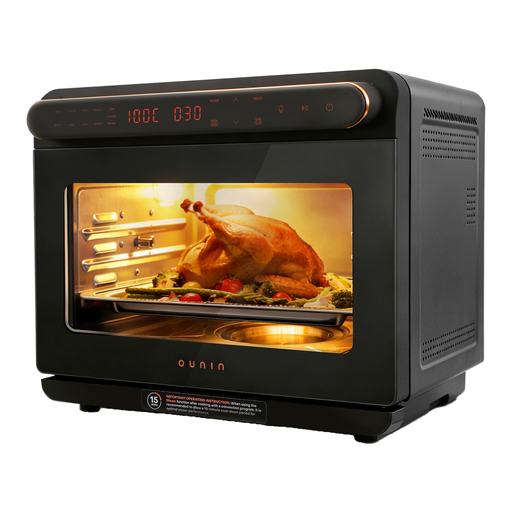
Could be worth considering for a compact worktop if you want baking and steam functions in one countertop appliance. Check that your roasting dish will fit inside.
24 L; 1 L water tank; Steam Bake, Steam Roast and Reheat modes; 304 stainless steel interior. The keep-warm function doesn’t confirm a safe temperature throughout the nut roast; the BfR recommends keeping food at a minimum of 60 °C throughout while it is being kept hot.
 No image available
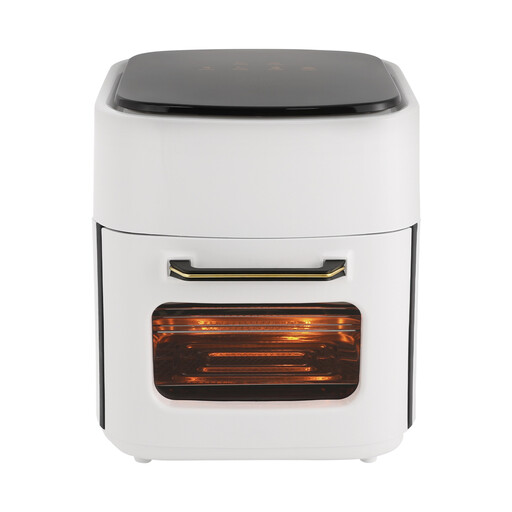
Could be a good choice for smaller portions of baked or roasted food, as long as your dish fits inside.
15 L; 1400 W; adjustable temperature from 80–200 °C and timer from 5–65 minutes; viewing window; removable, dishwasher-safe basket.
No. The programme name alone doesn’t confirm the temperature inside the nut roast. The BfR recommends keeping heated food at a minimum of 60 °C throughout while it is being kept hot, until it is eaten. This is advice on handling food, not a blanket requirement for appliances.
No, these terms refer to different functions. NEFF distinguishes steam assistance when baking and roasting from dedicated steam cooking. If you want to reheat portions later, check the list of functions for the exact model.
Measure the existing housing and compare it with the appliance and installation specifications for your chosen model. Also check the required electrical connection; Bosch’s information for the HBG537BB4 doesn’t apply to other appliances.
The EU energy label for domestic ovens includes the oven capacity and kWh per standard baking cycle for conventional or fan-assisted cooking. You can’t use these figures alone to work out the energy needed to keep food warm later.
Dispose of old electrical appliances responsibly, for example at a local recycling centre. The German Federal Government describes changes to the take-back of waste electrical equipment that came into force in Germany on 1 January 2026. If you’re arranging collection when buying a new appliance, check the retailer’s terms.