If you’re looking for a lower-fat nut snack after your workout, distinguish an explicitly stated fat reduction from plain nuts and nut-based protein bars. According to the German consumer advice centre, a ‘reduced fat’ claim requires at least 30% less fat than a comparable product; ‘plain’ and ‘protein bar’ make no such claim. To help you choose, compare the nutrition information per 100 g and per portion, as well as the ingredients and allergen information.
Which snack is right for you?
If you’re focused on reducing fat
You want something crunchy after your workout and need to check whether a fat-reduction claim is actually based on a comparable snack. Choosing a smaller portion of plain nuts is different from buying a product labelled ‘reduced fat’.
If you’re focused on protein
If protein content is your main priority, compare nuts, seeds and protein bars using the same measure. A higher protein figure on its own doesn’t tell you how much fat a product contains.
If you need to check for allergens
If you have an allergy, the ingredients and any precautionary allergen information matter more than the product name on the front of the pack. This is especially important with mixes and bars containing several ingredients.
What should you look for when buying?
First decide whether your main priority is less fat, a particular protein content or a simple list of ingredients. Then check the specific pack: the type of snack doesn’t replace the nutrition information or ingredients list.
Nut snack explicitly labelled ‘reduced fat’
A good fit if: You’re specifically looking for less fat than in a comparable product, and the comparison on the pack is clear.
Bear in mind: A relative reduction in fat says nothing, by itself, about the protein or sugar content.
Plain or unsalted nuts and seeds
A good fit if: You prefer an unseasoned nut or seed snack and want to choose your own portion size.
Bear in mind: Plain or unsalted doesn’t mean reduced fat.
Nut-based protein bar
A good fit if: You’re looking for a portioned bar and want to compare its protein content with other snacks.
Bear in mind: A protein bar may contain other ingredients; its name doesn’t prove that it’s lower in fat.
| Priority |
What to check when buying |
Who it matters to |
| Less fat |
For a ‘reduced fat’ claim, check the comparison product and fat content per 100 g; if you’re planning a particular portion, check the portion information too. |
If you specifically want less fat than in a comparable snack after your workout, you need more than the word ‘plain’. This is the main priority for around 31% of consumers. |
| Protein content |
Compare protein and fat using the same measure; for bars, check the portion size too. |
If protein content matters more to me than keeping the ingredients list as short as possible, I want to be able to compare nuts and bars directly. Around 31% of consumers put protein first. |
| Ingredients and seasoning |
Read the ingredients list and check the sugar and salt content, especially for seasoned mixes and bars; if you have an allergy, check the allergen information too. |
If I want a simple, unseasoned snack, I want to know what it contains besides nuts or seeds. This is the main priority for approximately 23% of consumers. |
| Pack and availability |
Check the pack size and the labelling on the specific product; for special offers, check current availability. |
If I want to take the snack with me regularly, a suitable pack that’s actually available when I shop matters to me. Around 15% of consumers put this practical consideration first. |
Common misconceptions
-
Assuming ‘plain’ means ‘reduced fat’
Plain nuts can have a simple ingredients list, but they still contain fat. The German Nutrition Society describes nuts as a food containing unsaturated fatty acids and protein.
Think of ‘plain’ as a description of the product type. If you’re specifically looking for a reduced-fat product, check for the relevant claim, what it is being compared with and the fat content.
-
Looking only at protein in a protein bar
A nut-based bar may contain fat, sugar and other ingredients as well as protein. A bar with peanuts and almonds listed by EDEKA24 contains 26 g of protein and 29.7 g of fat per 100 g.
Compare protein, fat, sugar and salt per 100 g and per bar, and read the ingredients list.
-
Judging allergens by the front of the pack alone
A snack containing nuts may also include other allergenic ingredients. According to the German Food Federation, allergenic ingredients are identified in the ingredients list.
If you have an allergy, check the ingredients list on the specific pack and take account of precautionary allergen information in line with your own requirements.
Brands to consider
Seeberger
Seeberger offers a range of nut and seed products. For an after-workout comparison, the key differences are between plain, roasted and salted varieties.
- Seeberger lists plain cashew kernels, roasted cashew kernels, and roasted and salted cashew kernels in its range.
- The preparation method alone doesn’t tell you whether a product is reduced fat; the information on the pack you choose is what matters.
Alesto (Lidl)
According to Lidl, Alesto’s range includes nuts and dried fruit, including plain almonds.
- A plain variety can be distinguished from seasoned snack products.
- ‘Plain’ doesn’t mean reduced fat; check the nutrition information for the specific variety.
FARMER NATURALS / FARMER (ALDI SÜD)
ALDI SÜD sells plain almonds, cashews and walnuts under these names, among other products.
- The nut varieties listed give you different options to compare ingredients and nutrition information.
- Special-offer products may not always be available; check the specific pack when you buy.
REWE / REWE Bio
REWE’s nut range includes REWE Bio cashews, as well as products from other brands and mixed varieties.
- Plain and seasoned varieties can be compared using the ingredients and nutrition information for each product.
- A product’s place in the nut category doesn’t tell you its fat or protein content.
Nut snacks and alternatives at Joybuy
This selection includes unsalted seeds, nuts and a nut-based protein bar to suit different post-workout snacking preferences. Check the information on the pack to see whether a product meets your requirements for fat content; the type of product alone doesn’t prove that it is reduced fat.
 No image available
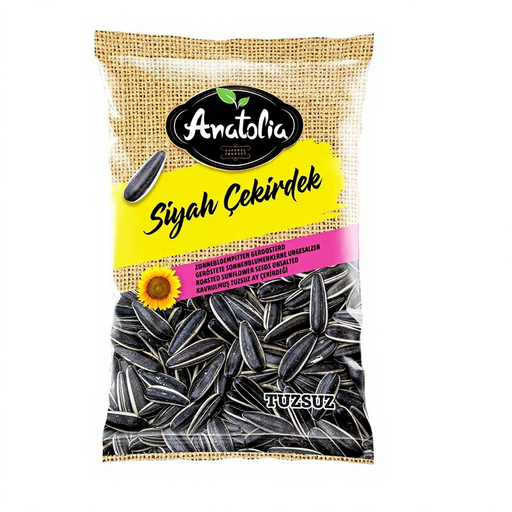
Anatolia unsalted sunflower seeds, 140 g
If you’d prefer unsalted seeds to nuts after your workout, this 140 g pack could be a good option.
To compare fat content, check the figure per 100 g on the pack; if you have an allergy, also check the information about peanuts and nuts.
View at Joybuy
 No image available
Seeberger roasted, unsalted cashew kernels, 150 g
These cashews are a good choice if you’re looking for a roasted, unsalted nut snack. The pack contains 150 g.
Unsalted doesn’t mean reduced fat: compare the fat content per 100 g and check the ingredients information if you have an allergy.
View at Joybuy
 No image available
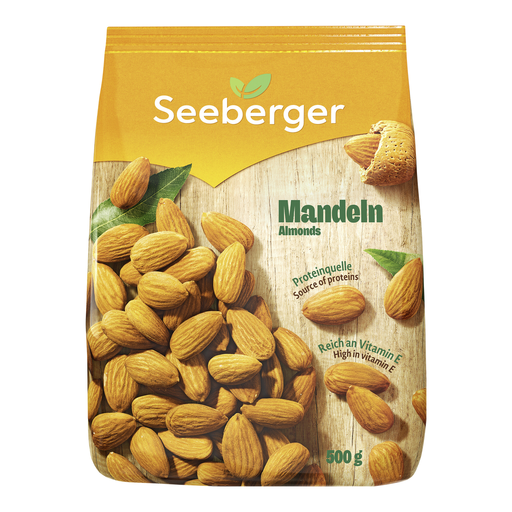
Seeberger whole Extra almonds, natural, 500 g
If you want to portion plain almonds yourself, this 500 g pack is one option.
‘Natural’ doesn’t mean lower in fat. Check the fat and protein content per 100 g, as well as the allergen information on the pack.
View at Joybuy
 No image available
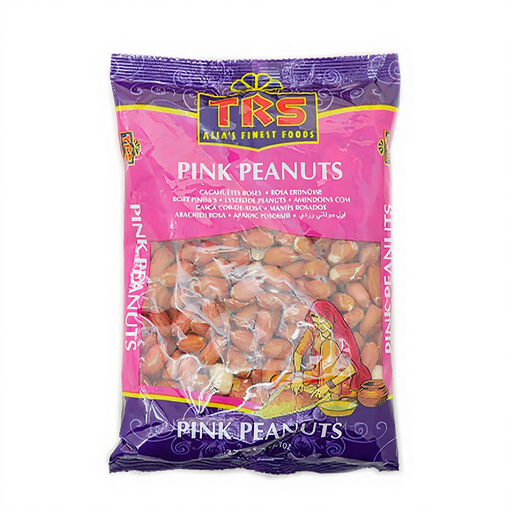
TRS Pink peanuts, 375 g
These peanuts could be a good option if you want to portion out a peanut snack yourself after your workout. The pack contains 375 g.
Compare the fat and protein content per 100 g; if you have a peanut allergy, the ingredients labelling is essential.
View at Joybuy
 No image available
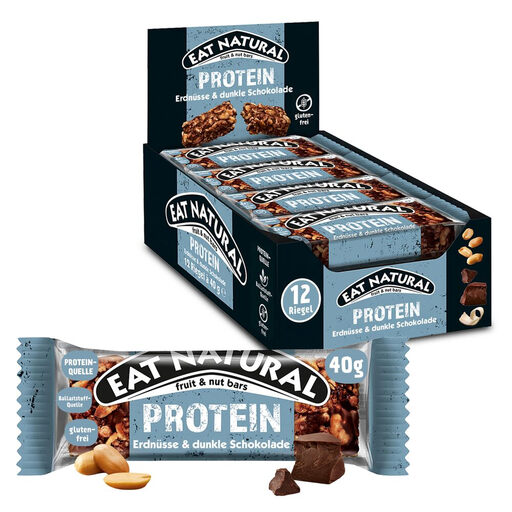
Eat Natural protein bars with peanuts and dark chocolate, 12 × 40 g
If you prefer an individually portioned bar after your workout, you can compare this pack of 12 bars, each weighing 40 g, with nut snacks.
Compare protein and fat using the same measure. If you have an allergy, read the ingredients and precautionary allergen information; ‘protein bar’ doesn’t mean reduced fat.
View at Joybuy
Frequently asked questions
What does ‘reduced fat’ mean on a nut snack?
According to the German consumer advice centre, a product making this claim must contain at least 30% less fat than a comparable product. Check what it is being compared with, then look at the fat content per 100 g and per portion.
Are plain nuts automatically the lower-fat choice after a workout?
No. ‘Plain’ describes the product type, not a reduction in fat. If less fat is your main priority, compare the nutrition information for the specific products and the amount you plan to eat.
What should I look out for if I have a nut allergy?
Check the ingredients list on the specific pack and take account of precautionary allergen information in line with your individual requirements. The German Food Federation explains that allergenic ingredients are identified in the ingredients list; the front of the pack alone isn’t enough to make this decision.
Is a nut-based protein bar automatically lower in fat?
No. A bar with peanuts and almonds listed by EDEKA24 contains 26 g of protein and 29.7 g of fat per 100 g. For the specific product you choose, compare protein, fat and sugar per 100 g and per bar.


