What should you look for when buying?
First, make sure nuts are in a suitable form for a nursery lunch. Then you can assess the ingredients, unit price and whether the pack size is one you can realistically use.
| Criterion |
What to check before buying |
Who it matters to |
| Age-appropriate form |
Only plan to use whole nuts if you’ll prepare them in a child-friendly way before serving; alternatively, check whether nut butter is suitable for the dish you have in mind. |
If I want my toddler to have nuts in their lunchbox, I don’t want to pack whole nuts. Around 36% of consumers put age-appropriate form first. |
| Allergens and nursery rules |
Read the ingredients and precautionary allergen information on the pack, and check whether the nursery allows nuts to be brought in. |
If your child has a known allergy or the nursery has rules about nuts, your choice must meet those requirements. For around 29% of consumers, this comes first. |
| Unit price and quantity |
Compare the price per kilogram for the same type of nut and similar processing; only buy an amount you’ll use. |
If you regularly use nuts in family meals, you’ll want to choose a pack size that matches how much you actually use. Around 21% of consumers prioritise value for money. |
| Storage and leftovers |
Before buying, make sure you have room to store the nuts and a plan to use them once opened. |
If you only use nuts occasionally, you don’t want a large amount left over to lose its quality. That’s why around 14% of consumers prioritise a stock-up quantity they can manage. |
Joybuy products for stocking up and preparation
This selection includes larger packs to prepare at home, a smaller pack of almonds for lower usage and peanut butter as a spreadable alternative to whole nuts. To see whether a pack is good value, compare its unit price with similar products.
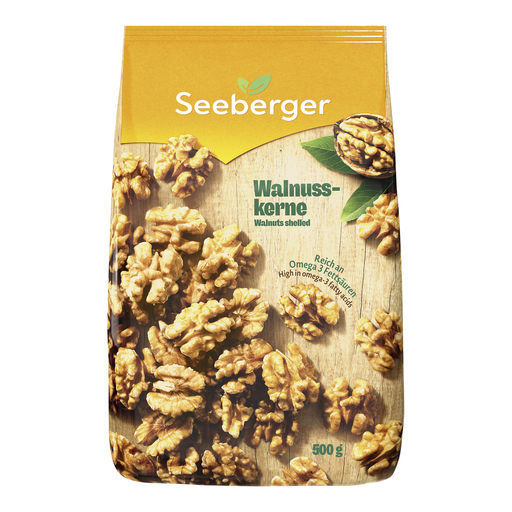 Image unavailable
Seeberger walnut kernels, 500 g
For households that regularly use walnut kernels in home cooking. The pack contains 500 g; whole nuts are not a direct snack for toddlers. Check the pack’s allergen information and the nursery’s rules.
View at Joybuy
 Image unavailable
Seeberger whole natural almonds Extra, 500 g
For stocking up on almonds to prepare at home before a nursery lunch. The pack contains 500 g of whole almonds; make sure the preparation and allergen information are suitable for your child and comply with the nursery’s rules.
View at Joybuy
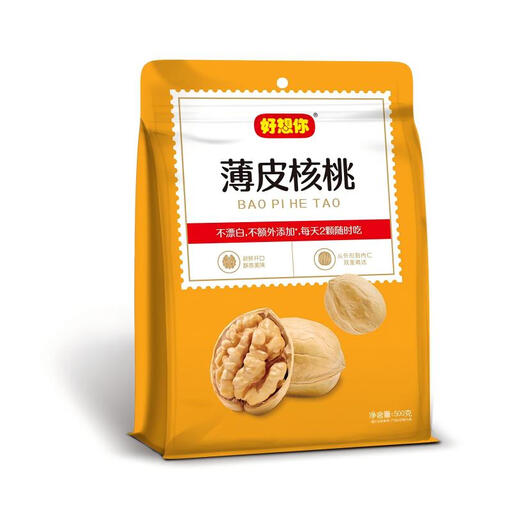 Image unavailable
Haoxiangni thin-shell walnuts, 500 g in eight packs
For stocking up with several individual packs to use at home. The product title states that the eight packs contain 500 g in total. Check the form of the walnuts before buying; whole nuts should not go straight into a toddler’s lunchbox as a snack.
View at Joybuy
 Image unavailable
PCD peanut butter, 500 g
A spreadable alternative if you’re planning to use peanut butter in a dish instead of whole nuts. The pack contains 500 g. Peanuts are not the same as tree nuts; check the ingredients, allergen information and the nursery’s rules.
View at Joybuy
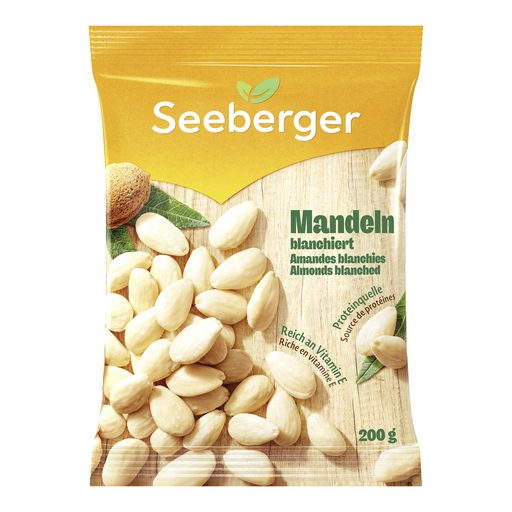 Image unavailable
Seeberger blanched whole almonds, 200 g
The smaller 200 g pack may suit you better if a large quantity would be more than you can use. Blanched whole almonds also need to be prepared in a child-friendly way before a toddler’s nursery lunch; check the allergen information too.
View at Joybuy
Frequently asked questions
Can I put whole nuts in my toddler’s lunchbox?
Whole nuts should not be packed as a snack for toddlers. Germany’s Federal Institute of Public Health warns of the risk of choking and suggests nut butter, or finely chopped or puréed nuts, as possible forms to use in food.
How can I use ground nuts in a nursery lunch?
Mix ground nuts into a suitable dish rather than serving them dry. Germany’s Federal Institute of Public Health recommends using a child-friendly form for toddlers; before packing the food, also check the nursery’s rules and consider your child’s individual allergy situation.
What should I check about nut allergens for nursery?
Check the ingredients and precautionary allergen information on the specific pack, as well as the nursery’s rules. The ja! almond products listed by REWE have different possible traces depending on the variety; if your child has a known allergy, their individual requirements are what matter.
How should I store an opened bulk pack of nuts?
The consumer advice centre recommends storing opened, peeled or chopped nuts in a tightly sealed container in the fridge. Choose a pack size that suits how much you use, and don’t eat nuts that are mouldy or smell noticeably musty or rancid.
Is a 500 g pack always cheaper than a smaller bag?
No. Weight alone doesn’t guarantee better value. Compare the current price per kilogram for the same type of nut and similar processing, and consider whether you’ll use the larger quantity in time.


