Collectors who notice the carving details
If you want to show individual notches, wood grain and small painted areas at a larger size, pay particular attention to the close-up capabilities of the specific lens.


A compact camera with a documented close-up mode is a good choice for occasional detail shots without changing lenses. If you want to capture individual carving marks at a larger size, a system camera with a suitable macro lens gives you more flexibility when choosing your optics. What matters is the magnification of the lens actually being used, not just the camera body; a very short shooting distance can make lighting more difficult. For deep carvings, focus bracketing can help: it captures several focus planes, while combining them may need to be done separately, depending on the camera model.
If you want to show individual notches, wood grain and small painted areas at a larger size, pay particular attention to the close-up capabilities of the specific lens.
When photographing a stationary nutcracker with areas at different depths, consider whether you can keep the face, beard or clothing sharp across several focus planes.
If you want to photograph both the whole figure and individual details without changing lenses, consider a compact camera with a close-up mode and weigh up the effort involved in lighting and accessories.
First decide whether you value an easy switch between a full view and a close-up more, or the ability to choose a macro lens specifically for individual carving details.
A good fit if: you want to capture both full views and close-ups without changing lenses.
Consider: A short shooting distance does not mean 1:1 magnification, and may leave little room for side lighting.
A good fit if: you want to capture individual notches or wood grain at a larger size and control the framing through your choice of lens.
Consider: The macro lens must be compatible with the camera mount and is chosen separately from the body. Depth of field remains shallow at close range.
There are four different things to consider for this kind of photography: magnifying details, keeping several depth planes in focus, controlling the light and keeping your setup simple.
| What you need | What to check before buying | Who is this important to? |
|---|---|---|
| Magnify small carving details | For interchangeable lenses, check the stated magnification ratio and lens mount. With compact cameras, don’t assume that a close-up mode or shooting distance means 1:1 magnification. | If I want to show individual notches or wood grain at a larger size, the magnification of the specific lens matters to me. Around 36% of consumers would prioritise small carving details. |
| Keep several depth planes in focus | Check whether the specific camera supports focus bracketing, in-camera focus stacking or only a manual focus series. | When photographing a deeply carved face, I want to keep both raised and recessed areas in focus; a steady setup is important. Around 29% of consumers would prioritise sharpness across several depth planes. |
| Use lighting to bring out the wood texture | Check whether there is room for side lighting at your preferred shooting distance and whether your existing lighting suits the planned setup. | If I want to show the surface texture, I need to be able to control the direction of the light without the lens blocking access to the figure. Around 21% of consumers would prioritise controllable lighting to bring out texture. |
| Switch easily between the whole figure and details | Check what’s included and the close-up capabilities of the camera and lens combination actually on offer. | When photographing the whole figure and individual details, I don’t want to change lenses each time. Around 14% of consumers would prioritise a simple setup. |
Macro magnification is a feature of the individual lens, not just the camera body.
Check the body, included lens, mount and stated magnification ratio separately.
Shooting distance and magnification ratio describe different things. At a very short distance, there may also be little room for lighting.
For a camera with a fixed lens, check that it gives you the framing you want. With interchangeable lenses, compare the stated magnification ratio.
A focus series starts as several separate shots. Whether the camera combines them in-camera depends on the mode available on that particular model.
Before buying, check the difference between focus bracketing and in-camera focus stacking, and make sure you have a stable setup for a focus series.
Combining the individual shots can take extra time.
The Tough TG-7 is a compact camera with a fixed lens, microscope mode and focus stacking. It’s an option for close-ups without changing lenses.
The EOS R50 is an RF system camera body. The RF 100mm F2.8L Macro IS USM is a separate lens option to consider.
There are documented macro lenses for the Z system, which can be paired with a compatible camera body such as the Z50II.
The FE 90mm F2.8 Macro G OSS is a macro lens for compatible Sony E-mount cameras.
Joybuy product options related to this topic. Check how suitable they are for close-ups of carved details by looking at the specific focusing capabilities.
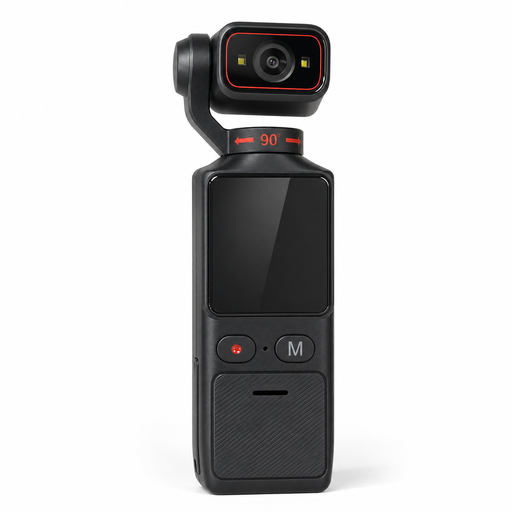 No image available
A photo mode and a 1/4-inch tripod socket are listed. Before choosing it for fine carving details, check that its focusing lets you achieve the framing you want.
Not as the only factor to consider. It also matters how large the specific lens or close-up mode can make the area you want to photograph. With the Canon EOS R50, the body specifications are different from the macro specifications of a separately chosen RF lens.
Keep the camera and figure steady. If one shot doesn’t provide enough depth of field, you can capture several focus positions with a compatible camera. Check whether the camera combines the images in-camera or whether you’ll need to edit them later.