Regular nut snackers
If you eat the same type of nut on many afternoons, a larger pack could be a good option. Just make sure you’ll finish it and store it somewhere cool and dark once opened, as recommended by the Verbraucherzentrale.


A 500 g pack of nuts is a good choice for regular afternoon snacking if everyone in your household enjoys the same variety and you can store the opened pack properly. If you only snack on nuts occasionally or like to mix things up, consider smaller packs and mixed varieties too. If you have allergies, always check the ingredients list and allergen information before considering pack size.
If you eat the same type of nut on many afternoons, a larger pack could be a good option. Just make sure you’ll finish it and store it somewhere cool and dark once opened, as recommended by the Verbraucherzentrale.
If several people are sharing a pack, think about how much you’ll actually need and which variety you all prefer. Even when there’s a limited-time offer, don’t buy a bigger pack than your household can get through just because it’s available.
If you only eat nuts now and then or like to switch between varieties, a smaller pack or a mix may suit you better. Check the ingredients in mixed packs: a nut and fruit mix is not the same as a mix made up entirely of nuts.
First, think about how quickly you’ll get through an opened pack. Then choose the variety, ingredients and pack size that suit you.
| Consideration | What to check | Who it matters to |
|---|---|---|
| Pack size and how much you eat | Compare the pack weight with your usual consumption and the number of people snacking. | If I regularly reach for the same type of nut, I want to be sure I can finish a larger pack. Around 33% of consumers put this first. |
| Storage after opening | Check whether you can store the contents properly. If you’re buying shelled nuts, make room for a container in the fridge. | If I only eat nuts occasionally, I want to avoid an opened pack losing its quality. This is the main concern for around 27% of consumers. |
| Ingredients and portion size | Check the ingredients and nutritional information per 100 g, especially for roasted, salted or sweet varieties. | For my regular snack, I want to know what’s in it and how much I’m eating each time. Around 20% of consumers focus mainly on this. |
| Varieties and mixes | Choose between a single variety, a pure nut mix and a nut and fruit mix; check which varieties are included. | If I’m looking for variety, I want to enjoy every ingredient in the mix. This choice of varieties is the most important factor for around 20% of consumers. |
A larger pack is only practical if you’ll get through it in time. The Verbraucherzentrale recommends storing nuts somewhere cool and dark. For shelled nuts, storage is particularly important once the pack is open.
Choose a size that matches how much you usually eat. Transfer any opened shelled nuts to an airtight container and keep it in the fridge.
If you have to throw nuts away because they’ve lost their quality, buying a larger pack is less worthwhile.
A mix may contain different nuts, peanuts or other ingredients. If you have an allergy, the name on the front of the pack isn’t enough to tell you what’s inside.
Check the full ingredients list and allergen information for every product. Lebensmittelklarheit points out that common allergens must be labelled on food products.
A larger pack may only be available for a limited time. For example, ALDI SÜD labels its 500 g pack of FARMER NATURALS Walnusskerne XXL as a limited-quantity item.
Before you shop, check that your preferred variety and size are available, and have a suitable alternative in mind.
Seeberger sells nuts, kernels and mixes in a range of pack sizes.
Lidl’s Alesto range includes natural nuts, dried fruit and seasoned snacks.
This own-label range includes nuts and dried fruit, with larger packs available from time to time.
REWE sells its own-label products alongside other nut brands.
EDEKA24 sells own-label nuts and mixes alongside products from other brands.
This selection includes larger packs of individual nut varieties and mixed nuts in different sizes. The right choice depends on whether you regularly eat one variety, prefer nuts in their shells that you can crack yourself, or would rather have a mix for occasional snacking.
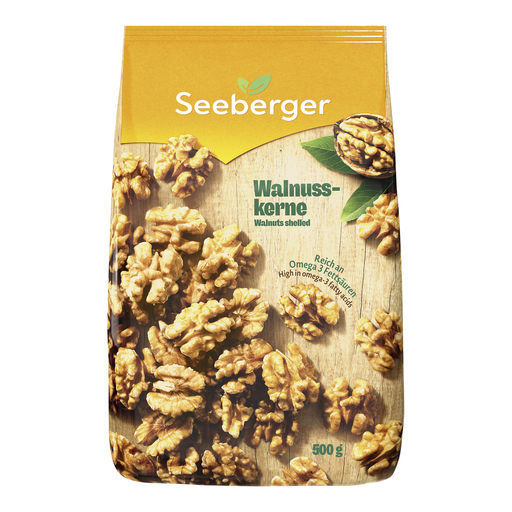 No image available
For a household that eats walnut kernels regularly and can store an opened larger pack properly.
500 g of walnut kernels; unlike walnuts in their shells, these kernels don’t need cracking.
 No image available
A larger pack for people who regularly choose whole almonds rather than a nut mix.
500 g of whole almonds. When choosing, consider how quickly you’ll get through the pack once it’s open.
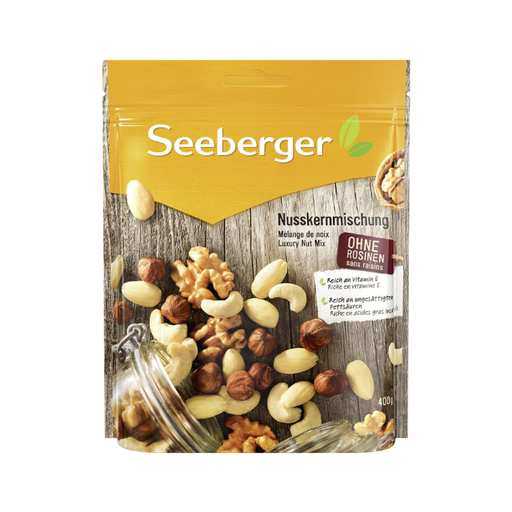 No image available
For people who prefer a mix to a single type of nut and regularly get through 400 g.
400 g nut mix without raisins. Check the ingredients list if particular nuts or allergens matter to your choice.
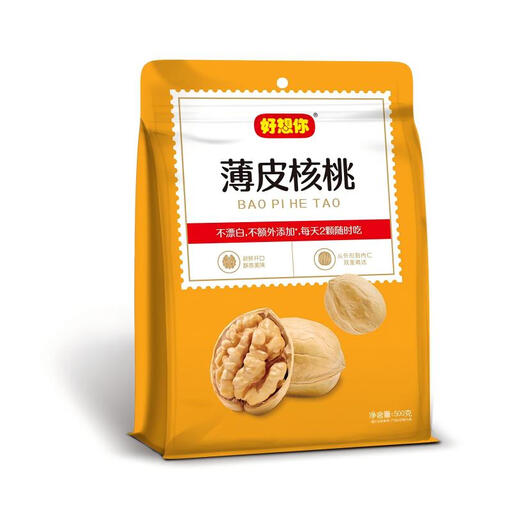 No image available
For people who prefer walnuts in their shells and like to crack them themselves before eating.
500 g in eight packs. Check the storage instructions on the packaging before planning to buy a larger supply.
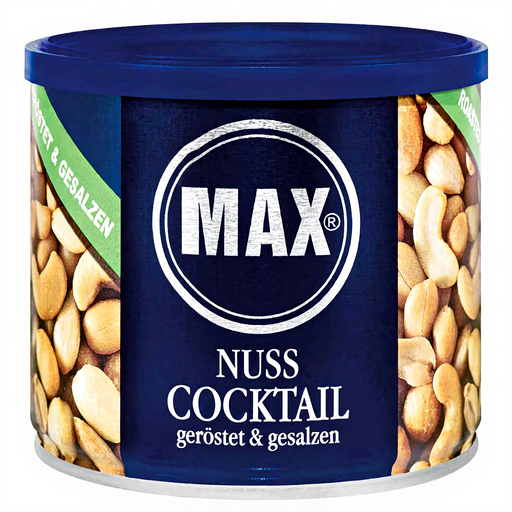 No image available
A smaller mix for people looking for a roasted, salted snack rather than natural nuts.
250 g. Compare the ingredients and nutritional information with other mixes if the recipe is an important factor for you.
A 500 g pack is a good choice if you eat nuts regularly and can store the opened pack properly. If you only reach for nuts now and then, a smaller pack may be easier to finish.
Nuts should be stored somewhere cool and dark. For opened packs of shelled nuts, the Verbraucherzentrale recommends using an airtight container in the fridge. Don’t eat nuts if they’re mouldy or smell rancid.
No, the ingredients and nutritional information may differ. For a specific product, check the ingredients list and the salt and sugar content per 100 g rather than assuming the terms mean the same thing.
Check the full ingredients list and allergen information on every pack, especially for mixes. Lebensmittelklarheit highlights the labelling requirements for common allergens; the name of a mix alone won’t tell you everything it contains.