Guests comparing fat and calories
You want to choose a snack without assuming that ‘less fat’ means fewer calories. The nutrition information on the specific pack is what matters.


Unsalted nuts are a good choice for your Boxing Day buffet if you’d like to serve nuts while keeping an eye on added salt — but not if you’re looking for a low-fat option. The nut mixes listed by REWE and EDEKA24 contain 56.8 and 59 g of fat per 100 g respectively; Verbraucherzentrale defines ‘low fat’ for solid foods as no more than 3 g per 100 g. If reducing fat is your main priority, compare other types of snack by fat, energy and salt, as less fat does not automatically mean fewer calories.
You want to choose a snack without assuming that ‘less fat’ means fewer calories. The nutrition information on the specific pack is what matters.
You’d like to offer a clearly labelled unsalted nut option alongside savoury buffet dishes. Whether it also suits your preferred fat content is a separate question.
Before decanting, check the information about peanuts and tree nuts, and make it available to guests alongside the serving bowls.
First decide whether you want to serve nuts or are looking for another type of snack. Then compare the nutrition information per 100 g; for buffet planning, you’ll also need to consider portion size and allergen information.
| Criterion | What to check when buying | Who it matters most to |
|---|---|---|
| Fat and energy | Compare fat and energy per 100 g with a suitable snack; don’t interpret a claim about less fat as a claim about fewer calories. | I want to find a snack that fits my fat and calorie goals, rather than relying solely on the front of the pack. This is the top priority for around 33% of consumers. |
| Portion size | Consider the pack size and the amount you plan to put in the serving bowl; keep refills separate. | At a long buffet, I want to be able to see how much nut mix or nuts are available, and would rather top up smaller bowls. This is the main concern for around 27% of consumers. |
| Salt and seasoning | Check the salt per 100 g and the ingredients list; don’t assume ‘roasted’ means ‘salted’. | If there are already savoury dishes on the table, I’d also like to offer an unsalted snack. Around 20% of consumers put this choice first. |
| Allergen information | Read the ingredients and ‘may contain’ information on the specific pack, and keep it available when decanting. | I need clear information about peanuts and tree nuts for my guests, even when the snacks are served in bowls. This is a priority for around 20% of consumers. |
According to their product information, the unsalted nut mixes from REWE and EDEKA24 contain 56.8 and 59 g of fat per 100 g respectively. Information about added salt tells you nothing about the fat content.
Choose ‘unsalted’ to suit your preference about salt, and compare fat and energy separately.
Verbraucherzentrale NRW points out that less fat does not automatically mean fewer calories. Its market sample also found high salt levels to be a concern.
Compare fat, energy and salt per 100 g with the snack you’re planning to replace.
Peanuts and tree nuts are relevant allergens. Without the original information, it can be difficult to match ingredients and possible ‘may contain’ warnings to a serving bowl.
Keep the relevant pack and label the bowls so guests can check the information that applies to them.
Even plain nuts can contain a lot of fat and energy per 100 g. At a longer buffet, it’s harder to keep track of how much is being served from one large, open bowl.
Put out smaller bowls and top them up as needed; offer other buffet options alongside them.
Seeberger offers nuts, seeds and mixes in a range of varieties, including plain, salted and roasted options.
The roasted, unsalted 5-Nut Mix is a nut mix for a buffet without added salty seasoning.
The unroasted, unsalted nut kernel mix is another option with no stated added salt.
Lidl’s Alesto range includes both plain nuts and seasoned party snacks.
ALDI SÜD sells, among other products under these names, plain nut mixes and roasted, salted peanuts.
This Joybuy selection includes a peanut snack, nut and fruit mixes, and roasted cashews. Compare each pack according to your main priority: a mix containing fruit or an unsalted nut is not automatically low in fat.
 No image available
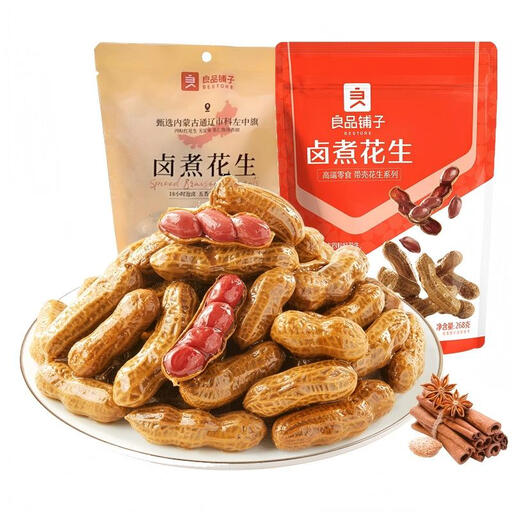
A good choice for a buffet where you’re looking for a seasoned peanut snack. The pack contains 268 g; before choosing, pay particular attention to fat and salt, and keep the peanut allergen information available when serving.
 No image available
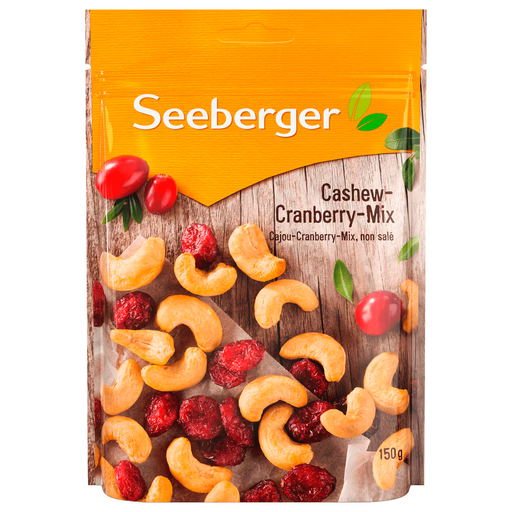
For guests who’d prefer a cashew and cranberry mix to plain nuts. The pack contains 150 g; as well as fat and energy, consider the sugar content and allergen information.
 No image available
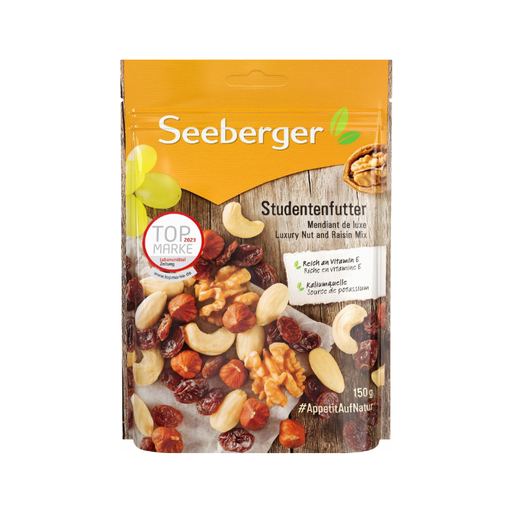
For a buffet with a nut and fruit mix rather than just one type of nut. The pack contains 150 g; compare fat, energy and sugar, and keep the tree nut information available when decanting.
 No image available
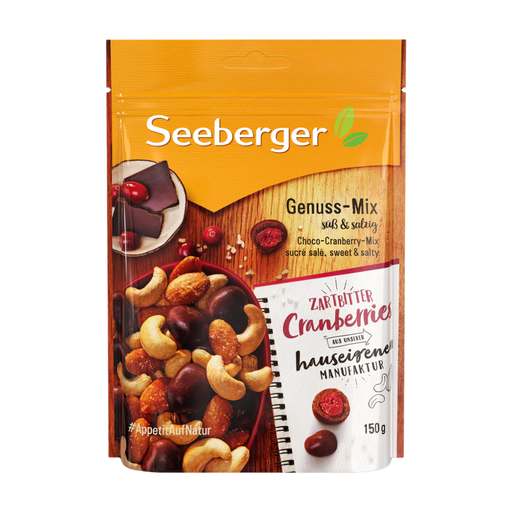
For guests looking for a sweet and savoury nut and fruit mix to snack on. The pack contains 150 g; for your buffet, check fat, energy, sugar, salt and allergen information together.
 No image available
For a buffet with roasted, unsalted cashews instead of a seasoned mix. The pack contains 150 g; ‘unsalted’ doesn’t replace the need to compare fat and energy. Keep the cashew allergen information available.
No. ‘Unsalted’ doesn’t describe the fat content. REWE lists 56.8 g of fat per 100 g for its unsalted 5-Nut Mix, while EDEKA24 lists 59 g for an unsalted nut kernel mix. Verbraucherzentrale defines ‘low fat’ for solid foods as no more than 3 g of fat per 100 g.
You can’t tell from the type of snack or a lower fat figure alone. Verbraucherzentrale NRW points out that less fat doesn’t automatically mean fewer calories; compare fat, energy and salt per 100 g on the specific packs.
Small bowls with separate refills make it easier to keep track of what’s available than one large, open pack. The German Nutrition Society recommends around 25 g of nuts or seeds a day as a general guide; this isn’t a set portion size for every buffet guest.
Make sure the information on each pack remains clearly linked to its serving bowl. Check the ingredients and ‘may contain’ warnings for peanuts and tree nuts, and keep the packaging so guests can refer to it; a general sign is no substitute for information about the specific product.