Households that eat nuts regularly
If you shop for several people, a larger pack may be a good choice when that type of nut is eaten or used in recipes often. The key is whether your household will use the whole pack.


A bulk pack of nuts can work well for a larger household if you use that type regularly and the quantity matches how much you get through. Plain nuts can be used in a variety of recipes; for snack mixes, check the ingredients and salt content on the specific pack. If toddlers will be eating them, keep whole nuts out of their reach.
If you shop for several people, a larger pack may be a good choice when that type of nut is eaten or used in recipes often. The key is whether your household will use the whole pack.
For muesli, baking and savoury dishes, check the ingredients: a salted snack variety may not suit every recipe you have in mind.
In these households, the information on the specific pack and a form suitable for toddlers matter more than the pack size.
First, decide which type of nut and quantity your household can use. Then check the ingredients and information for everyone who will be eating them.
| Criterion | What to check | Especially important for |
|---|---|---|
| Pack size | Compare the weight with your planned usage and the best-before date for the type you have chosen. | If a particular type regularly features on the menu, I want to buy enough for a stock-up that my household can use up. Around 33% of consumers prioritise this comparison between quantity and usage. |
| How you’ll use them | Choose between a single type or a mix, and plain or seasoned nuts, according to the dishes you have planned. | If I want to use the same pack in muesli and various dishes, I need a mix that suits those uses. Around 27% of consumers consider this their top priority. |
| Ingredients and salt | Read the ingredients list and, for salted varieties, check the salt content per 100 g. | With snack nuts, I want to know what they contain besides nuts. This check is a priority for around 20% of consumers. |
| Allergens and form | Check the allergen and ‘may contain’ information on the pack; do not give whole nuts to toddlers. | If allergies or toddlers are a consideration in your household, the specific pack must be suitable for your circumstances. This is the main concern for around 20% of consumers. |
Even a type of nut you use often only makes sense as a stock-up if your household can get through the quantity before the stated best-before date.
Compare the pack weight and best-before date with the meals you plan to use the nuts in.
According to REWE, REWE Beste Wahl Jumbo Peanuts Roasted and Salted contain peanut kernels, sunflower oil and table salt. This combination won’t work as it is in every baking or cooking recipe.
Check the ingredients list for recipes. For salted products, it’s also worth comparing the salt content per 100 g.
The Federal Institute for Public Health warns that whole nuts can pose a choking risk to toddlers. Dry nut flour is not suitable to serve directly either.
For toddlers, use smooth nut butter or finely ground nuts stirred into a moist dish. Store bulk packs out of their reach.
A nut mix may contain several types of nuts, and the pack may also list possible traces of other allergens. So the name of the mix alone isn’t enough to help you choose.
If someone has a diagnosed allergy, check every specific pack in line with medical advice. If a product is recalled, compare the product, batch and best-before date.
The range includes individual types of nuts, kernels and mixes in different pack sizes.
Alesto is a Lidl brand covering nuts, dried fruit and snacks.
ALDI SÜD sells roasted nuts and nut mixes in 200 g packs under this name, among other products.
The range includes roasted and salted Jumbo peanuts as a snack option.
EDEKA24 is an online retailer, not an own-brand nut range. It also sells products from other brands.
This selection includes individual types of nuts and a mix in packs ranging from 500 g to 1 kg. Choose the option that suits your household’s usage, based on how you plan to use it, the ingredients and any preparation required.
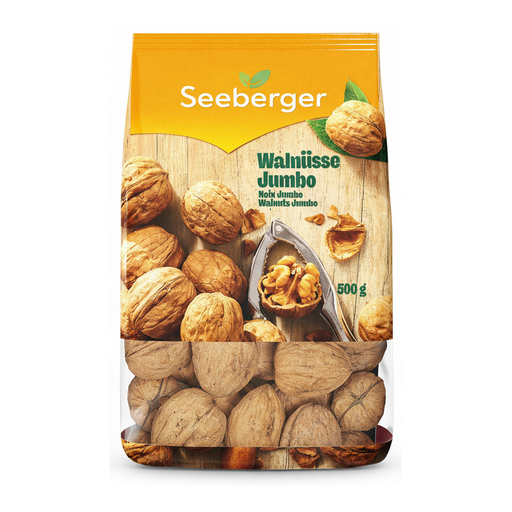 Image unavailable
A pack containing a single type of nut, for when you regularly use walnut kernels in meals or recipes. If you have an allergy, check the information on the specific pack; whole nuts are not suitable for toddlers.
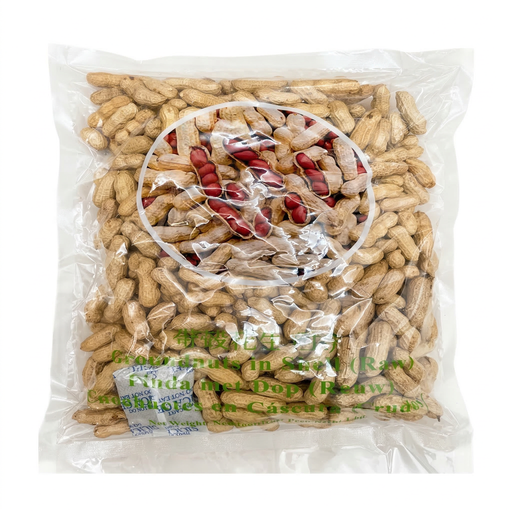 Image unavailable
The 1 kg pack may suit you if you regularly use peanuts in shell in your cooking. Don’t treat them as a ready-to-eat snack: follow the preparation instructions on the specific pack before eating. Whole peanuts are not suitable for toddlers.
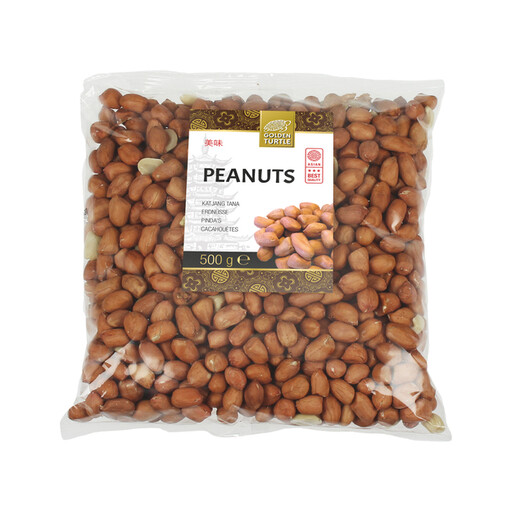 Image unavailable
These peanuts with skin may suit a household looking to use 500 g in planned dishes. Check the preparation instructions before eating, and if you have an allergy, check the information on the specific pack.
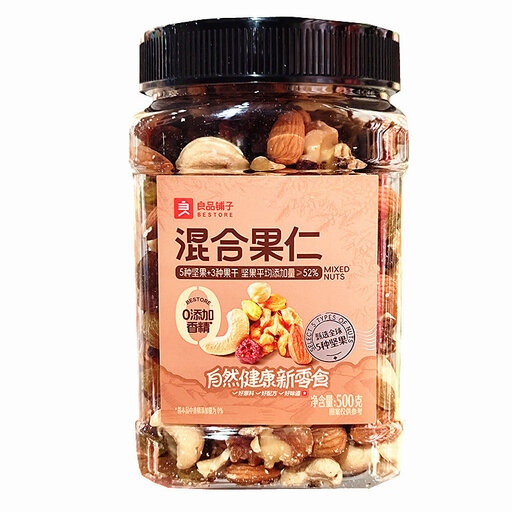 Image unavailable
A mix for households looking for a 500 g pack with a variety of ingredients rather than just one type of nut. Before buying, read the ingredients, salt and allergen information on the specific pack; whole nuts are not suitable for toddlers.
It’s a good fit when you use that type of nut regularly and the pack weight matches how much you plan to use. Check the best-before date and make sure you can store the pack as directed.
Toddlers should not be given whole nuts because of the risk of choking. The Federal Institute for Public Health lists smooth nut butter or finely ground nuts stirred into a moist dish as suitable ways to serve them; dry nut flour should not be offered on its own.
Check the ingredients, highlighted allergens and possible traces on every specific pack. If you have a diagnosed allergy, follow medical advice when choosing products. The Verbraucherzentrale explains how ingredients and allergens are labelled on packaged foods.
Compare the product name, batch and best-before date in the notice with the details on your pack. Official food alerts are published by the German federal states and the Federal Office of Consumer Protection and Food Safety through their joint warning portal.