Which nuts are right for your morning coffee break depends first on what you need to avoid. A nut mix is not automatically allergen-free, and if you’re allergic to a particular type of nut, that nut isn’t an option either. If you’re looking for a simple recipe, compare single-variety products with unsalted options. If you need to follow a gluten-free diet, also check that the specific pack is clearly labelled as gluten-free.
Who should pay attention to these buying criteria?
People with a nut or peanut allergy
Before making a choice, you need to know exactly which type triggers your allergy. According to the Federal Ministry of Agriculture, Food and Home Affairs, tree nuts and peanuts are among the allergens that must be labelled. Check the ingredients and any precautionary allergen information on the current pack; a general ‘free-from’ impression isn’t enough.
People who need to avoid gluten
If you need to follow a gluten-free diet because of coeliac disease, an explicit ‘gluten-free’ label is more informative than an ingredients list with no cereals in it. Regardless, check which nuts and other allergens the product contains.
People who prefer a simple nut recipe
For a quick coffee break, you might prefer plain or unsalted nuts to a seasoned mix. Compare the ingredients and nutritional information on each pack, paying particular attention to the salt content per 100 g.
What should you look for when buying?
First, establish which allergen or ingredient you need to avoid. Then compare the recipe and pack size to find an option that suits your coffee break.
| Criterion |
What to check |
Who it matters to |
| Specific allergen |
Check the ingredients, highlighted allergens and precautionary allergen information on the current pack. If you’re allergic to a particular type of nut, choosing that nut on its own isn’t an alternative. |
If a particular nut or peanuts trigger my allergy, I need to be able to identify them clearly before choosing a snack; this check is a priority for around 36% of consumers. |
| Gluten labelling |
If you need a gluten-free diet, look for an explicit ‘gluten-free’ statement; an ingredients list without cereals is no substitute. |
If I have coeliac disease, I don’t want to rely on a quick glance at the ingredients alone; around 29% of consumers prioritise clear gluten labelling. |
| Salt and additives |
Compare the ingredients and salt content per 100 g. Check whether the product is unsalted or a seasoned snack with additional ingredients. |
With my morning coffee, I want to choose whether the recipe includes salt or sweetening ingredients; this is the main consideration for around 21% of consumers. |
| Pack size |
Compare the pack weight and, where relevant, whether it can be resealed, without skipping the ingredients and allergen checks. |
For a quick break, I’m looking for a pack that’s easy to take with me or store away; pack size is the top priority for around 14% of consumers. |
Common buying misconceptions
-
Assuming ‘free from’ means allergen-free
A product may, for example, be labelled gluten-free and still contain nuts or peanuts. The label only answers the specific question it refers to.
Work out what you need to avoid, then read the ingredients and highlighted allergens on the specific pack.
-
Treating a mix like a single type of nut
The Gut & Günstig nut kernel mix described by EDEKA24 contains hazelnuts, cashews, almonds and walnuts. It isn’t suitable if you need to avoid any of those varieties.
If you need to avoid certain varieties, compare a single-variety pack with the mix, and check both for precautionary allergen information too.
-
Assuming precautionary allergen information means the same thing on every pack
According to the German Federal Institute for Risk Assessment, there is no uniform legal labelling requirement for precautionary statements about possible traces of allergens. So the wording alone can’t confirm that a product is safe for you personally.
Take the information on the current pack into account, along with your own specific guidance on how to handle possible traces.
-
Confusing ‘plain’ with ‘unsalted’
Nut products vary in their ingredients and seasoning. For example, ALDI SÜD sells both plain options and roasted, salted peanuts.
As well as checking the product name, read the ingredients list and check the salt content per 100 g in the nutritional information.
Brands and product ranges to help you choose
Seeberger
Seeberger offers nut kernel mixes and trail mixes in a range of pack sizes. The recipe of each product is what matters when choosing.
- Seeberger describes its nut kernel mix as unroasted and free from salt and seasoning.
- Seeberger warns that this mix may be subject to cross-contamination, so it isn’t automatically allergen-free.
Alesto (Lidl)
Lidl’s Alesto range includes plain nuts as well as separate seasoned snack options.
- The distinction between plain cashews or almonds and seasoned products makes it easier to narrow down your options by recipe.
- For allergens, possible traces and added ingredients, always check the labelling on the product you choose.
Gut & Günstig (EDEKA)
The walnut kernels and the unroasted, unsalted nut kernel mix described by EDEKA24 show the difference between a single variety and a mix.
- The walnut kernels described contain walnuts as their only ingredient.
- The walnut kernels may contain traces of other tree nuts, peanuts and soya; the mix contains four types of tree nut.
FARMER / FARMER NATURALS (ALDI SÜD)
ALDI SÜD’s ranges include plain nuts as well as roasted, salted or seasoned options.
- The different recipes make it easier to compare ingredients and salt content.
- ALDI SÜD notes that suppliers may vary for one peanut product; check the information on the pack you actually buy.
Nut products at Joybuy
This selection includes individual nut and kernel varieties in different pack sizes. Compare the specific variety and pack labelling with what you need to avoid; none of these products is suitable for someone with an allergy or following a gluten-free diet simply because it appears here.
 Image unavailable
Seeberger roasted unsalted cashew kernels, 150 g
An option for your coffee break if you can eat cashews and are looking for roasted, unsalted kernels.
Contains cashews. If you have other allergy requirements or need a gluten-free label, check the current pack.
View at Joybuy
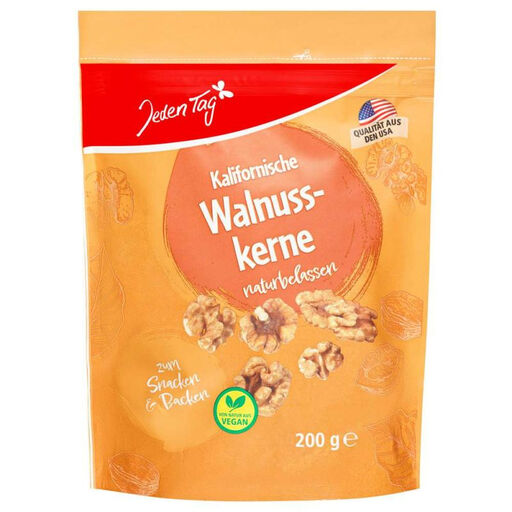 Image unavailable
Jeden Tag California walnut kernels, 200 g
A single-variety option for your break if walnuts are suitable for you.
Contains walnuts. Possible traces of sesame, cereals containing gluten, soya and peanuts are listed for this product; check the information against the current pack.
View at Joybuy
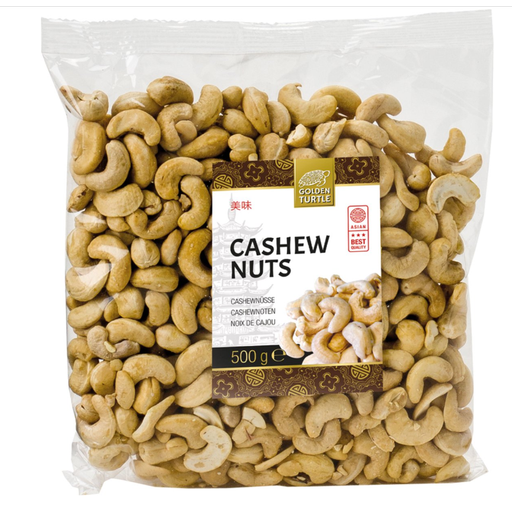 Image unavailable
Golden Turtle cashew kernels, 500 g
The 500 g pack may suit you if you’re looking for cashews to enjoy over several coffee breaks and can eat this variety.
Possible cross-contamination with peanuts, other nuts, cereals containing gluten, soya, mustard and sesame is listed for this product. Check the current pack before buying.
View at Joybuy
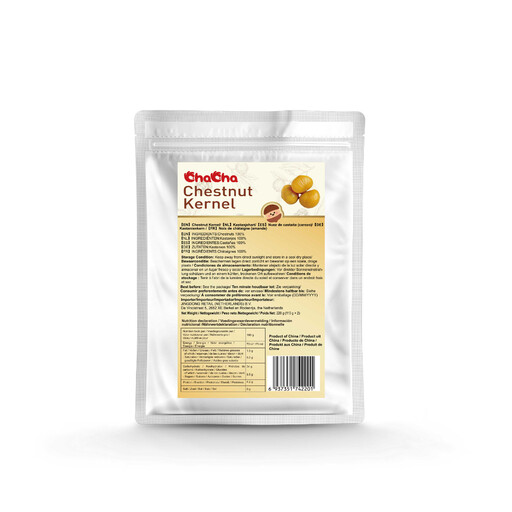 Image unavailable
ChaCha chestnut kernels, 220 g
Chestnut kernels are a different kind of snack from the cashew and walnut products in this selection. Check the specific ingredient to decide whether they suit your needs.
Contains chestnuts. Check the current pack for possible traces and for a gluten-free label if you need one.
View at Joybuy
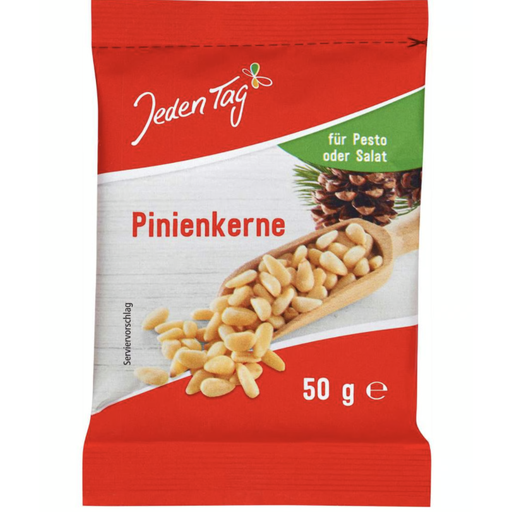 Image unavailable
Jeden Tag organic pine nuts, 50 g
The 50 g pack may suit you if you’d like to buy pine nuts rather than a larger snack pack.
Possible traces of peanuts, cereals containing gluten, soya, sesame and nuts are listed for this product. Check the current pack, especially if you need specific information about gluten or salt.
View at Joybuy
Frequently asked questions
Are nuts a ‘free-from’ option if you have a nut allergy?
Not across the board: it depends on which type of nut, or whether peanuts, trigger your allergy. The Federal Ministry of Agriculture, Food and Home Affairs lists tree nuts and peanuts among the allergens that must be labelled. Check the specific pack. If no nut product is suitable for you, you’ll need to check a nut-free alternative for its own ingredients and possible traces too.
If I have coeliac disease, is a nut mix with no cereals in the ingredients list enough?
No. The ingredients list alone is no substitute for an explicit ‘gluten-free’ label. EU information on EUR-Lex states that products carrying this claim may contain no more than 20 mg/kg of gluten in the finished food. Also check separately which nuts and other allergens the product contains.
What does ‘may contain traces of …’ mean for my choice?
This statement doesn’t tell you personally whether you can eat the product. According to the German Federal Institute for Risk Assessment, there is no uniform legal labelling requirement for precautionary statements about traces of allergens. Base your decision on the current pack information and your own specific guidance on how to handle traces.
Why should I check the pack again if I’ve already looked at the product page?
The labelling on the pack you actually buy is what matters for ingredients and allergens. ALDI SÜD notes that suppliers may vary for one peanut product and advises checking the exact information on the product in store.


