Campers keeping an eye on fat content
You want to pack nuts for a hike, campsite stay or road trip, and compare the fat content of plain cashews with roasted varieties.


If you’re looking for a camping snack with a comparatively lower fat content, compare individual products using the nutritional information per 100 g. Plain cashews or cashews roasted without added oil may be suitable options, but the roasting method alone tells you nothing about their natural fat content. For your trip, it’s also worth checking the salt content and ingredients, and how to store the nuts after opening.
You want to pack nuts for a hike, campsite stay or road trip, and compare the fat content of plain cashews with roasted varieties.
You want to keep an eye on added salt, even when choosing a savoury snack. Compare the ingredients and salt content per 100 g.
You need the right amount for your trip and want to protect opened nuts from heat, light and moisture.
Start by comparing fat and salt per 100 g, as well as the ingredients. Then decide what size pack to take and how you’ll store the nuts after opening.
| Criterion | What to check when buying | Who it matters most to |
|---|---|---|
| Fat content | Fat and energy per 100 g; check the ingredients list for added oil. | If I’m specifically looking for a lower fat content, the roasting method alone isn’t enough. For around 36% of consumers, this comparison comes first. |
| Salt and ingredients | Compare salt per 100 g and the ingredients in plain and seasoned varieties. | For a simple snack on the trail, I want to know what else is in the pack besides nuts. Around 29% of consumers prioritise salt and ingredients. |
| Storage | Check the pack size, closure and storage instructions for after opening. | On a multi-day trip, I don’t want to eat the whole pack at once, so I need a way to store the rest safely. For around 21% of consumers, this is the most important consideration. |
| Pack size and selection | Check that the quantity and specific variety are right before setting off. | I want to take a pack that suits the length of my trip, rather than choosing based only on the type of nut. Around 14% of consumers put this first. |
This describes the roasting method, not the nuts’ natural fat content. A savoury cashew product described by REWE is roasted without oil but still contains 48 g of fat per 100 g.
Compare fat and energy per 100 g, and use the roasting method as an additional factor.
Salt and other ingredients can also affect your choice. EDEKA lists its plain GUT&GÜNSTIG cashews as containing 47.1 g of fat and 0 g of salt per 100 g; the roasted, salted variety contains 50.2 g of fat and 0.8 g of salt per 100 g.
For each specific variety, check both the nutritional information and the ingredients list.
Heat and light can affect how well nuts keep. Verbraucherzentrale recommends storing them somewhere cool and dark. Don’t eat nuts that are mouldy or noticeably rancid.
Take an amount that suits your trip and seal any leftovers tightly.
Spoiled leftovers will have to be thrown away.
A short ingredients list doesn’t mean you can skip checking the labelling on the specific pack. It may also include warnings about traces of other allergens.
If you have an allergy, check the ingredients and allergen information on the pack you’re actually taking with you.
Seeberger offers plain and roasted cashews. The brand describes its roasted cashews as being made without added oil or salt.
EDEKA’s own-brand range includes plain cashews as well as roasted and salted varieties.
Lidl’s Alesto range includes plain nuts and seasoned snack varieties.
ALDI Nord’s TRADER JOE'S range includes cashews, pistachios, walnuts and nut mixes.
This selection includes roasted cashews and peanut kernels. If you’re mainly comparing fat content, check the nutritional information on the specific pack for both; they also differ in how they need to be prepared for your trip.
 No image available
A good choice for your trip if you want roasted cashews with no added salt. Seeberger also describes its roasted cashews as made without added oil. Still, compare the fat content per 100 g and pack an airtight container for any leftovers.
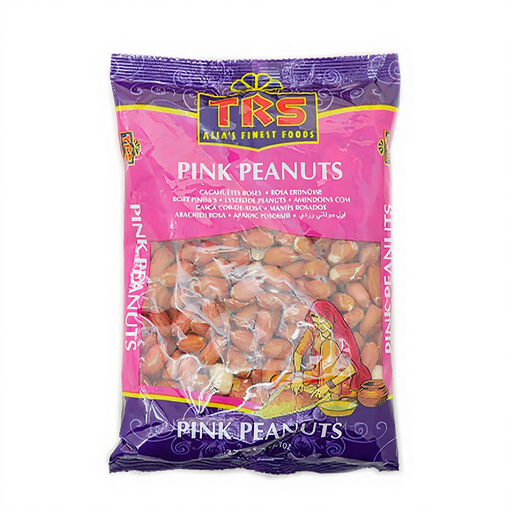 No image available
An option if you’d rather take peanut kernels than cashews and can prepare them before your trip. They’re described as raw, and roasting is recommended for a better flavour. Compare the fat content per 100 g and store any leftovers in an airtight container after opening.
No, you can’t assume this based on the type of nut alone. Compare the fat content per 100 g of specific products, and don’t confuse a lower value than another variety with the product being labelled ‘reduced fat’.
Yes, if you want to avoid added roasting oil and enjoy a roasted flavour. However, the roasting method doesn’t mean the cashews themselves are low in fat. Check the fat, energy and salt content per 100 g as well.
Seal them tightly and protect them from heat, light and moisture as much as possible. For opened shelled or chopped nuts at home, Verbraucherzentrale recommends using a container in the fridge. Don’t eat nuts that are mouldy or smell musty or rancid.
Check the ingredients and any warnings about traces on each specific pack, even if the product is described as plain. The Federal Ministry of Agriculture, Food and Home Affairs explains that certain allergenic ingredients must be listed on food packaging.