For calorie-conscious snacking before or after a short or easy ride, almonds, cashews and peanuts are worth comparing within the nut category – but that doesn’t make them low-calorie. What matters is the calorie content of the specific pack and deciding on a portion in advance. For longer or more intense rides, nuts shouldn’t be your only source of carbohydrates.
Who should consider their options?
Everyday cyclists watching their calorie intake
If you fancy snacking on nuts before or after a short or easy ride, you can compare varieties and portion sizes. EDEKA places cashews, almonds and peanuts at the lower end of the calorie and fat scales within its selection of nuts. At the same time, the German Nutrition Society (DGE) points out that nuts are energy-dense.
Cyclists tackling longer or more intense rides
If you need a reliable source of carbohydrates while riding, choosing a type of nut alone won’t be enough. Research on carbohydrate intake published in sports science journals looks at longer periods of exertion; nuts shouldn’t be your only planned source of fuel.
Shoppers checking ingredients and allergens
If you’re looking for a simple recipe or a specific salt content, check the ingredients list and nutritional information on the individual pack. If you have allergies, it’s also important to check the allergen and possible traces information on the current packaging.
What should you look for when buying?
First, decide whether the nuts are a snack for an easy ride or part of your fuel for a longer period of exertion. Then compare the specific recipe and work out how much you want to take with you.
| What matters |
What to check |
Who it matters to |
| Calories and portion size |
Compare the calories per 100 g and portion out the amount you want in advance. |
I want something crunchy to eat on an easy ride, without finishing the whole bag without thinking. For around 36% of consumers, keeping track of snack portions would be the main concern. |
| Fuel during your ride |
Take the duration and intensity into account; for longer or more intense rides, plan a separate, easy-to-digest source of carbohydrates. |
For a longer ride, I need to take food that means I’m not relying on nuts alone. Around 29% of consumers would put carbohydrate intake during exercise first. |
| Ingredients and allergens |
Check the ingredients list, salt content and allergen information on the specific pack. |
I want to know whether oil or salt has been added to the mix, and which allergens are listed. For around 21% of consumers, these checks would be the main priority. |
| Taking snacks with you |
Check the pack size and, for larger bags, pack a portion separately. |
For a spontaneous short ride, I only want to take the amount I plan to eat on the way. A handy portion to take with them would be the main concern for around 14% of consumers. |
Common mistakes when choosing
-
Confusing ‘lower in calories than other nuts’ with ‘low-calorie’
Being lower in calories than other nuts doesn’t mean that an unlimited portion is low in calories. EDEKA lists GUT&GÜNSTIG Roasted Almonds, Unsalted at 685 kcal per 100 g.
Compare the calories per 100 g, then portion out the amount you actually want to eat.
-
Packing nuts as your only food for a long ride
Carbohydrate intake plays a different role during longer periods of exertion than it does when you’re having a snack on an easy ride. The papers ‘Carbohydrates for training and competition’, published in the Journal of Sports Sciences in 2011, and ‘Performance enhancement by carbohydrate intake during sport’, published in the Nederlands Tijdschrift voor Geneeskunde in 2015, discuss carbohydrates during longer periods of exercise.
For these rides, pack an additional source of carbohydrates that you know you can digest easily, and try out your fuelling plan on a training ride.
-
Assuming all almond recipes are the same
According to EDEKA, GUT&GÜNSTIG Roasted Almonds, Unsalted contain almonds only; the roasted and salted version also contains sunflower oil and salt. The word ‘roasted’ alone doesn’t tell you about these differences.
Check the ingredients, salt content and calories of the version you want to buy, rather than comparing just the front of the pack.
-
Overlooking allergen and traces information
Almonds and other nuts are ingredients that matter to consumers with relevant allergies. Packaging may also include information about possible traces of other allergens.
If you have allergies, check the current labelling on the specific product rather than relying on a general description of the brand.
Useful brands to consider
EDEKA GUT&GÜNSTIG
The two almond varieties from this own-brand range show why ingredients and salt content matter more when comparing products than the word ‘roasted’ on the front of the pack.
- According to EDEKA, the Roasted Almonds, Unsalted contain almonds only; the salt content is listed as 0.02 g per 100 g.
- According to EDEKA, the roasted and salted version contains sunflower oil and salt. Always refer to the information on the individual pack when making your choice.
ALDI SÜD / BACK FAMILY
BACK FAMILY Natural Almonds are one example of a product you can use to compare the nutritional information on almond packs.
- ALDI SÜD lists 611 kcal and 0.01 g of salt per 100 g for the 200 g pack.
- The product page is specific to individual stores, so check the details on the pack available before you buy.
Lidl / Alesto und Belbake
Lidl lists almonds, walnuts and mixed nuts under these own-brand ranges. The variety and recipe of each product determine its calorie content.
- The product ranges listed by Lidl offer different types of nuts to compare.
- Check the calories, ingredients and pack size of the specific product before choosing it for a ride.
Seeberger
Seeberger describes a 200 g pack of blanched almonds for eating as they are. ‘Blanched’ describes how they’re processed, not a lower calorie content.
- According to Seeberger, the blanched almonds contain almonds only; the manufacturer describes them as ready to snack on.
- For a calorie-conscious choice, compare the calories and planned portion of the specific pack.
Nut products on Joybuy
These cashew and almond products could work as portionable snacks before or after a short or easy ride. Check the ingredients of the salted variety, too. None of these products is intended to be your sole source of carbohydrates on a longer or more intense ride.
 No image available
Seeberger Roasted Cashew Nuts, Unsalted, 150 g
For a snack before or after an easy ride, you can portion out some of the 150 g pack. ‘Unsalted’ describes this variety, not its calorie content.
View on Joybuy
 No image available
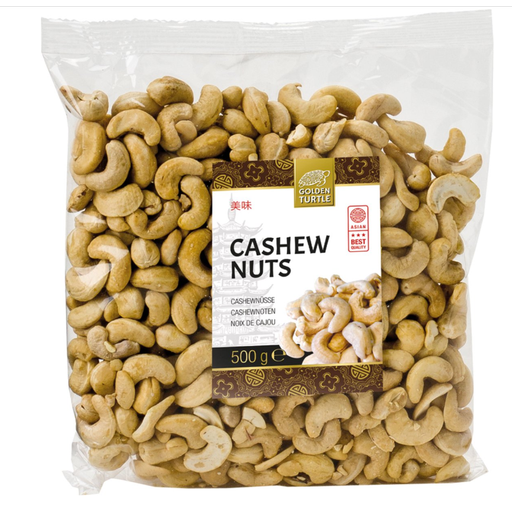
Golden Turtle Cashew Nuts, 500 g
If you want to take cashews from a larger pack on short rides, you can pack the amount you need separately in advance. The pack contains 500 g.
View on Joybuy
 No image available
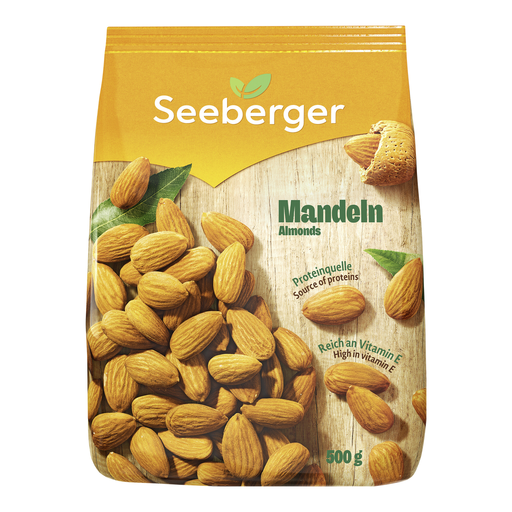
Seeberger Whole Natural Almonds Extra, 500 g
This 500 g pack is for anyone who wants to portion out natural almonds themselves. Natural doesn’t mean low-calorie, so compare the nutritional information with the portion you plan to eat.
View on Joybuy
 No image available
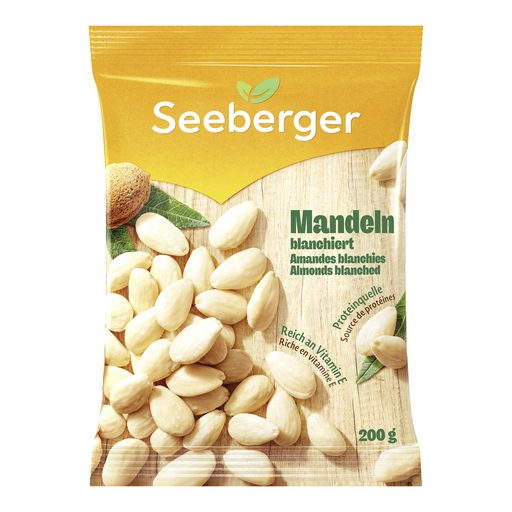
Seeberger Whole Blanched Almonds, 200 g
The 200 g pack is a smaller amount to keep in the cupboard if you prefer blanched almonds. You can pack a portion separately to take on your ride; check the current packaging if ingredients or allergens affect your choice.
View on Joybuy
 No image available
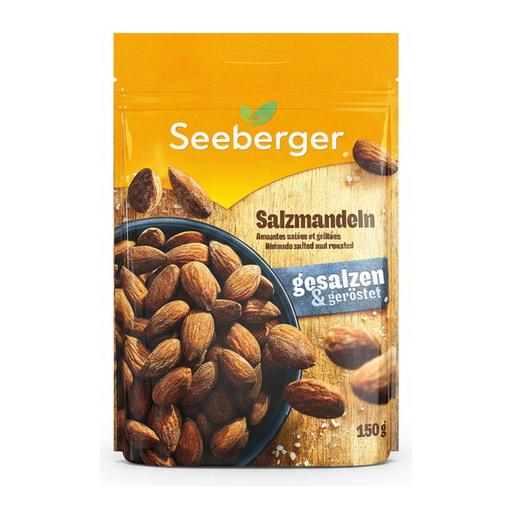
Seeberger Roasted and Salted Almonds, 150 g
This 150 g variety could suit anyone specifically looking for salted almonds. If you want to compare the salt content and other ingredients, check the details on this pack rather than assuming they’re the same as an unsalted variety.
View on Joybuy
Frequently asked questions
Are nuts low in calories when you’re cycling?
No. Even varieties that are relatively lower in energy than others in the nut category are still energy-dense. The German Nutrition Society (DGE) highlights nuts’ high fat and low water content, so compare the calories per 100 g and keep your portion in mind.
Are nuts enough to fuel a long bike ride?
Nuts shouldn’t be your only source of carbohydrates on longer or more intense rides. Sports science papers published in the Journal of Sports Sciences in 2011 and the Nederlands Tijdschrift voor Geneeskunde in 2015 discuss carbohydrate intake during longer periods of exertion. Plan a suitable, easy-to-digest source separately, and test your fuelling plan in training.
How can I spot the differences between nut recipes?
Compare the ingredients lists and nutritional information on the specific packs. In the GUT&GÜNSTIG almond varieties described by EDEKA, the Roasted Almonds, Unsalted contain almonds only, while the roasted and salted variety also contains sunflower oil and salt.
What should I look out for if I have a nut allergy?
Check the allergen labelling and possible traces information on the current pack. The Verbraucherzentrale explains the importance of ingredients and allergen information on packaged foods; a general description of a brand is no substitute for checking the specific product.


