What should you look for when buying?
Start by comparing the ingredients and nutritional information for the specific products. Then choose a snack to suit the length and difficulty of your hike.
| Criteria | What to check when buying | Who it matters to |
|---|
| Added oil and salt |
Compare the ingredients list and fat and salt content per 100 g across the specific products. EDEKA lists 47.1 g of fat and 0 g of salt per 100 g for plain cashews, compared with 50.2 g of fat and 0.8 g of salt per 100 g for oil-roasted, salted cashews. |
I want to pack cashews without added oil, while still keeping their natural fat content in mind. This is likely to be the top consideration when buying for around 40% of consumers. |
| Food and drink for the hike |
For longer or more strenuous hikes, plan for a source of carbohydrates and drinks as well as nuts. The German Alpine Club suggests dried fruit as a snack between meals. |
If my hike is longer or more demanding, I need more than a packet of nuts. Around 40% of consumers would make suitable food and drink for the hike a priority. |
| Ingredients and allergens |
Check the current packaging for ingredients, highlighted allergens and possible traces. If you’re buying in bulk, check the storage instructions too. |
I need to know whether the ingredients and ‘may contain’ information are suitable for me before packing the snack. This would be the most important buying criterion for around 20% of consumers. |
Nut snacks at Joybuy
This selection includes nut and fruit mixes to take on the go, as well as dry-roasted cashews with no added oil. For all products, compare the latest nutritional and ingredient information. This is not a list of nuts proven to be lower in fat.
 No image available
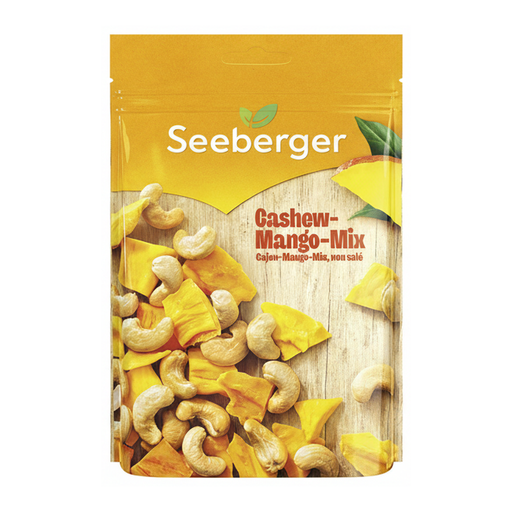
Seeberger Cashew & Mango Mix, 150 g
A nut and fruit mix if you’d like to pair cashews with fruit for a snack on the go. Check the nutritional information rather than assuming it’s low in fat. If you have allergies, pay particular attention to the information about cashews and sulphites.
View at Joybuy
 No image available
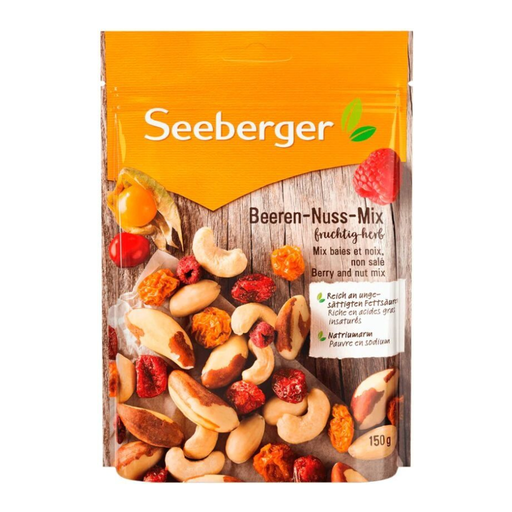
Seeberger Soft Berry & Roasted Nut Mix, 150 g
A berry and nut mix for anyone who wants to take both along as a snack. When comparing products, check the nutritional information and note that some of the berries are sweetened. If you have allergies, check the packaging for information about tree nuts.
View at Joybuy
 No image available
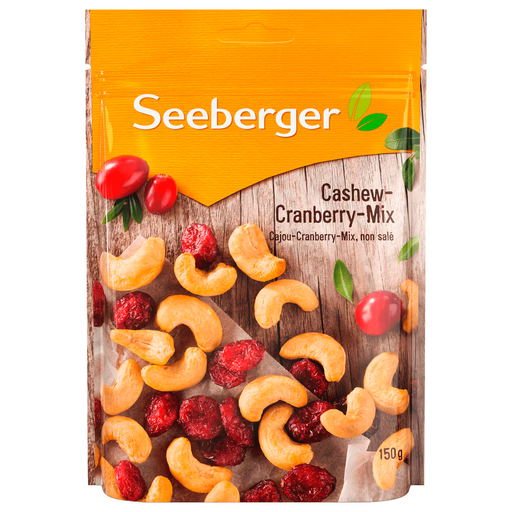
Seeberger Cashew & Cranberry Snack Mix, 150 g
A cashew and cranberry mix if you’d like to pack nuts and fruit together. The cranberry ingredients contain added sugar and sunflower oil, so this mix isn’t suitable if you’re looking for an option with no added oil. Check the allergen and ‘may contain’ information too.
View at Joybuy
 No image available
Seeberger unsalted roasted cashew kernels, 150 g
An option if you’re looking for roasted cashews with no added oil or salt. Dry-roasted doesn’t mean low in fat. For a longer or more strenuous hike, plan separately for a source of carbohydrates and drinks.
View at Joybuy
Frequently asked questions
Are plain cashews low in fat?
No. A simple recipe does not make plain cashews low in fat. For solid foods, the European Commission defines ‘low fat’ as no more than 3 g of fat per 100 g. EDEKA and REWE list 47.1 g and 47 g of fat per 100 g respectively for the plain cashews compared here.
Do plain cashews contain less fat than oil-roasted ones?
For the specific GUT&GÜNSTIG products compared here, yes: EDEKA lists 47.1 g of fat per 100 g for plain cashews and 50.2 g per 100 g for oil-roasted, salted cashews. Compare other recipes using their own nutritional information.
Are nuts enough as the only snack on a longer hike?
For longer or more strenuous hikes, you shouldn’t rely on nuts as your only food. The German Alpine Club highlights the importance of carbohydrates and drinks, and suggests dried fruit as a possible snack between meals.
How should I store leftover nuts after a hike?
Store nuts in a cool, dark place. For opened, shelled or chopped nuts, the consumer advice centre recommends keeping them in a container in the fridge. Don’t eat nuts that are musty, rancid or bitter, or any that show signs of mould or pest damage.


