Protein-conscious snack shoppers
If you plan to have nuts or peanuts as a snack after a workout, on the go or between meals, compare the protein per 100 g and consider it in relation to the portion you’ll actually eat.


When shopping with protein in mind, protein per 100 g is a useful starting point: REWE Bio lists 29.8 g for one of its peanut products, EDEKA lists 21 g for its plain cashew nuts, and Seeberger lists 22 g for its Power Nut Mix. Your choice should also take into account the portion you plan to eat, energy and fat, and the ingredients and nutritional values of sweet or seasoned options. If you have allergies, check the information on the specific pack.
If you plan to have nuts or peanuts as a snack after a workout, on the go or between meals, compare the protein per 100 g and consider it in relation to the portion you’ll actually eat.
If you want to add protein while keeping an eye on portion size, compare energy and fat too. The German Nutrition Society points out that nuts contain plenty of fat and energy, as well as plant-based protein.
If you want to limit salt, sugar or other ingredients, check the details for the specific product. If you have allergies, it’s also important to check the ingredients and precautionary allergen information on the current pack.
First, compare protein per 100 g on the same basis. Then check that the portion, recipe and allergen information suit your needs.
| Criteria | What to check when buying | Who it matters most to |
|---|---|---|
| Protein per 100 g | Compare protein figures on the same basis; for mixed products, check the ingredients too. | If I want my snack to give me a protein boost, I need a clearly stated figure rather than just a product name. Protein content is likely to be the main reason for buying for around 33% of consumers. |
| Energy and portion size | Check energy and fat per 100 g, and take your intended portion into account. | I want to fit nuts into my planned energy intake without overestimating the protein in a smaller portion. This balance is likely to be the main consideration for around 27% of consumers. |
| Ingredients, salt and sugar | Compare the ingredients list, and the sugar and salt per 100 g, for the specific product. | Whether I’m choosing a snack or a topping, I want to know if the nuts come with sweet or seasoned ingredients. A recipe with clear information is likely to be the priority for around 20% of consumers. |
| Allergens and traces | Check the ingredients and precautionary allergen information on the current pack, especially for mixed products. | If I need to avoid certain allergens, I can’t rely on the product name alone. Checking allergen information on the pack is likely to be the main concern for around 20% of consumers. |
Protein and energy should be considered separately: REWE Bio lists 29.8 g of protein, but also 606 kcal and 48.1 g of fat per 100 g for its peanut product.
Compare nutritional values on the same basis, and calculate them for the portion you actually plan to eat.
Lidl and Seeberger offer plain nuts as well as sweet and seasoned options. The type of nut alone doesn’t tell you everything about the recipe.
For each product, check the ingredients list and the sugar and salt figures in the nutritional information.
EDEKA’s cashew nuts and REWE Bio’s peanuts both mention possible traces of other allergens. EDEKA also points out that online information may differ from what’s on the packaging.
Before buying, read the ingredients and allergen information on the current pack. Don’t assume that all products in this selection are suitable for people with allergies.
Seeberger offers nuts, kernels and mixes in plain, salted and sweet varieties. For a protein comparison, check the labelling on each specific product.
REWE sells various nut products under its own ranges. Compare the nutritional values and ingredients of each individual product.
This EDEKA range includes plain cashew nuts, among other products. Always check the information on the specific pack.
ALDI SÜD’s FARMER NATURALS range includes almonds, cashews, walnuts, peanuts and mixed nuts, among other products.
Lidl’s Alesto range includes both plain nuts and seasoned snack options.
This selection includes peanut kernels and almonds in different forms and pack sizes. For the way you plan to use them, compare the nutritional information and check the current pack if you have allergies.
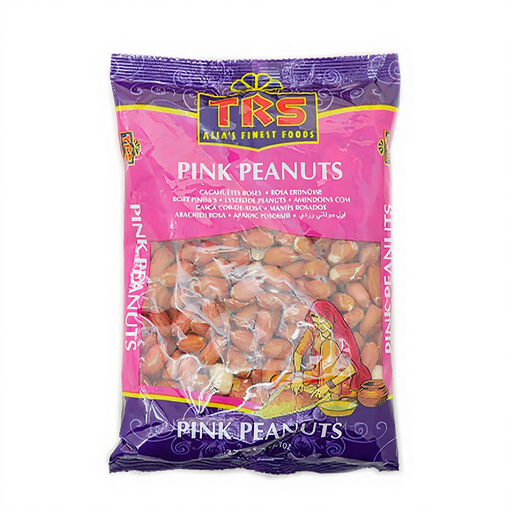 No image available
If you’re looking for peanut kernels for snacks or recipes, compare their protein content with other options.
Pack size: 375 g. Before eating, check the ingredients, nutritional information and allergen details on the pack.
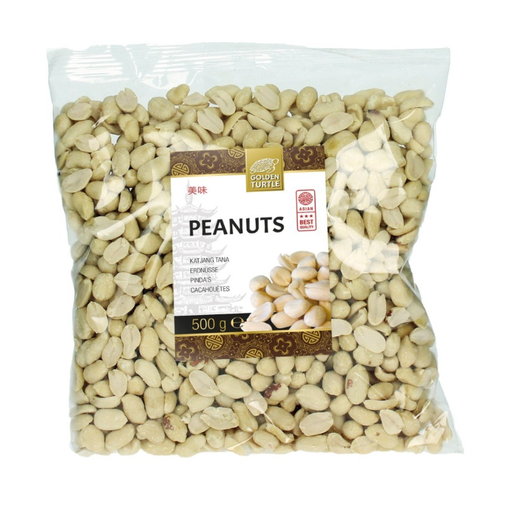 No image available
If you’re planning to have peanuts as a snack, consider the nutritional values for the portion you intend to eat.
Pack size: 500 g. Check the current pack for ingredients, salt and allergen information.
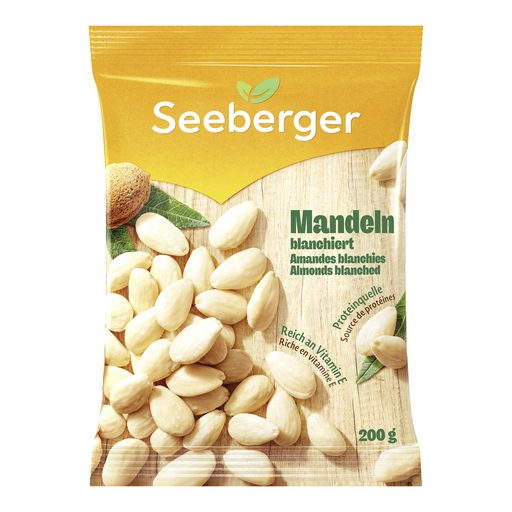 No image available
Whole blanched almonds are an option if you want to enjoy almonds as a snack or use them as an ingredient.
Pack size: 200 g. Compare protein and energy per 100 g, and check the allergen information on the pack.
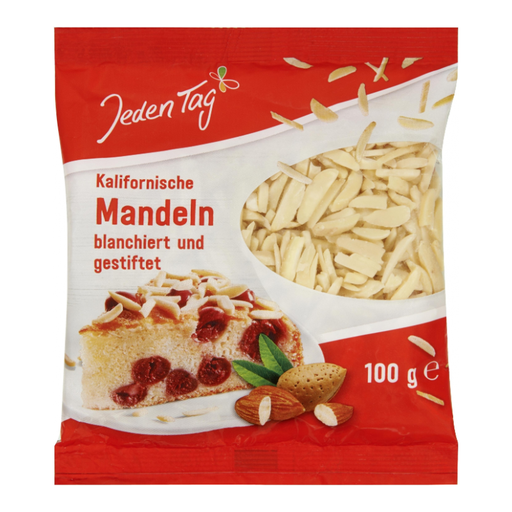 No image available
Flaked almonds are a handy option for toppings or baking when whole almonds aren’t right for your recipe.
Pack size: 100 g. Check the current pack for nutritional values, ingredients and allergen information.
 No image available
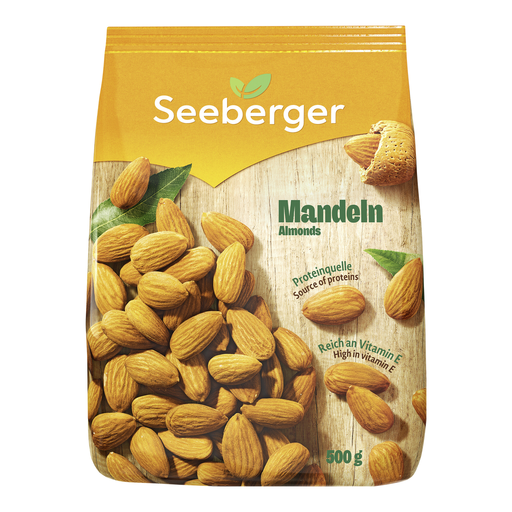
If you prefer whole, plain almonds, compare this option with the blanched almonds using the information on the pack.
Pack size: 500 g. Check the protein, energy and allergen information for each product.
Peanuts can be a good option if their protein content and other nutritional information suit your needs. REWE Bio lists 29.8 g of protein per 100 g for one of its peanut products; this figure doesn’t automatically apply to other peanut products. Compare energy, fat, ingredients and allergens too.
The portion you plan to eat determines how much protein and energy you’ll actually get. The German Nutrition Society describes nuts as high in fat and recommends a small handful a day as a general guide; nutritional values per 100 g are still useful for comparing products.
No. Check the current packaging before you buy. EDEKA specifically points out that online information about its plain cashew nuts may differ from the details on the pack.
Follow the storage instructions on the pack. For its peanut product, REWE Bio recommends storing it in a dry place away from heat and sunlight; Seeberger recommends keeping its Power Nut Mix away from heat and moisture.