Individual packs are handy for lunchboxes and sharing; if you portion snacks yourself at home, a larger bag of nuts may be a better fit. But the format alone doesn’t determine whether a snack suits a high-protein diet. Compare protein per serving and per 100 g, as well as the ingredients, particularly if you’re choosing between plain nuts, nut and fruit mixes, and bars. The German Nutrition Society points out that nuts provide plant-based protein, but are also high in fat and energy.
Who might prefer each format?
People packing lunchboxes or sharing snacks
If several people each need a portion to take with them, individual packs are easy to hand out. Check whether an offer actually contains several single-serve packs: REWE, for example, sells nut-based bars in multipacks, while nut mixes are also available in single bags.
People planning their protein intake
For a useful comparison, check the grams of protein per 100 g and per portion you’ll actually eat. The German Nutrition Society describes nuts and seeds as sources of plant-based protein, while also noting their high fat and energy content.
People who portion snacks themselves
If you prepare lunchboxes at home, you can divide a larger bag between several containers. Seeberger offers different pack sizes depending on the type of nut, but a large bag doesn’t come with ready-portioned servings.
What should you look for when buying?
Plain nuts in a larger bag
A good choice if: You regularly portion snacks yourself for meals or lunchboxes.
The trade-off: You’ll need your own containers for taking them with you and will have to decide how much to pack.
Individual packs
A good choice if: Several people need a snack to take with them, or you want to hand out individual portions.
The trade-off: A multipack may contain nut and fruit mixes or bars rather than plain nuts.
Bars marketed as protein snacks
A good choice if: You’re looking for a ready-to-go bar and its stated protein content per portion fits your plan.
The trade-off: A nut bar may contain other ingredients, and the name alone doesn’t tell you how many grams of protein are in each bar.
| What to consider |
What to check |
Who is it important for? |
| Protein content |
Compare protein per 100 g and per planned portion; also check the energy content per portion. |
If I’m including a snack in my high-protein diet, I want to know how much protein I’ll get from the amount I actually eat. For around 31% of consumers, protein content is the main priority. |
| Portions to take with you |
Check the number and weight of the individual packs, and make sure they’re not just one large bag. |
For lunchboxes or sharing, I need individual portions that I can hand out without repacking. Portion size is the main concern for around 25% of consumers. |
| Ingredients and salt |
Read the ingredients list and check the sugar and salt information for the specific variety; check allergen information if you’re sharing. |
If I want plain nuts rather than a seasoned or sweet mix, I need to be able to identify the exact recipe. Around 25% of consumers focus mainly on these differences. |
| Value pack format |
Check the total weight, best-before date and packaging against how much you use and whether you plan to portion it yourself. |
I prepare snacks myself for several days and want to choose a pack size I’ll use up. This kind of planning is the priority for around 19% of consumers. |
Common mistakes when choosing
-
Assuming “Protein” tells you the amount per portion
A prominent label doesn’t, by itself, tell you how many grams of protein are in each pack. With bars in particular, the figures per 100 g and per bar can differ.
Compare protein and energy per 100 g and per portion in the nutrition information, and check the portion weight too.
-
Treating plain nuts, nut and fruit mixes, and bars as the same thing
These products can differ considerably in their ingredients and packaging. REWE, for example, sells nut-based bars in multipacks, while nut mixes are also available in individual bags.
First decide which type of product you want to take with you or share, then compare the format, ingredients and nutritional values.
-
Buying a large bag without a plan for individual portions
A value bag isn’t a ready-to-pack lunchbox snack. You decide how much goes into each lunchbox when you portion it yourself.
If you regularly need individual portions, make sure you have suitable containers or choose a product with individually wrapped servings.
-
Assuming information for one variety applies to another
Nuts and mixes are available plain, roasted or salted, among other varieties. Ingredients and allergen information can vary between them.
Read the product name, ingredients list, nutrition information and allergen information on the pack you’re actually buying.
Brands to consider for nuts and snacks
Seeberger
According to its own range overview, Seeberger offers plain nuts and seeds in pack sizes that vary by product.
- For some varieties, you can choose between smaller bags and value packs.
- Pack sizes vary by product; you’ll need to divide a value bag yourself to make individual lunchbox portions.
Alesto (Lidl)
Lidl’s Alesto range includes nuts, dried fruit and snacks.
- The range described by Lidl includes both plain and seasoned products.
- For a comparison of protein, sugar and salt, check the label on the specific variety rather than relying on the brand name alone.
TRADER JOE'S (ALDI Nord)
ALDI Nord sells nuts, dried fruit and mixes under the TRADER JOE'S brand. Its range overview also lists a nut and fruit mix in a pack of 5 × 40 g.
- Individual bags and separate packs make it easy to compare formats.
- The products aren’t all plain: ALDI Nord describes one nut mix as roasted and salted.
REWE / REWE Eigenmarken
REWE sells nut mixes and nut-based bars from various brands, as well as its own products.
- REWE’s range pages show both bags of nuts and multipacks of bars, such as packs of 3 × 30 g.
- A multipack or a wide selection doesn’t guarantee a particular protein content; check the individual product.
Products to explore on Joybuy
This selection includes a multipack of bars, walnuts in eight packs, a set of sunflower seeds and two bags of nuts to portion yourself. Sunflower seeds aren’t nuts, and the bags don’t contain separate lunchbox portions.
 Image unavailable
BE-KIND Protein Caramel Nut, 12 × 50 g
This multipack of bars is a handy option if you want individual portions to take with you or share. It contains nut-based bars rather than plain nuts, so check the ingredients and protein content per bar on the specific pack before comparing.
View on Joybuy
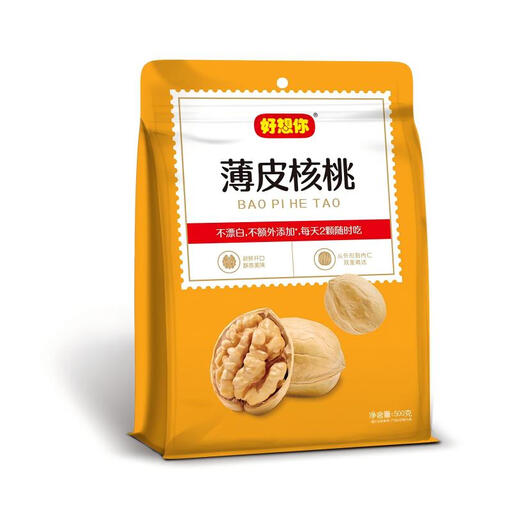 Image unavailable
Haoxiangni thin-shell walnuts, 500 g (8 packs)
The eight packs may be a good option if you want to share the walnuts between several people or over several days. Check the weight of each pack to see if it suits your lunchbox; the walnuts are in their shells and need cracking.
View on Joybuy
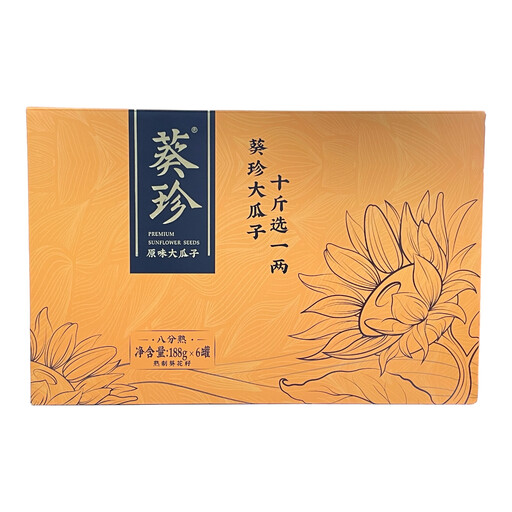 Image unavailable
ChaCha Black Gold Sunflower Seeds Original Flavor, 80% Roasted, gift box, 6 × 188 g
The six tins can be shared separately, but at 188 g each they aren’t designed as small lunchbox portions. These are sunflower seeds, not nuts; check the specific pack to see whether you need to remove the seeds from their shells before eating.
View on Joybuy
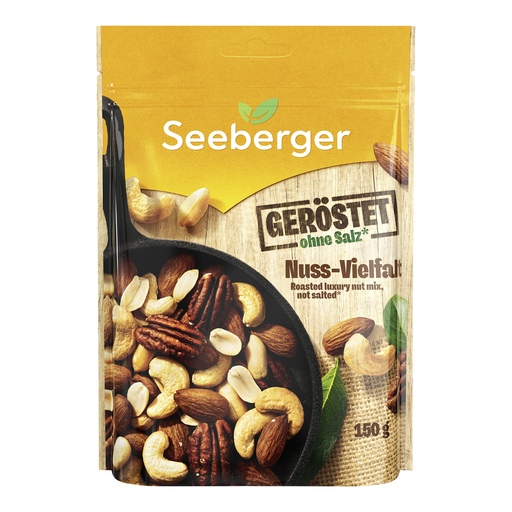 Image unavailable
Seeberger Roasted Nut Selection, 150 g
This single bag is worth considering if you want to portion out a roasted nut mix yourself. It isn’t a multipack, so you’ll need to divide it between lunchboxes and check the ingredients in the specific mix.
View on Joybuy
 Image unavailable
Seeberger whole natural almonds Extra, 500 g
This single 500 g bag is a good fit if you want to prepare your own portions at home. It doesn’t replace ready-packed individual servings: you’ll need to portion the almonds yourself for lunchboxes or sharing.
View on Joybuy
Frequently asked questions
Are nuts automatically a high-protein snack?
No. The type of product alone doesn’t tell you how much protein is in your portion. The German Nutrition Society lists nuts and seeds as sources of plant-based protein, but also notes their high fat and energy content. So compare the nutrition information for the amount you plan to eat.
What does “Protein” on a nut snack tell you about an individual portion?
The label alone doesn’t tell you a reliably comparable amount in grams per bar or bag. Check the protein figure in the nutrition information and whether it’s given per 100 g or per portion.
Are multipacks or large bags of nuts more practical for lunchboxes?
Individual packs make it easier to hand out portions, while a large bag works well if you want to portion it yourself. For multipacks, check the weight and contents of each pack: a set of several packs won’t necessarily contain small portions that are ready to go in a lunchbox.
What allergen information should I check before sharing nut snacks?
Read the ingredients and allergen information on each specific pack before sharing the product. The consumer advice centre highlights ingredients and allergens as important information on food labels; don’t assume that information for a similar variety applies to another one.


