Anyone planning their portion
If you fancy something crunchy after dinner, check the calories per 100 g alongside the amount you actually plan to eat. A per-portion figure is only directly comparable if the portion sizes are the same.


Nuts aren’t a low-calorie snack in the strictest sense. EDEKA places cashews, almonds and peanuts towards the lower end of the calorie and fat scale compared with other nuts, but when choosing a specific product, you should also consider portion size, nutritional information and ingredients. If you’re looking for a simple option, check out plain or unsalted nuts, and pay extra attention to the salt, oil and sugar content of seasoned mixes.
If you fancy something crunchy after dinner, check the calories per 100 g alongside the amount you actually plan to eat. A per-portion figure is only directly comparable if the portion sizes are the same.
With roasted, salted or seasoned nuts, it’s worth checking the ingredients and salt content as well as the flavour. This helps you distinguish plain nuts from a mix containing additional ingredients.
The ingredients and allergen information on the specific pack are what matter. Even when one type of nut is the main ingredient, warnings about possible cross-contamination may also be relevant.
For a late-night snack, first check how much you plan to eat and the nutritional information, then look at the ingredients. If you need to avoid allergens, the labelling on the specific pack takes priority.
| Criteria | What to check | Who it matters to |
|---|---|---|
| Calories per portion | Compare the calories per 100 g and work them out for the amount you plan to eat. Check the size of any stated portion. | If I want to eat nuts later in the evening, I want to be able to set aside a portion and understand its calorie content. Around 50% of consumers put this kind of portion planning first. |
| Ingredients and salt | For seasoned or mixed products, read the ingredients list and check the salt content. Look out for oil and sugar, too. | I want a savoury snack, but I don’t want to overlook additional ingredients. Around 30% of consumers put comparing ingredients first. |
| Allergens | Check which allergens are highlighted in the ingredients list and, where relevant, look for warnings about possible traces. | If I need to avoid certain allergens, the pack’s labelling determines whether the product is suitable for me. For around 20% of consumers, checking this is their main concern. |
EDEKA’s relative comparison of different nuts doesn’t tell you how many calories are in your portion. REWE lists its roasted, unsalted ja! cashews at 606 kcal per 100 g and 182 kcal per 30 g.
Use the type of nut as a starting point, then decide how much you want to eat based on the information on the pack.
A mix can contain more than just nuts. REWE’s spicy almond, cashew and edamame mix, for example, includes sunflower oil, salt, maltodextrin and sugar.
Compare the ingredients and nutritional information for the specific mix with those for a plain nut option.
The product name doesn’t include every detail you need to make a choice. According to the German Food Federation, allergens that must be declared are listed in the ingredients; the pack may also carry warnings about possible traces.
If you have an allergy, read the labelling on the specific pack rather than relying on the type of nut or a product photo.
If you plan to eat nuts over several evenings, storage is part of your buying decision. The Verbraucherzentrale recommends storing opened packs of shelled or chopped nuts in a container in the fridge.
Once you’ve opened the pack, make sure you have a suitable container and space in the fridge.
Seeberger offers roasted and salted cashews, among other options, if you’re specifically looking for a salty snack.
Roasted, unsalted ja! cashews give you a specific reference point when planning your portion.
If you prefer a simple product, look for plain cashews from Lidl’s Alesto range.
ALDI SÜD lists plain almonds and cashew kernels under FARMER NATURALS, giving you options to compare individual types of nuts.
EDEKA’s comparison of different types of nuts can help you get your bearings before choosing a specific product.
These products include cashews, almonds and peanuts, so you can compare plain nut options for a late-night snack. Choose your portion based on the nutritional information on the relevant pack, and check its ingredients, allergen information and, where applicable, preparation instructions before eating.
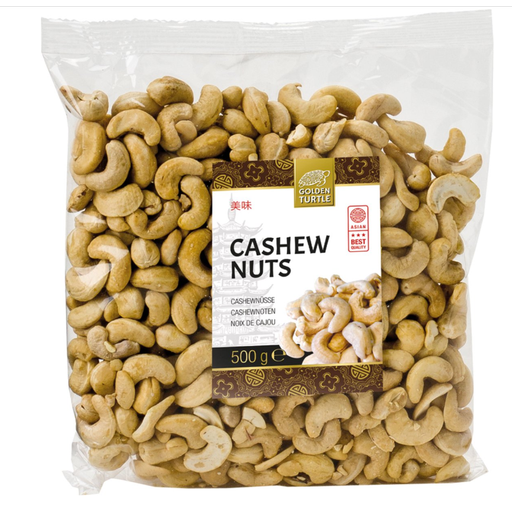 No image available
Cashew kernels for a portion you can measure out yourself for a late-night snack; the pack contains 500 g.
Check the nutritional information for your planned portion, along with the pack’s guidance on eating the product.
 No image available
Whole, plain almonds if you’d rather choose one type of nut than a mix for your snack; the pack contains 500 g.
Measure out the amount you want and compare it with the nutritional information on the specific pack.
 No image available
Roasted, unsalted cashew kernels if you want a toasted flavour without choosing a salted option; the pack contains 150 g.
Unsalted doesn’t tell you how many calories are in your portion. Check the nutritional information on the pack.
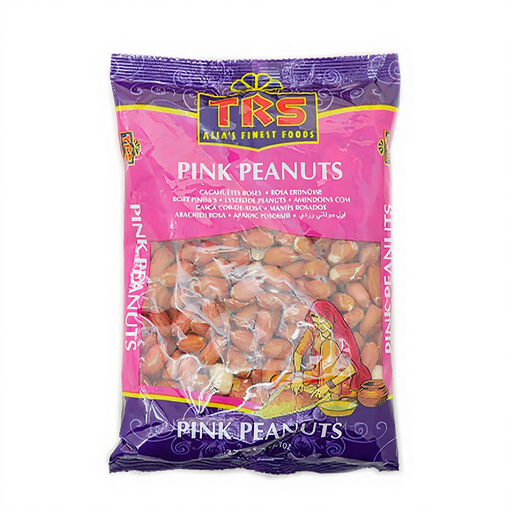 No image available
Peanuts as a single-nut option for your snack; the pack contains 375 g.
Before buying, check the preparation instructions if you want to eat the kernels without preparing them first. This product isn’t suitable if you have a peanut allergy.
No. The fact that some types of nuts rank relatively lower doesn’t make them a low-calorie snack. EDEKA places cashews, almonds and peanuts towards the lower end of its relative calorie and fat comparison. For your snack, the calorie content of the specific product and the amount you eat also matter.
Read the ingredients list on the specific pack. REWE lists cashew kernels as the sole ingredient in its roasted, unsalted ja! cashews. A spicy almond, cashew and edamame mix, on the other hand, also contains sunflower oil, salt, maltodextrin and sugar. A short ingredients list doesn’t tell you everything about the product’s overall nutritional profile.
Check the ingredients list and any warnings about possible traces on the specific pack. According to the German Food Federation, allergens that must be declared are listed in the ingredients. A warning about possible traces indicates that accidental presence is possible; it doesn’t mean that traces are definitely present.
The Verbraucherzentrale recommends storing opened packs of shelled or chopped nuts in a container in the fridge. Also check the pack for any product-specific storage instructions.