If lower fat is your main priority when choosing nuts for a holiday lunchbox, compare the fat content per 100 g and check what any fat-reduction claim is based on. Unsalted nuts with no sweetening ingredients are a different choice: they may suit a lunchbox with a simple ingredient list, but that does not automatically make them reduced-fat. Whole nuts and almonds should not go in a toddler’s lunchbox.
Who this choice matters to
Families with older children
If you’re looking for nuts for a lunchbox, you can choose between plain and seasoned varieties. The German Nutrition Society refers to unsalted nuts or oilseeds without sugar or other sweetening ingredients in the context of school meals. Before packing them, check for any known allergies and the rules at your child’s setting.
Families specifically looking for less fat
A smaller pack or an unsalted mix does not answer the question of whether the product has less fat. What matters is the fat content per 100 g and the basis for comparison given alongside any such claim on the specific pack.
People caring for toddlers
For them, how the nuts are served matters more than the brand. The Federal Centre for Nutrition warns against keeping whole nuts and almonds within reach of toddlers. Only age-appropriate forms should be considered for their meals.
What to look for when buying
First decide whether you’re looking for a substantiated fat-reduction claim or an unsalted variety with a simple ingredient list. Then check that the form and labelling are suitable for the child and the specific care setting.
| Criterion |
What to check when buying |
Who it matters most to |
| Substantiated fat reduction |
Check the fat content per 100 g and the basis for comparison given alongside any fat-reduction claim on the pack. |
If I specifically want less fat, the word “light” isn’t enough for me to compare products. Around 42% of consumers would make a substantiated fat-reduction claim their main buying criterion. |
| Simple ingredients |
Read the ingredients list and the information on salt and sweetening ingredients; compare each variety within a brand individually. |
If I want a lunchbox ingredient without added seasoning, I’ll look specifically for an unsalted variety. For around 33% of consumers, this would be their top priority. |
| Lunchbox and age |
Check the pack size, allergen labelling and form; don’t pack whole nuts or almonds for toddlers. |
If I’m packing for an outing or holiday childcare, the form needs to suit the child’s age and any known allergies. This would be the main requirement for around 25% of consumers. |
Common selection mistakes
-
Assuming “natural” means “reduced-fat”
A nut mix can contain no added salt and still contain the fat naturally present in nuts. The ingredients alone do not substantiate a fat-reduction claim.
If less fat is the deciding factor, compare the nutrition information per 100 g and the basis for comparison given alongside any fat-reduction claim. According to the Federal Ministry of Agriculture, Food and Regional Identity, nutrition claims must meet the relevant requirements.
-
Mistaking roasted, salted peanuts for a plain option
The REWE and EDEKA peanut products described here list sunflower oil and salt in their ingredients. This sets them apart from varieties that list nuts as the only ingredient.
Read the ingredients list and salt information on the pack you choose if you’re looking for an unsalted lunchbox ingredient.
-
Packing whole nuts for toddlers
Whole nuts and almonds pose a choking risk for toddlers, as explained by the Federal Centre for Nutrition.
For toddlers, choose an age-appropriate chopped, ground or puréed form, and also check for any possible allergies.
Brands to consider
Seeberger
Seeberger offers, among other products, nut mixes that are useful for comparing plain and seasoned varieties.
- Seeberger describes its nut mix as unroasted and free from added salt or seasoning.
- These qualities do not substantiate a fat-reduction claim; check the ingredients and nutrition information for each variety separately.
Alesto
Lidl’s Alesto range includes both natural nuts and seasoned snacks.
- This means you can choose from products with different ingredient profiles.
- Check the individual product to see whether a particular pack is unsalted or makes a fat-reduction claim.
TRADER JOE'S
ALDI Nord’s TRADER JOE'S range includes individual nut varieties, mixes and nut-and-fruit products.
- You can take the mix and pack size into account when choosing.
- A nut-and-fruit mix is not the same as a plain nut mix; check the ingredients and nutrition information on the specific pack.
ja!
The roasted and salted ja! peanuts described by REWE provide a point of comparison with unsalted varieties.
- The product information lists peanuts, sunflower oil and salt, making the ingredients clear.
- This peanut variety is not a plain, unsalted alternative.
GUT&GÜNSTIG
EDEKA’s tin of roasted and salted GUT&GÜNSTIG peanuts is described as a product for comparison.
- The ingredients listed are peanuts, sunflower oil and salt.
- If you’re looking for unsalted nuts, don’t mistake this particular variety for a plain nut mix.
Nut products and chestnuts at Joybuy
This selection includes nuts and chestnut kernels for an on-the-go snack. Chestnuts are not the same as the nut kernels listed here. If you’re specifically looking for reduced-fat products, always check the nutrition information and basis for comparison on the specific pack; for holiday childcare, also check the rules at the setting.
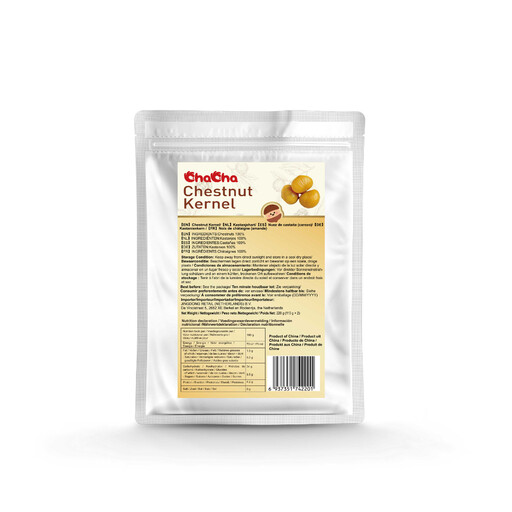 Image unavailable
ChaCha chestnut kernels, 220 g
An option if you’re specifically looking for chestnuts rather than a mix of nut kernels to take with you.
Compare the fat content per 100 g and check the allergen labelling before packing.
View at Joybuy
 Image unavailable
Seeberger roasted unsalted cashew nuts, 150 g
This roasted variety is an option if you want cashew nuts with no added salt in your lunchbox.
Unsalted does not mean reduced-fat. Check the nutrition information, and don’t pack whole kernels for toddlers.
View at Joybuy
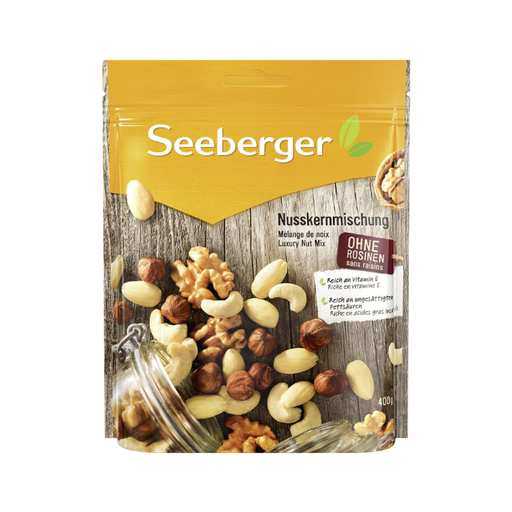 Image unavailable
Seeberger Premium nut mix without raisins, 400 g
If you’d like to pack a selection of nut kernels rather than a nut-and-fruit mix, this raisin-free variety could be a good choice.
Check which types of nuts are included, for possible allergens and for the nutrition information on the pack. Whole nut kernels are not suitable for toddlers.
View at Joybuy
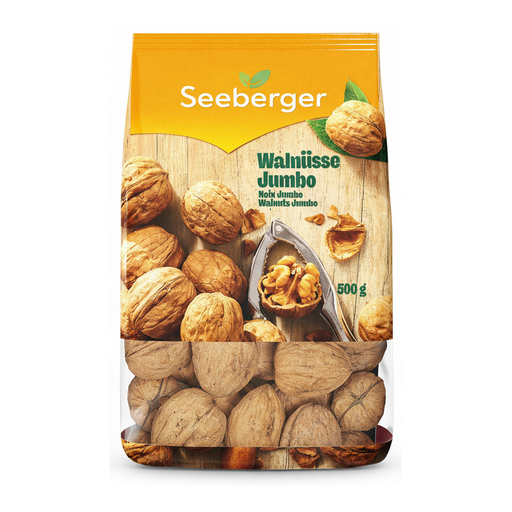 Image unavailable
Seeberger California Jumbo walnut kernels, 500 g
If you’d prefer walnuts rather than a mix in your lunchbox, you could consider this single-nut variety.
Choosing a particular variety does not substantiate a fat-reduction claim. Check the allergen labelling, and don’t choose whole nut kernels for toddlers.
View at Joybuy
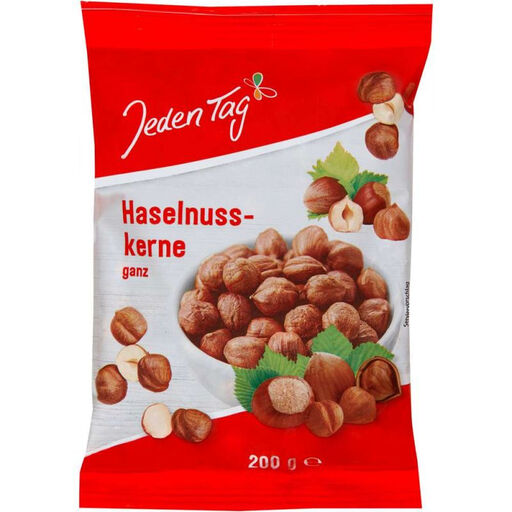 Image unavailable
Jeden Tag whole natural hazelnut kernels, 200 g
If you’re looking for whole hazelnut kernels rather than a mix, you can assess this variety by checking the ingredients and nutrition information.
“Natural” does not mean reduced-fat. Because of the choking risk, whole hazelnuts should not go in a toddler’s lunchbox.
View at Joybuy
Frequently asked questions
Are whole nuts suitable for every child’s lunchbox?
No. Whole nuts and almonds should not be within reach of toddlers because of the choking risk, as explained by the Federal Centre for Nutrition. Choose an age-appropriate form for this age group and take any known allergies into account.
How can I identify a substantiated fat-reduction claim on nuts?
Check the claim on the specific pack, the fat content per 100 g and the product used for comparison. An impression of “light” or a smaller portion does not, by itself, substantiate a fat-reduction claim. According to the Federal Ministry of Agriculture, Food and Regional Identity, nutrition claims must meet set requirements.
Do I need to check the allergens on each pack of nuts?
Yes. The labelling on the specific pack is what matters, particularly if you have a known allergy. The Verbraucherzentrale explains food labelling; for example, the peanut products described by REWE and EDEKA list peanuts and possible traces of tree nuts.


