Calorie-conscious late-night snackers
If you fancy something crunchy in the evening and want to keep an eye on how much you eat, compare the energy values per 100 g on the specific packs and measure out your portion beforehand.


To enjoy a measured midnight snack, compare plain nuts by their energy value per 100 g. Among four products listed by EDEKA, cashews come in at 603 kcal, ahead of pistachios, hazelnuts and walnuts. This isn’t a definitive ranking of all nuts. What matters is the specific recipe and measuring out your portion before you eat.
If you fancy something crunchy in the evening and want to keep an eye on how much you eat, compare the energy values per 100 g on the specific packs and measure out your portion beforehand.
If you want to distinguish plain nuts from salted, seasoned or sweetened varieties, check the ingredients list and nutritional information for the specific recipe. These tell you more than the name of the nut.
If peanuts, tree nuts or other allergens are a deal-breaker for you, check the specific pack, including the ingredients list and any ‘may contain’ warnings. Your individual medical advice takes priority over choosing by energy value.
First decide what matters most to you: portion size, ingredients or checking for allergens. Then compare nutritional information only when it uses the same basis.
| Criteria | What to check | Who it matters most to |
|---|---|---|
| Energy and portion size | Compare the energy value per 100 g and measure out a portion before eating. | If I want to eat nuts late at night, I want to decide how much before reaching for the pack. Around 42% of consumers put energy and portion control first when making this choice. |
| Ingredients | Check the ingredients list, and the sugar and salt per 100 g. Don’t assume plain nuts are the same as snack mixes. | For me, the first thing to check is whether the pack contains plain nuts or a seasoned or sweetened variety. Ingredients are the main selection criterion for around 33% of consumers. |
| Allergens | Check the specific pack for highlighted allergens and any ‘may contain’ warnings. | If certain allergens are relevant to me, I need to check whether the specific pack is suitable before comparing energy values. Around 25% of consumers put allergen checks first when making this choice. |
Energy values can vary even between plain nuts: EDEKA lists 603 kcal per 100 g for the cashews compared here and 737 kcal per 100 g for walnut kernels. These figures apply to those products, not to every pack of that type of nut.
Compare energy values on the same 100 g basis and measure out your planned snack portion beforehand.
Alongside plain nuts, Lidl and Seeberger also sell seasoned, salted and sweetened varieties. The name of the nut alone won’t tell you what else is in the pack.
Read the ingredients list and compare sugar and salt per 100 g in products with similar recipes.
Choosing by portion size or energy value won’t tell you whether a product is suitable for someone with a particular allergy. ‘May contain’ warnings can also be important.
Check the current packaging and, if you have a diagnosed allergy, follow your individual medical advice.
For the products featured here, EDEKA notes that information on its website may differ from the packaging.
Check the pack for the specific variety you’ve chosen, particularly for ingredients, allergens and nutritional information.
A brand’s plain nuts and snack varieties can have very different recipes. Choose the type of product first, then check the individual pack.
Lidl’s Alesto range includes both plain nuts and seasoned party snacks.
ALDI SÜD sells both individual types of nuts and snack varieties under these names.
This own-brand range is worth considering if certified organic farming matters to you alongside nutritional values.
EDEKA sells individual nut and kernel products whose nutritional values can be compared product by product.
Seeberger’s range of nuts and kernels includes plain, sweetened, salted and roasted products.
This selection includes pine nuts, cashews, peanuts, almonds and salted pistachios. The recipes to check will therefore vary, too. Whatever the pack size, measure out the portion you want.
 No image available
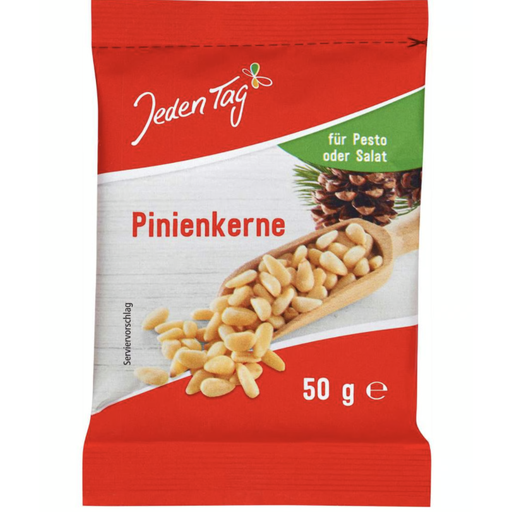
If you’re considering pine nuts for a small snack, you can compare the 50 g pack with the portion you have in mind. Before buying, check the nutritional information, ingredients and allergen warnings on the pack.
 No image available
This variety is a good option if you’re looking for roasted cashews with no added salt. The pack contains 150 g. Measure out a portion for a late-night snack, and don’t assume its energy value matches that of EDEKA’s plain product.
 No image available
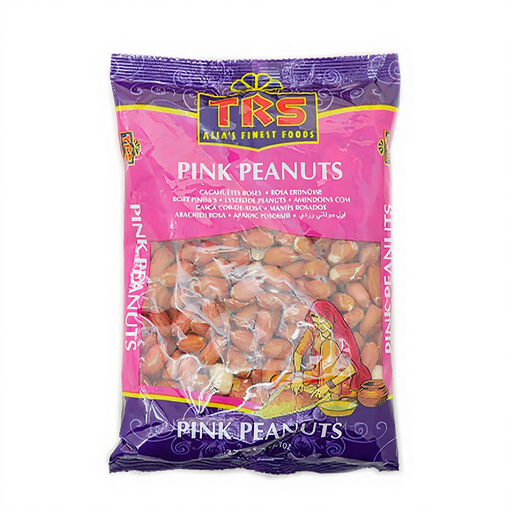
If you’re considering peanut kernels rather than tree nuts, check the ingredients and nutritional information for this variety separately. The 375 g pack isn’t a pre-portioned snack, and this product isn’t suitable if you have a peanut allergy.
 No image available
Whole almonds are an option if you want to measure out your own snack portion. The 500 g pack isn’t divided into individual snack portions, so check the ingredients and allergen warnings before buying, too.
 No image available
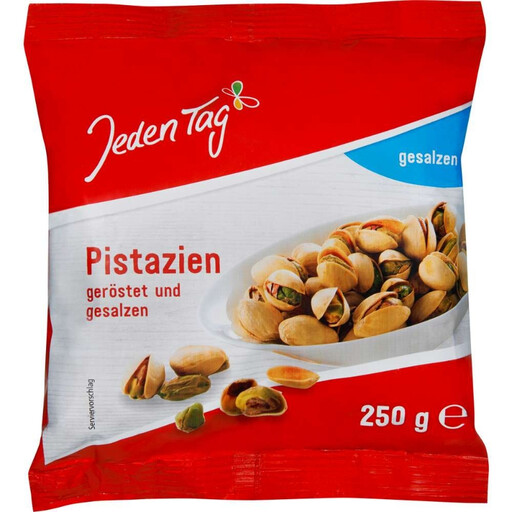
These pistachios are an option if you want a roasted, salted variety. Bear in mind that the recipe is different and the nuts are in their shells; the pack contains 250 g.
Not across the board. Among the four EDEKA products considered, values range from 603 kcal per 100 g for cashew kernels to 737 kcal per 100 g for walnut kernels. Compare the specific pack on the same basis and decide on your portion before eating.
No. At 603 kcal per 100 g, EDEKA Herzstücke cashew kernels have the lowest listed value among the four EDEKA products considered. Check the nutritional information again for cashews from other brands or prepared in a different way.
If you want to limit additional ingredients, start with the ingredients list for the specific variety. Then compare energy, sugar and salt per 100 g. Plain nuts and seasoned snack products don’t necessarily have the same recipe.
Check the highlighted allergens in the ingredients list and look out for any ‘may contain’ warnings on the current packaging. If you have a diagnosed allergy, choosing by energy value is no substitute for following your individual medical advice.
The Consumer Advice Centre of Rhineland-Palatinate recommends storing shelled walnuts in an airtight container in the fridge or freezer. Throw away any nuts with visible mould.