Nuts are not a low-calorie food group. If you want to snack on them during a night shift while keeping an eye on your calorie intake, compare the nutritional information on the specific packs and set aside a portion in advance. Plain nuts and sweet-and-salty mixes also differ in their ingredients, sugar and salt content.
Who is this choice relevant to?
People planning their shift snacks
You want something crunchy to eat during a long night shift and prefer to decide on the amount in advance. Comparing the energy per 100 g and, where available, per portion is more helpful than looking at pack size alone.
People comparing ingredients, sugar or salt
You want to choose between plain nuts and sweet or seasoned varieties. The ingredients list and the sugar and salt information on each pack give you specific figures to compare.
People shopping for several shifts
You compare pack sizes and unit prices, but don’t want to eat straight from an open multi-pack every time. The availability of a particular product may vary by retailer, region and range.
What should you look for when buying?
Start by comparing the energy per 100 g and decide how much you want to take with you for a shift. Then use the ingredients list, other nutritional values and pack size to help you choose between specific products.
| Criteria |
What to check |
Who it matters to |
| Energy and portion size |
Compare the energy per 100 g and set aside an amount for your shift; a portion size shown on the pack can make planning easier. |
I want to snack without losing track of how much I’m eating from an open pack. Portion planning would be the priority for around 36% of consumers. |
| Sugar, salt and ingredients |
Check the ingredients list and the sugar and salt per 100 g, especially for seasoned or sweet-and-salty mixes. |
I want to know whether my shift snack contains ingredients such as sugar or salt as well as nuts. Around 29% of consumers would put this question about ingredients first. |
| Type and nutritional values |
Compare the protein, fibre and energy per 100 g for the specific type of nut or mix. |
The type of nut and its nutritional profile matter more to me than the lowest energy figure alone, although I still want to limit my portion. This would be the main consideration for around 21% of consumers. |
| Stocking up and availability |
Compare the unit price and pack size, and check availability for in-store or promotional products. |
I’m shopping for several night shifts and want to choose packs that are easy to portion out. For around 14% of consumers, buying in bulk would be the most important factor. |
Which purchasing decisions deserve a closer look?
-
Assuming all nuts are low in calories
Even with a variety that contains less energy than others, the amount you eat matters: REWE lists 180 kcal per 30 g for its plain ja! cashew kernels. This portion figure applies to this specific product only.
Compare the energy figures per 100 g on the packs and set aside the amount you want for your shift in advance.
-
Treating sweet-and-salty mixes like plain nuts
REWE’s Seeberger Sweet & Salty Cashews & Gebrannte Mandeln mix includes, among other things, sugar-coated almonds and salted cashews. The ingredients in this kind of mix are not the same as those in plain nuts.
Before buying, compare the ingredients list and the sugar and salt per 100 g with the plain alternative you’re considering.
-
Choosing a large pack on unit price alone
The unit price makes it easier to compare costs, but it doesn’t tell you how much you’ll eat from an opened pack during a shift.
Consider pack size and unit price separately from your planned shift portion, and divide a larger pack into portions if needed.
-
Relying on the product type alone for allergen information
The ingredients and potential traces that matter depend on the specific product; a brand or variety name is no substitute for the information on the pack.
If you have an allergy, check the current ingredients list and any warnings about potential traces before buying.
Brands and ranges to help you choose
Seeberger
The range includes plain nuts as well as roasted, salted and sweet-and-salty varieties.
- Seeberger lets you compare individual types of nuts with mixed varieties.
- Check the ingredients and nutritional values for each variety separately; for example, the Sweet-&-Salty mix contains sugar-coated nuts.
Alesto (Lidl)
Lidl’s Alesto range includes both plain nuts and more heavily seasoned snack varieties.
- Plain cashews and almonds are part of the range described by Lidl.
- The brand name alone doesn’t tell you the ingredients or nutritional values of a particular variety.
REWE / ja!
One useful point of comparison is the plain ja! cashew kernels, with nutritional information per 100 g and per 30 g.
- REWE lists 601 kcal per 100 g and 180 kcal per 30 g for this product.
- These figures don’t apply to other nuts or mixes from REWE and ja!.
ALDI Nord / TRADER JOE'S und ALDI SÜD / FARMER NATURALS
ALDI Nord lists plain TRADER JOE'S almonds, while ALDI SÜD sells a variety of nuts and mixes under FARMER NATURALS.
- Different types of nuts and mixes offer a range of ingredients and pack sizes to compare.
- ALDI Nord and ALDI SÜD have different ranges, so check which variety is actually available before shopping.
Nuts for pre-portioned shift snacks
This selection includes cashews, almonds and salted pistachios in a range of pack sizes. You can set aside the amount you want for your night shift in advance; compare the energy, ingredients and salt content using the information on the specific pack.
 No image available
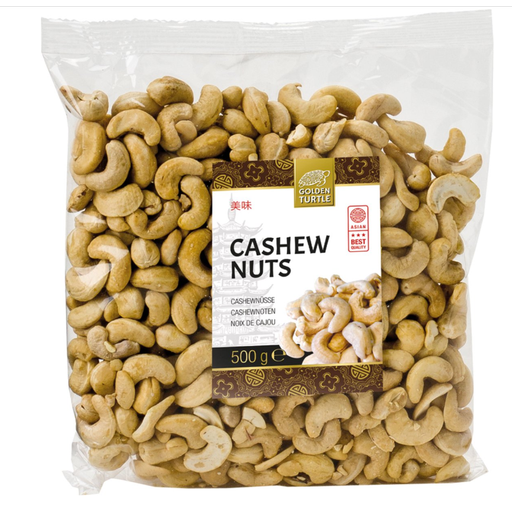
Golden Turtle Cashew Kernels, 500 g
If you fancy cashews for a night-shift snack, you can set aside a portion from the 500 g pack in advance. Compare the energy information on the pack with other varieties rather than assuming cashews are low in calories.
View on Joybuy
 No image available
Seeberger Whole Natural Almonds Extra, 500 g
These whole almonds are worth considering if you’re looking for a 500 g pack to divide into portions for several shifts. Check the nutritional values per 100 g and, if you have allergies, the current information on the pack.
View on Joybuy
 No image available
Seeberger Unsalted Roasted Cashew Kernels, 150 g
The 150 g pack is a good option if you want to compare roasted cashews with a larger pack for stocking up. If you’re choosing based on salt content, check the nutritional information on the current pack; you’ll still need to set aside your own portion for your shift.
View on Joybuy
 No image available
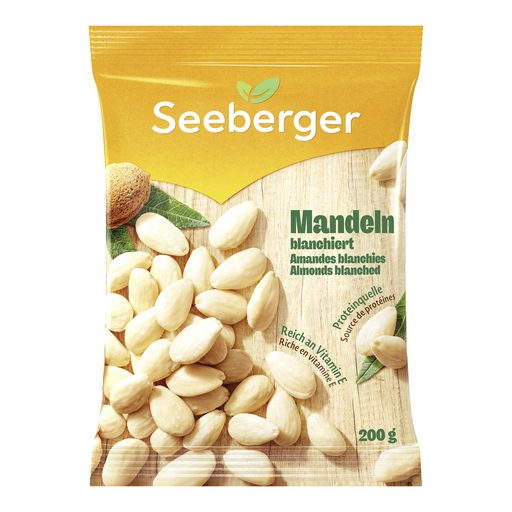
Seeberger Blanched Whole Almonds, 200 g
These blanched almonds come in a 200 g pack, making them an option if you’re looking for something smaller than 500 g. Decide whether you’d like them as a shift snack, and check the energy information and ingredients on the current pack.
View on Joybuy
 No image available
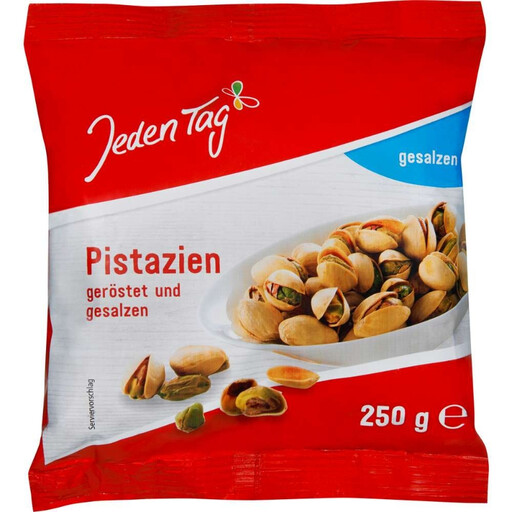
Jeden Tag Roasted and Salted Pistachios in Shells, 250 g
These pistachios are an option if you specifically want a roasted, salted variety. To compare them with unsalted nuts, pay particular attention to the salt per 100 g as well as the portion you set aside.
View on Joybuy
Frequently asked questions
Are nuts a low-calorie snack for the night shift?
No. Nuts are not a low-calorie food group. In its comparison of different varieties, REWE lists 564 kcal per 100 g for peanuts and 703 kcal per 100 g for macadamias, for example. The pack you choose and the portion you eat determine your actual energy intake.
Which varieties should I look at first when comparing calories?
Cashews, almonds and peanuts are useful starting points for comparing the varieties on your shopping list: EDEKA places them towards the lower end of its calorie and fat scale. This doesn’t mean the same applies to every pack; the processing and nutritional values of the specific product still matter.
How should I store nuts for several night shifts?
First, follow the storage instructions on the relevant pack. REWE recommends storing nuts in a cool, dark and dry place in general; you should also look out for any unusual smell or taste.
What should I check before buying if I have an allergy?
Check the current ingredients list and any warnings about potential traces on every specific nut product. Neither the variety nor the brand name alone tells you about all the ingredients and allergens that may be relevant to you.


